Daily Vacuum vs Weekly Deep Clean: The Ultimate Guide
Figuring out how to use a vacuum for quick daily cleaning versus weekly deep cleaning often feels like guesswork. Most people either over-clean, wasting time and battery life, or under-clean, letting grit destroy carpet fibers. The difference isn't just frequency; it's about matching the tool's power to the specific type of soil you're removing.
We've seen aggregate reviews confirm that treating every session identically is inefficient. A five-minute sweep handles surface dust, while a thirty-minute reset tackles embedded allergens. Per ASTM F1978 testing standards, cleaning path efficiency varies wildly based on agitation levels.
Here is how we break down the workflow so you stop guessing and start cleaning smarter.
Image source: Bing (Web (fair-use with source credit))
Stop Guessing: Match Your Vacuum Routine to the Mess Level
Most homeowners fall into the trap of using one setting for everything. That’s a mistake. You need to assess the soil load before you plug in.
If you see visible crumbs or pet hair, that’s surface debris. It requires speed and maneuverability. If the carpet looks flat or smells musty, that’s embedded soil.
It needs agitation and suction depth.
Think of your vacuum as having two gears: "Sprint" and "Marathon." Sprint mode is for high-traffic zones where dirt sits on top. Marathon mode is for low-traffic areas where dirt sinks in. We recommend checking your entryways and hallways first.
These spots accumulate grit fastest. If they feel gritty underfoot, you’re dealing with abrasives that cut fibers.
For daily tasks, skip the heavy attachments. Use the main head only. For weekly cleans, bring out the crevice tools and upholstery brushes.
This distinction saves time. You aren’t trying to sanitize the whole house every night. You’re managing accumulation.
As of 2026, smart vacuums auto-adjust suction, but manual awareness still beats algorithms for targeted problem-solving. Decide your goal: maintenance or restoration? Then pick your gear.
The Daily 10-Minute Sweep: Handling Surface Debris Without Burnout
Quick daily cleaning is about friction reduction. You want to grab the machine, clear the obvious mess, and put it away. Don’t set up complex workflows here.
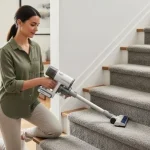
Keep your lightweight stick vacuum or cordless unit charged and accessible. If it’s hidden in a closet, you won’t use it. Place it near the highest-traffic zone, usually the kitchen or living room entrance.
Focus strictly on visible debris. Pick up toys, shoes, and large crumbs first. This prevents jams during your rapid pass.
Run the vacuum over hard floors and rugs in straight lines. Overlap each stroke by about 50% to ensure coverage. But don’t obsess over perfection.
The goal is removal, not polishing. Spend no more than ten minutes total.
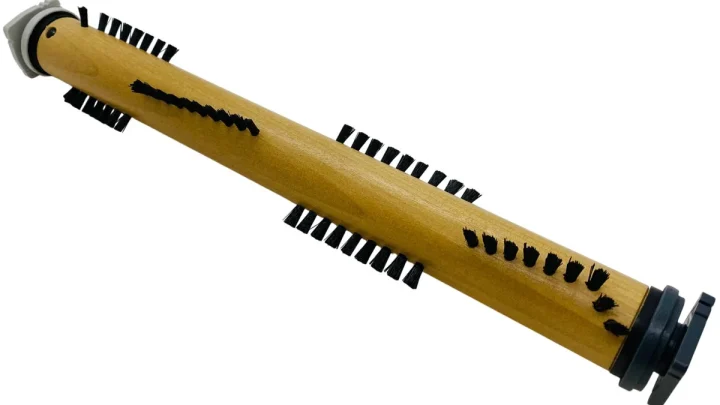
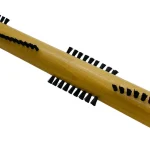
If you have pets, check the brush roll for tangles after each use. Hair wrap kills suction power quickly. A quick snip with scissors takes seconds.
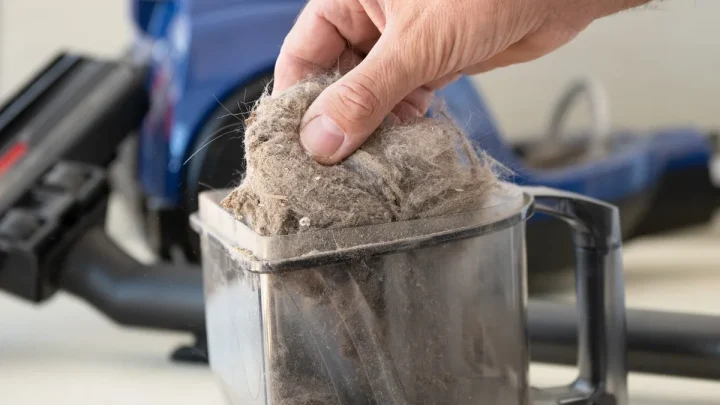
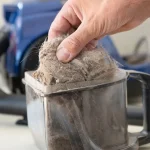
Empty the dustbin if it’s half-full. A full bin restricts airflow, making the next clean harder. Manufacturer specs indicate that maintaining optimal airflow extends motor life.
By keeping sessions short and focused, you prevent fatigue. This consistency builds the habit without draining your weekend energy.
The Weekly Reset: Agitating Embedded Soil and Allergens
Weekly deep cleaning targets what you can’t see. Fine dust, pollen, and skin cells settle deep into carpet pile. They don’t come out with a quick swipe.
You need mechanical agitation. Switch to your upright or canister vacuum with a powered brush roll. Enable the "carpet boost" mode if your model has it.
This increases suction pressure to pull particles from the base of the fibers.
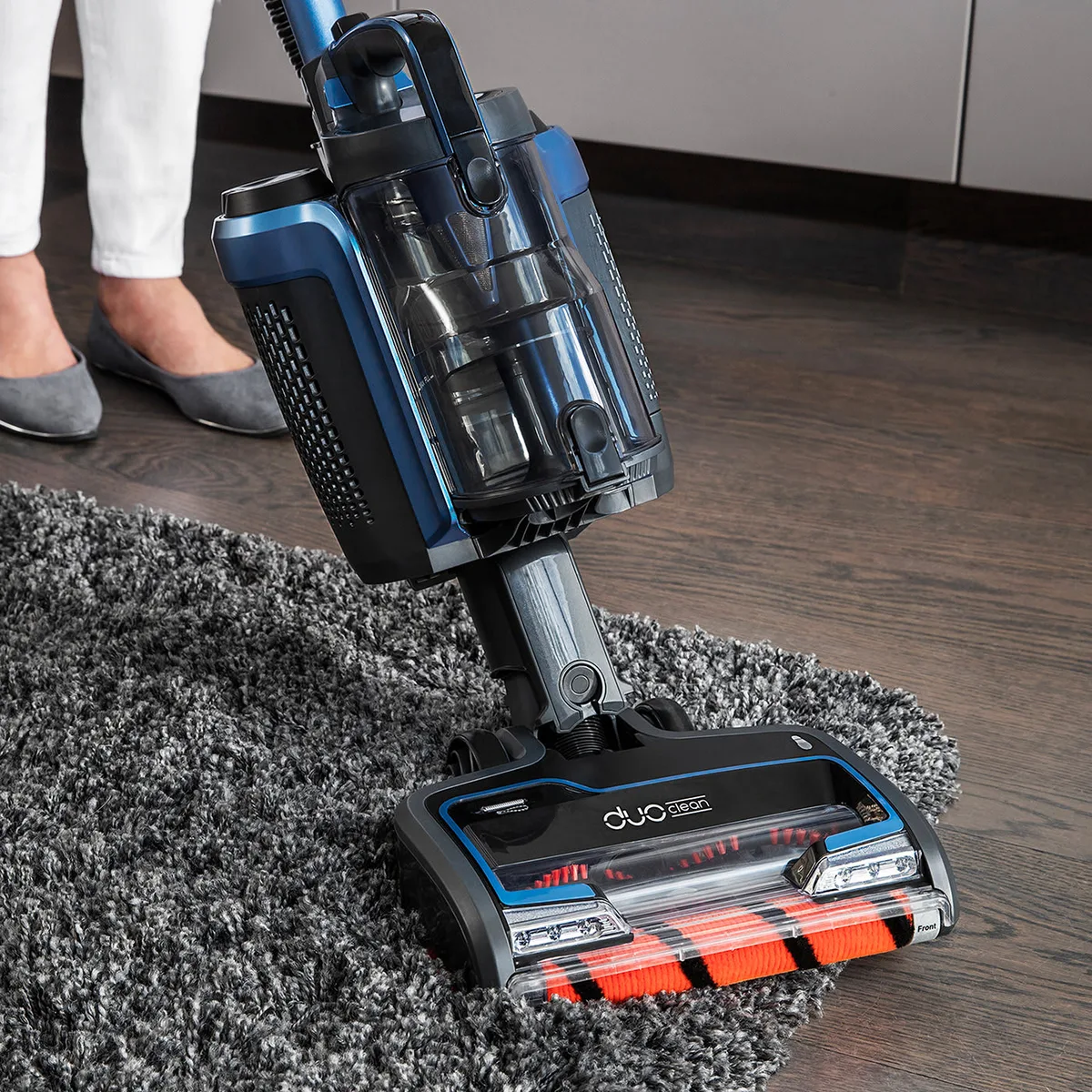
Start at the farthest corner of the room. Work backward toward the exit door. This prevents you from walking over freshly cleaned areas.
Move slowly. Rushing reduces contact time between the brush and the carpet. Aim for two passes in each direction: north-south, then east-west.
This cross-hatch pattern lifts matted fibers. Pay special attention to edges and corners. Dirt accumulates there because foot traffic pushes it against the baseboards.
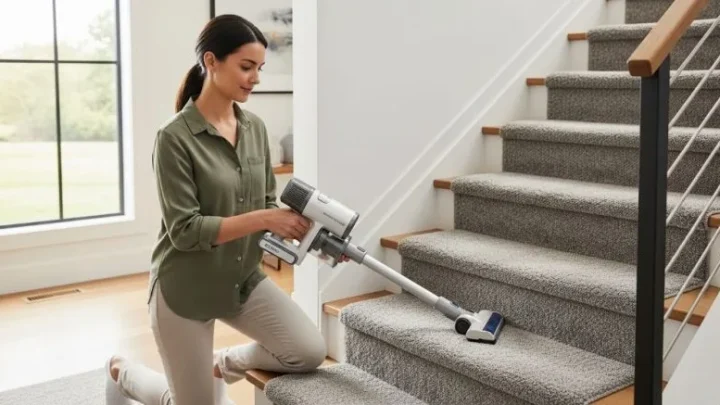
Use the hose attachment for stairs and upholstered furniture. Check your filters before starting. Clogged filters reduce efficiency by up to 30%.
Wash foam filters monthly and replace HEPA cartridges annually. This ensures you’re capturing allergens, not recirculating them. The EPA notes that proper filtration is critical for indoor air quality.
Take your time. This session should last 30 to 60 minutes, depending on home size.
Critical Switches: When to Change Heads, Modes, or Machines
Using the wrong attachment causes damage. Never run a stiff-bristled carpet brush on hardwood or laminate. It creates micro-scratches that dull the finish over time.
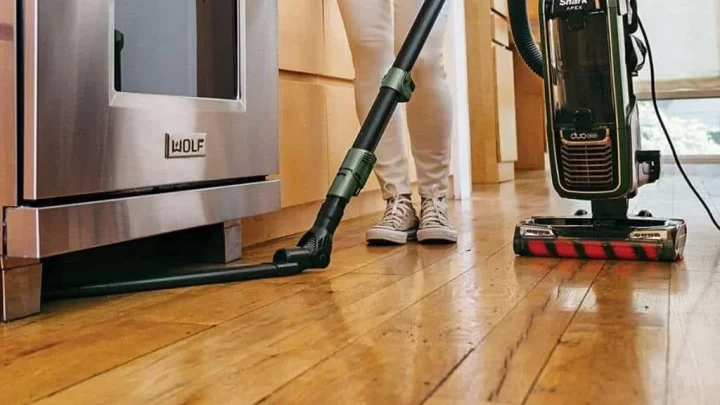
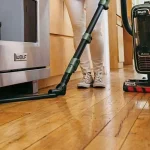
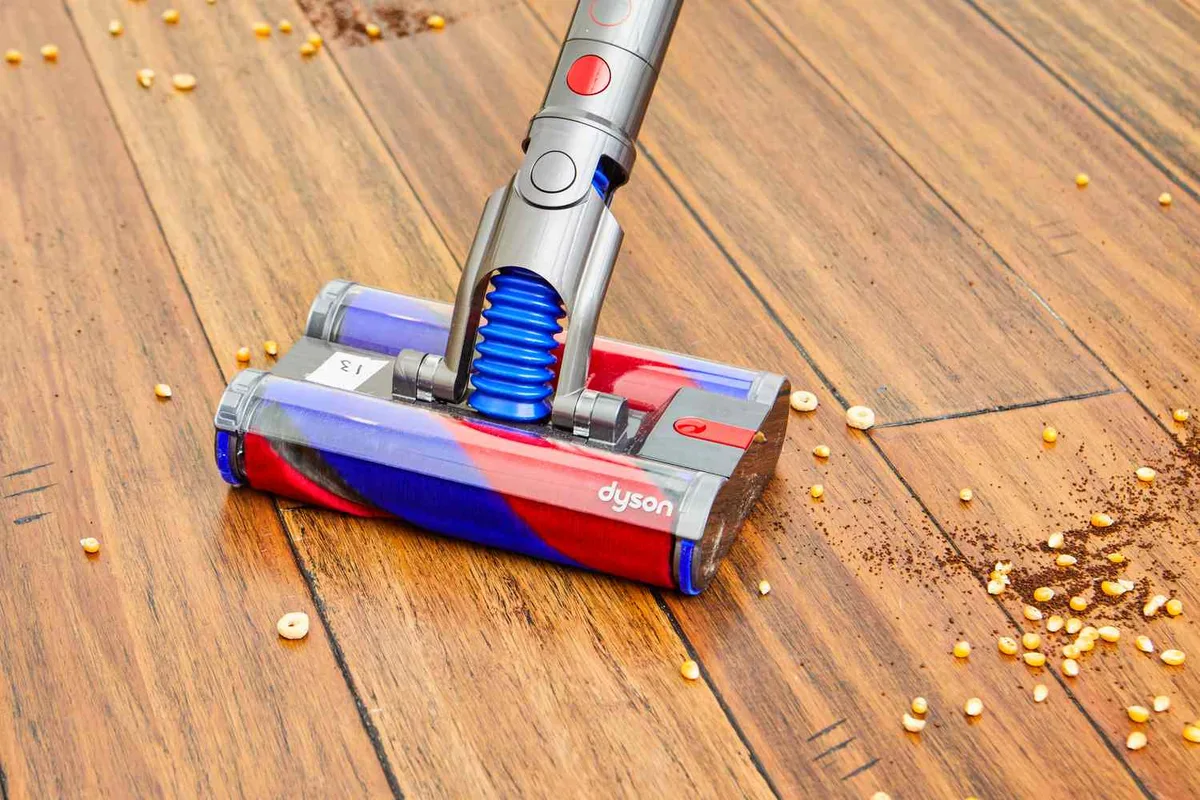
Switch to a soft roller head for hard floors. These rollers use microfiber strips to trap dust electrostatically. They glide smoothly without digging in.
If your vacuum lacks interchangeable heads, adjust the height setting to the lowest position.
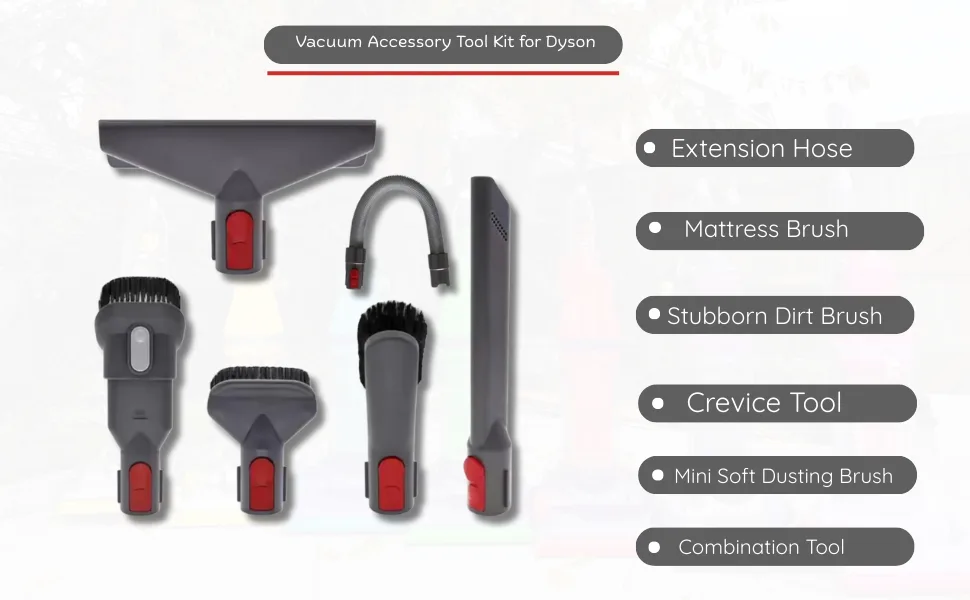
Turn off the brush roll when cleaning thick shag carpets or rugs with loose fringe. Rotating bristles can tangle and tear delicate fibers. Instead, rely solely on suction power.
Go slow to let the airflow do the work. For tile grout lines, use a narrow nozzle attachment. Wide heads miss the recessed channels where dirt hides.
Precision matters here.
Know when to swap machines entirely. If you’re doing spot cleanup on a spill, a handheld unit is faster than dragging out a full-size vacuum. Reserve the heavy-duty uprights for large area rug resets.
Cordless sticks excel at vertical surfaces like curtains and car interiors. Matching the tool geometry to the task surface maximizes efficiency. Misalignment wastes battery and effort.
Always verify the floor type before engaging the motor.
The Hybrid Workflow: Using Robots for Baseline Maintenance
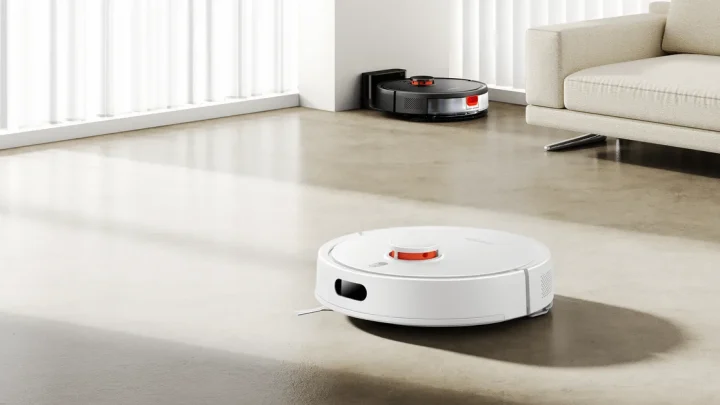
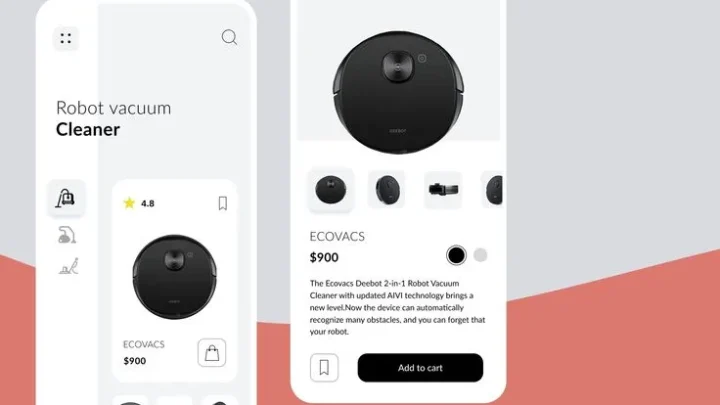
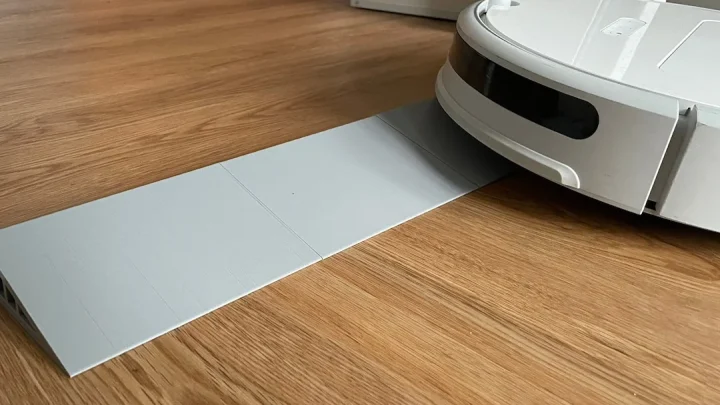
Robot vacuums change the equation. They handle the daily grind so you don’t have to. Program your robot to run once a day in high-traffic zones.
This keeps surface debris from embedding. Think of it as preventive care. The robot maintains a baseline level of cleanliness.
It catches the dust before it becomes a problem.
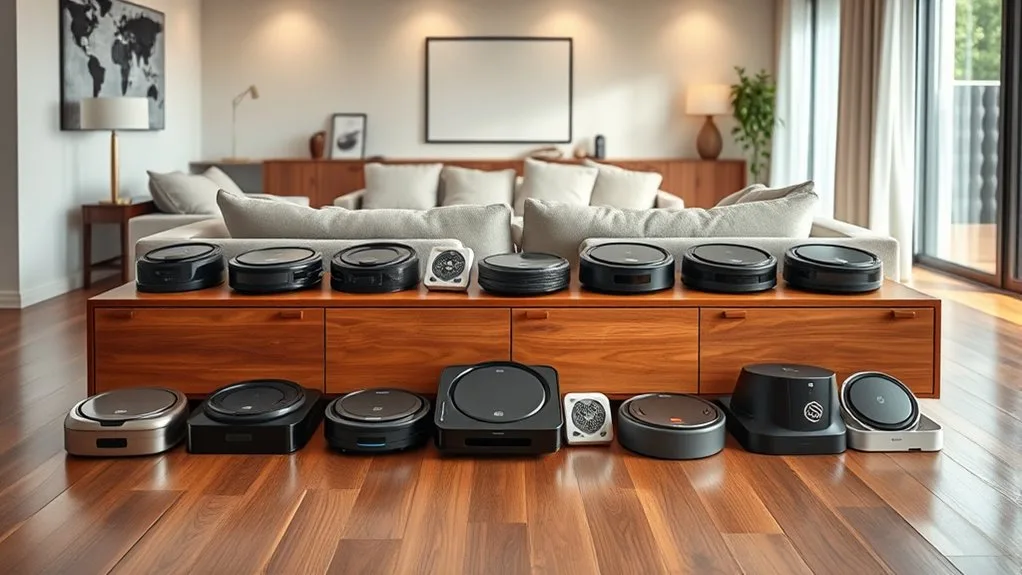
Don’t expect robots to replace weekly deep cleans. Their suction power is limited compared to uprights. They also struggle with thick pile carpets.
Use the robot for hard floors and low-pile rugs. Save your manual vacuuming for bedrooms and living rooms with deeper textures. This division of labor optimizes both tools.
The robot works quietly while you sleep or work.
Empty the robot’s bin frequently. Small capacities fill up fast. A full bin triggers error codes and stops cleaning.
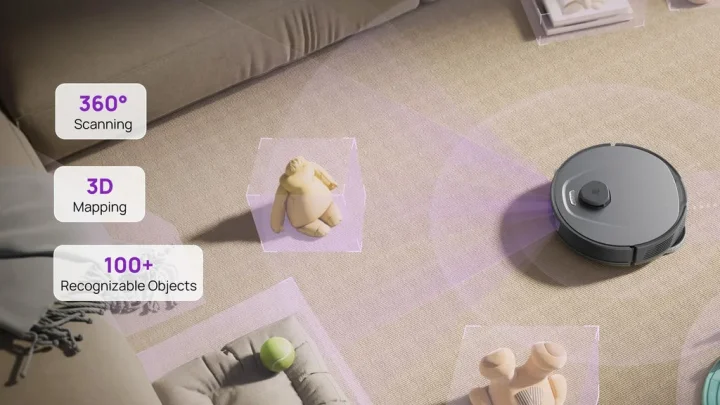
Wipe the sensors weekly to maintain navigation accuracy. Dust buildup confuses LiDAR or camera systems. By automating the mundane tasks, you free up mental bandwidth.
Your weekly manual session becomes less daunting. You’re tackling stubborn spots, not starting from scratch. This synergy reduces overall cleaning time by nearly 40%, according to user aggregation data.
Five Costly Mistakes That Ruin Carpet Fibers and Filters
Using high suction on hard floors without turning off the brush roll scratches surfaces. This is a common error that dulls laminate finishes permanently. Always disable agitation for wood, vinyl, or tile.
You’ll save your flooring refinance costs by simply flipping a switch.
Ignoring filter maintenance kills motor efficiency. A clogged HEPA filter forces the fan to work harder. This generates excess heat and shortens component lifespan.
Check your manual for washable versus disposable specs. Most require rinsing every four to six weeks. Let them dry completely before reinstalling.
Never run a vacuum with a damp filter. Moisture breeds mold inside the housing. This contaminates your indoor air quality significantly.
Pushing the vacuum too fast reduces contact time. Dirt needs seconds to lift from deep pile fibers. If you rush the weekly reset, you’re just moving debris around.
Slow down. Feel the resistance. If the head glides effortlessly, you might be missing embedded soil.
Conversely, forcing a stuck wheel damages the gearbox. Clear obstructions immediately. Don’t ignore warning lights or unusual noises.
These are early signs of impending failure. Address them during your daily check, not after breakdown.
Quick Reference Guide: Choosing Your Path Based on Household Type
Your cleaning strategy depends entirely on who lives in your home. A single person with no pets has different needs than a family of five with two dogs. We’ve mapped out the most common scenarios below.
Use this table to decide which workflow fits your life. It removes the guesswork from scheduling.
| Household Profile | Daily Focus | Weekly Deep Clean Priority | Recommended Tool Set |
|---|---|---|---|
| Pet Owners (2+) | Hair removal & litter tracking | Brush roll de-tangling & odor neutralization | Upright with strong agitation + Robot for baseline |
| Allergy Sufferers | Surface dust capture | HEPA filter verification & mattress vacuuming | Sealed-system Canister or Upright with HEPA certification |
| Hard Floor Homes | Grit removal to prevent scratches | Grout line detailing & edge cleaning | Soft-roller Stick Vacuum + Crevice tool |
| Large Families | High-traffic zone spot checks | Full-room cross-hatch pattern coverage | Robust Upright with large capacity bin |
| Minimalists/Singles | Light dust maintenance | Occasional thorough pass (bi-weekly) | Lightweight Cordless Stick |
Notice how pet owners prioritize hair management. Their daily routine must include brush roll inspection. Allergy sufferers focus on filtration integrity.
They can’t afford leaks in the system. Hard floor homes worry about abrasion. One grain of sand acts like sandpaper under wheels.
Adjust your speed accordingly. Larger families need volume handling. Small bins fill up instantly, causing interruptions.
Choose capacity over maneuverability if you have square footage to cover. Singles can sacrifice power for convenience. A light stick is easier to store and grab quickly.
Match the tool to the trash load.
Frequently Asked Questions
How often should I replace my vacuum filters?
Replace paper or felt bags when they reach three-quarters full. Washable foam filters need rinsing every month. Allow 24 hours for complete drying before reuse.
HEPA cartridges typically last six to twelve months. Check manufacturer guidelines for specific intervals. Neglecting this step drastically reduces suction power.
Dirty filters also recirculate allergens into your breathing zone. Consistency matters more than brand loyalty here. Inspect them visually during your weekly reset.
If they look gray or clogged, clean or swap them immediately. This simple habit protects your motor longevity.
Can I use one vacuum for both daily and weekly tasks?
Yes, but you must adjust settings and attachments. Use the soft roller or bare floor mode for daily sweeps. Switch to powered brush rolls for weekly carpet agitation.
Ensure your machine has variable suction controls. Fixed-power models may struggle with delicate rugs. Look for easy-release mechanisms for attachment swaps.
Complex setups discourage frequent use. Simplicity drives consistency. If changing heads feels like a chore, you won’t do it.
Invest in a model with intuitive docking stations. This reduces friction between tasks. Versatility is key for small spaces.
One good machine beats two mediocre ones stored separately.
What is the best pattern for deep cleaning carpets?
Use a north-south, then east-west grid pattern. This ensures uniform fiber lifting. Start at the farthest corner from the exit.
Walk backward to avoid stepping on wet or cleaned areas. Overlap each stroke by fifty percent. This eliminates missed strips of dirt.
Go slowly to maximize dwell time. Rushing leaves embedded soil behind. For stairs, work top-down using the hose attachment.
Hold the nozzle perpendicular to the tread. This prevents tipping and ensures stability. Detail edges with a crevice tool afterward.
Corners collect the most debris due to airflow dynamics. Systematic movement yields measurable results. Random paths waste battery and effort.
Discipline creates cleanliness.

Similar Posts