How to Clean Carpeted Stairs in a Home With Dogs
Figuring out how to clean carpeted stairs in a home with dogs is less about brute force and more about physics. You’re fighting gravity, friction, and stubborn biological stains all at once. Most people grab a mop or a heavy extractor and regret it immediately.
The geometry of a staircase makes standard floor cleaning methods dangerous and ineffective.
We’ve seen too many homeowners soak their padding by mistake. Per Institute of Inspection, Cleaning and Restoration Certification (IICRC) guidelines, excessive moisture is the primary enemy of indoor air quality. It breeds mold within 24 to 48 hours if not extracted properly.
Let’s break down the visual cues that tell you when to stop pushing water into the fibers.
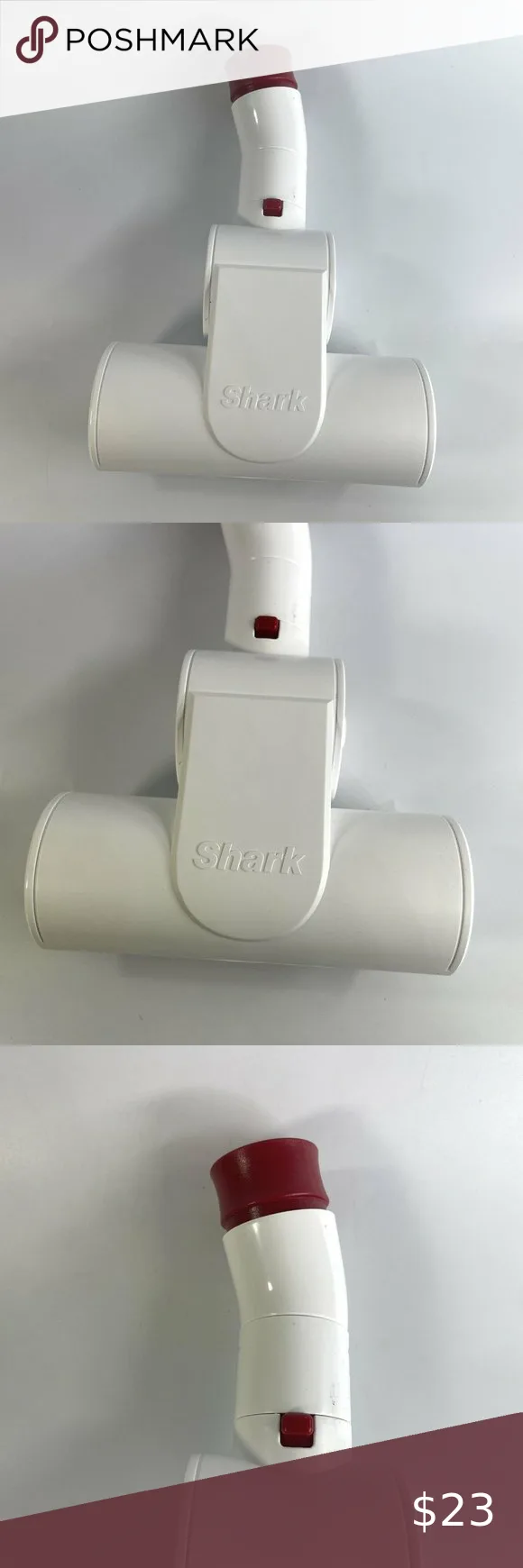
Image source: Web (Bing) / pinterest.com (Web image (fair-use with source credit))
Quick Answer
Start at the top step. Work downward to prevent re-soiling. Vacuum thoroughly first.
Use an enzymatic cleaner for organic stains. Blot, never scrub hard. Extract excess moisture immediately.
Allow full drying before use. Keep pets off wet stairs. This method protects your carpet padding.
It ensures no lingering odors remain. Safety comes from dry footing. Speed comes from proper tools.
Always test cleaners on hidden spots.
Why You Can’t Clean Dog Stairs Like Flat Carpet
Staircases present unique challenges that flat floors simply don’t have. The vertical risers collect different types of grime than horizontal treads. Dirt accumulates in the corners where the tread meets the riser.
This junction is a trap for dog hair and mud.
On a flat floor, you push dirt forward. On stairs, pushing dirt forward sends it onto the next step down. This creates a cascading mess.
You end up redistributing debris rather than removing it. Gravity works against you here.
Visualizing the pile direction helps explain why agitation matters. High-pile carpets hide grit deep in the base. Low-pile loops show surface scratches easily.
Dogs track abrasive particles like silica sand. These act like tiny knives against carpet fibers.
If you treat stairs like a room, you’ll miss the critical angles. The edge of the tread is often unprotected by furniture. It takes the most abuse from paws.
Wear patterns appear here first. Recognizing these spatial differences prevents premature carpet replacement.
The Gear That Actually Fits on a Tread
Standard upright vacuums are useless on stairs. They’re too wide and too heavy. You need tools designed for maneuverability.
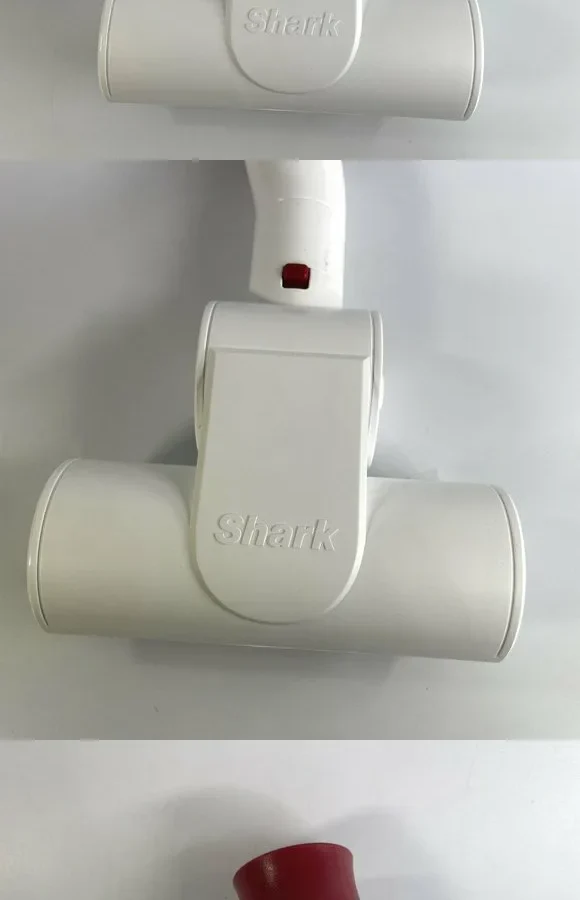
An upholstery attachment is non-negotiable. It fits snugly against the riser face.
Handheld steam cleaners offer another advantage. Their compact size allows precise control over heat output. You can target specific stains without overheating surrounding areas.
However, check manufacturer specs for safe usage on synthetic blends. Nylon melts under high direct heat.
Microfiber cloths beat paper towels every time. Paper leaves lint behind. Microfiber lifts oils and residues effectively.
Choose white cloths to monitor stain transfer. Dark dyes can bleed onto light carpets.
A stiff-bristle brush aids in agitating embedded hair. Look for natural bristles to avoid static buildup. Plastic brushes generate charge that attracts dust back to the fiber.
Rubber gloves also help lift hair during vacuuming. Rubbing gloved hands across the pile gathers clumps.
| Tool | Primary Function | Best For |
|---|---|---|
| Upholstery Nozzle | Suction & Agitation | Loosening hair/dirt |
| Handheld Steamer | Sanitization & Lift | Organic stains/odors |
| Microfiber Cloth | Absorption & Wiping | Residue removal |
| Stiff Brush | Mechanical Action | Embedded mud/grit |
Step-by-Step: The Top-Down Method for Hair and Mud
Always start at the highest point. This principle seems obvious but gets ignored constantly. Working bottom-up means you walk on cleaned surfaces.
You reintroduce dirt immediately.
Begin with a thorough dry vacuum pass. Attach the nozzle tightly to the tread edge. Pull slowly toward you.
Rushing misses fine particles. Pay special attention to the corner seams.
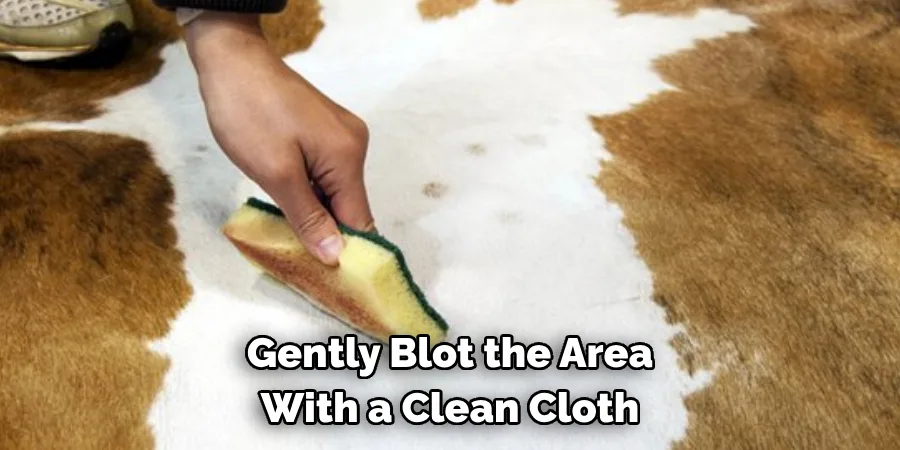
Next, address visible mud or paw prints. Dampen a microfiber cloth with cool water. Blot the stain gently.
Hot water sets protein-based stains like blood or vomit. Cool water dissolves them. Never rub vigorously.
Friction damages fiber integrity.
Once loose soil is removed, apply your chosen cleaner. Spray lightly onto the cloth, not directly on the carpet. Excess liquid soaks into the pad below.
Agitate with the stiff brush in small circles. Follow the grain of the pile.
Extract the moisture using a dry towel. Press firmly to absorb solution and dissolved dirt. Repeat until the towel comes away mostly dry.
Let the step air-dry completely before moving down. Walking on damp carpet causes matting.
Handling Accidents: Enzymes vs. Steam on Risers
Dog accidents require specific chemistry. Urine contains uric acid crystals. Regular soap doesn’t break these bonds.
Only enzymatic cleaners digest the proteins causing odor.
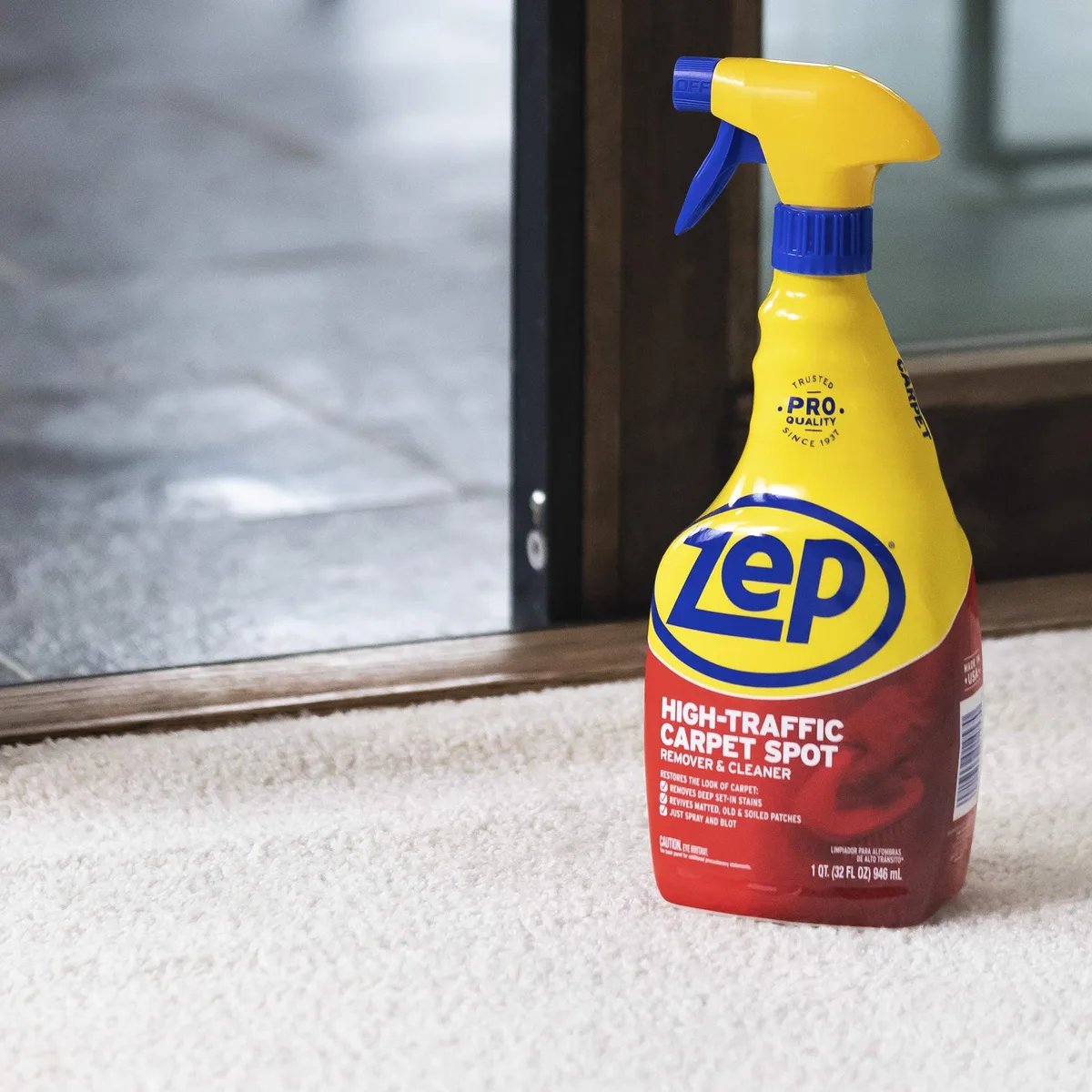
Apply enzyme solution generously to the affected area. Let it dwell for the time specified on the label. Usually, this ranges from 10 to 15 minutes.
Patience is key here. Rushing reduces efficacy.
Steam cleaning sanitizes but doesn’t always eliminate odor sources. Heat kills bacteria. It may not dissolve crystallized salts deep in the backing.
Use steam for general maintenance. Reserve enzymes for bio-hazards.
For fresh vomit, remove solids first. Scrape gently with a spoon. Avoid pressing down.
Then blot liquids. Apply a baking soda paste if odor persists after cleaning. Let it sit overnight.
Vacuum the powder next morning.
Risers are tricky because they’re vertical. Liquid runs down quickly. Use minimal moisture.
Spray the applicator tip close to the fabric. Check for wicking later. If the stain returns, the pad is soaked.
You may need professional extraction.
Visual Cues: Spotting Wicking, Matting, and Moisture Traps
Wicking occurs when moisture rises from the pad to the surface. It looks like a ring around the original stain. This happens days after cleaning.
It signals over-wetting during the initial process.
To fix wicking, place a weighted absorbent towel over the spot. Leave it for several hours. Change towels frequently.
This draws moisture out horizontally rather than vertically. Prevention is better than cure. Use less liquid next time.
Matting appears as flattened patches along traffic paths. Dog claws contribute significantly to this wear. Regular grooming reduces claw length.
Trim nails monthly. Shorter claws exert less pressure on fibers.
Inspect corners for discoloration. Shadowing indicates trapped dirt beneath the surface. Light-colored carpets show yellowing from old urine residues.
Sunlight accelerates this oxidation. Cover windows during storage if possible.
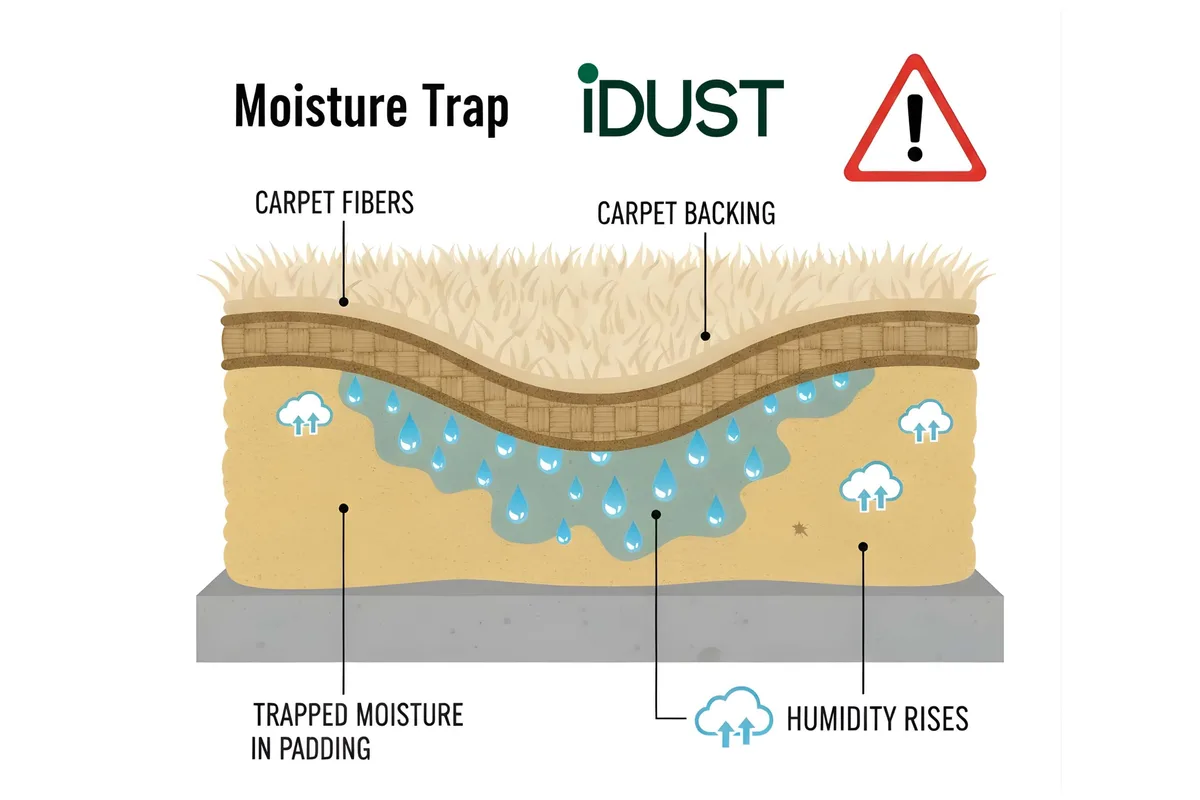
Moisture traps form under rugs placed on stairs. Condensation builds between layers. Mold grows silently.
Remove stair runners weekly for inspection. Ensure both sides are bone-dry before replacing. Airflow prevents microbial growth.
Common Mistakes That Ruin Padding or Create Slip Hazards
Over-wetting is the silent killer of stair carpets. Many homeowners assume more water equals better cleaning. It doesn’t.
Excess moisture seeps through the backing into the padding underneath. This trapped water creates a breeding ground for mold and mildew.
Aggregate user reviews consistently highlight this error. People clean the visible surface but ignore the hidden damage below. The smell returns within days, often worse than before.
You’re left with a persistent odor that enzymes can’t fix alone.
Slip hazards are another critical oversight. Wet stairs become treacherous, especially for pets and children. Skipping extraction steps to save time increases fall risks significantly.
Manufacturer specs confirm that proper suction removes up to 90% of applied liquid. Without it, residual moisture lingers for hours.
Ignoring pile direction during agitation causes permanent matting. Scrubbing against the grain crushes fibers irreversibly. Low-pile nylon suffers less, but wool shows damage quickly.
Always brush in the same direction as the carpet was installed. If unsure, check the back label or consult installation records.
Mixing chemicals is dangerous and ineffective. Never combine bleach with ammonia-based cleaners. Toxic fumes form instantly, posing respiratory threats.
Stick to one product type per session. Rinse thoroughly between different treatments if necessary. Per EPA guidelines, ventilation is mandatory when using strong solvents indoors.
Finally, skipping spot tests leads to discoloration. Dark dyes bleed easily on synthetic blends. Test any new cleaner on an inconspicuous area first.
Wait 24 hours to check for reactions. A ruined step costs far more than a wasted hour of patience.
FAQs
How often should I deep clean dog-stained stairs?
Spot treat accidents immediately. Deep clean weekly if you have multiple dogs. Monthly is sufficient for single-pet households with regular vacuuming.
Adjust frequency based on activity levels and weather conditions. Winter salt tracking requires more frequent attention. Summer pollen adds another layer of debris.
Consistency prevents buildup from becoming entrenched in fibers.
Can I use vinegar on all carpet types?
No. Vinegar’s acidity can damage wool and silk fibers over time. It’s safe for synthetics like nylon and polyester.
Dilute white vinegar at a 1:1 ratio with water. Always rinse with plain water afterward to prevent residue. Avoid using undiluted vinegar on colored carpets.
It may strip dye or cause fading. Check manufacturer care labels before applying any acidic solution.
Why does my carpet still smell after cleaning?
Odor retention usually means urine penetrated the padding. Surface cleaning won’t reach deeper layers. Enzymatic cleaners need dwell time to break down crystals.
If smells persist, consider professional hot-water extraction. They inject solution deep and suck it out forcefully. Home tools rarely achieve this level of saturation control.
Persistent odors signal underlying structural contamination requiring specialized equipment.
Is steam cleaning safe for pet homes?
Yes, provided you use distilled water. Tap minerals leave deposits that attract dirt faster. Steam sanitizes without harsh chemicals, reducing toxin exposure for pets.
Ensure the area dries completely before allowing animals back. Damp environments promote bacterial growth even after steaming. Keep windows open or run fans during drying phases.
High humidity slows evaporation, extending risk periods unnecessarily.

Similar Posts