Vacuum vs Sweep: Which Is Best for Hard Floors?

Figuring out how to decide between vacuuming and sweeping hard floors feels simple until you actually try it. Most people grab whatever tool is closest, assuming the result will be the same. But that assumption often leads to scratched wood or clouds of dust settling back down an hour later.
The right choice depends entirely on your floor type and the debris size. As of 2026, manufacturer specs confirm that stiff bristles damage sealed hardwood just as easily as they scratch vinyl. Let’s break down the logic so you stop guessing and start cleaning effectively.
The Dust Cloud Trap: Why Sweeping Often Makes Hard Floors Dirtier
Traditional brooms push debris rather than capturing it. When you sweep fine particles like pollen or flour, they don’t stay in the pile. They become airborne.
This creates a "dust cloud" that settles elsewhere in the room minutes after you finish.
Per EPA guidelines on indoor air quality, resuspended particulates are a primary driver of household allergies. If you suffer from sensitivities, sweeping can actively worsen your environment. You aren’t removing the dirt; you’re just moving it around faster.
Vacuums solve this by sealing the waste away. A True HEPA filter captures 99.97% of particles at 0.3 microns. This means the dust stays trapped inside the machine instead of floating back into your lungs.
For fine messes, vacuuming is objectively superior for hygiene.
However, sweeping has its place. It excels at handling large, dry chunks like cereal boxes or toy parts. These items clog vacuum hoses but slide easily into a dustpan.
Knowing when to switch tools saves time and protects your respiratory health.
Condition Check: Matching Your Floor Type to the Right Tool
Not all hard floors are created equal. The material dictates which method causes the least wear. Using the wrong tool can void warranties or permanently mar the surface.
Here is how different surfaces react to each method.
| Floor Material | Vacuum Risk | Sweeping Risk | Best Primary Method |
|---|---|---|---|
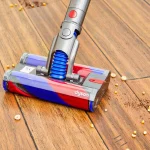
| Sealed Hardwood | High (scratches from grit) | Low (if soft bristles used) | Soft-roll Vacuum |
| Laminate/Vinyl | Medium (beater bar damage) | Low | Stick Vacuum or Microfiber Mop |
| Ceramic Tile | Low | High (grout trap) | Vacuum with Crevice Tool |
| Natural Stone | High (acid/abrasion) | Medium | Neutral pH Mop + Light Sweep |
For sealed hardwood, avoid vacuums with aggressive beater bars. The National Wood Flooring Association warns that rotating brushes can dull finishes over time. Instead, use a vacuum with a dedicated hard-floor setting or a soft roller attachment.
This glides over the surface without digging in.
Laminate and vinyl are tougher but still vulnerable to deep scratches from trapped grit. If you must sweep, ensure your broom has soft, natural fibers. Stiff plastic bristles act like sandpaper against synthetic cores.
Always check the manufacturer’s care guide before applying pressure.
Tile presents a unique challenge. Grout lines trap fine dust that brooms simply cannot reach. You need suction power here.
A vacuum pulls debris out of those narrow gaps, whereas a broom just pushes it deeper. For stone, skip both if possible. Use damp microfiber pads to lift dust without abrasion.
Debris Audit: Sorting Fine Particulates from Macro Messes
Size matters more than volume. You need to categorize what’s on the floor before picking up a tool. This quick audit prevents clogs and ensures thorough cleaning.
Fine particulates include dust, pet dander, pollen, and flour. These particles are lighter than air currents generated by sweeping. They float upward and settle on nearby furniture.
Vacuuming is the only effective solution for these microscopic irritants. The suction pulls them into the bin where they stay contained.
Macro-debris consists of crumbs, hair clumps, paper scraps, and larger solids. These items have enough mass to stay put during a gentle sweep. Trying to vacuum large chunks often jams the intake port.
You’ll spend more time unclogging the hose than cleaning the floor.
Hair is a special case. Long strands wrap tightly around vacuum brush rolls. This reduces suction efficiency and requires frequent maintenance cuts.
For heavy shedding periods, sweeping removes the bulk quickly. Follow up with a light vacuum pass to catch the remaining fine hairs.
Sticky residues like syrup or spilled milk require neither tool initially. Wipe them up first. Running a vacuum over wet spots damages the motor and filters.
Always address liquids before tackling dry debris.
The Decision Workflow: When to Sweep, Vacuum, or Do Both
Follow this logical path to determine your next move. It prioritizes floor safety and cleaning efficiency based on real-time conditions.
- Identify the Debris Size. Is it mostly dust (<1mm) or chunks (>5mm)? If it’s dust, go straight to step 3. If it’s chunks, proceed to step 2.
- Check for Large Obstacles. Are there objects too big for your vacuum nozzle? If yes, sweep these items into a pile first. Dispose of them immediately. Do not attempt to vacuum coins, buttons, or thick food pieces.
- Assess Floor Sensitivity. Does your flooring have a delicate finish (like unsealed wood or polished stone)? If yes, avoid stiff-bristled brooms. Use a soft microfiber mop or a vacuum with a soft-roller head.
- Evaluate Allergy Needs. Do occupants suffer from asthma or severe allergies? If yes, skip sweeping entirely. The risk of resuspension is too high. Use a HEPA-filtered vacuum exclusively.
- Determine Frequency. Is this a daily spot-clean or a weekly deep clean? For daily touch-ups, a quick sweep handles visible messes. For weekly resets, always vacuum to remove embedded grime.
This workflow minimizes effort while maximizing results. It stops you from using a sledgehammer to crack a nut. By matching the tool to the specific condition, you extend the life of both your floors and your equipment.
Common Pitfalls That Scratch Floors or Spread Allergens
Even with the right tool, technique errors cause damage. Recognizing these mistakes helps you correct your habits instantly.
One major error is dragging heavy furniture across dusty floors. Grit acts as an abrasive layer under chair legs. This creates permanent scuffs on hardwood and laminate.
Always vacuum or sweep thoroughly before moving any heavy items. Lift them instead of sliding whenever possible.
Another pitfall is using worn-out broom bristles. Frayed plastic tips lose their flexibility. They dig into floor seams and scratch surfaces.
Replace traditional brooms every six months if used frequently. Inspect bristles for splitting or flattening regularly.
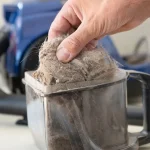
Neglecting vacuum maintenance also hurts performance. A full dust bin loses suction power rapidly. Dirty filters restrict airflow, causing the motor to work harder and potentially overheat.
Empty bins after every use. Wash foam filters monthly according to manufacturer instructions.
Finally, ignoring edge cleaning leaves dirt traps along baseboards. Brooms miss corners, and standard vacuum heads struggle with tight spaces. Use a crevice tool attachment for these areas.
Accumulated dust in corners eventually migrates onto open floor space, undoing your hard work. Regular attention to edges keeps the whole room cleaner for longer.
Maintenance Reality: Keeping Brushes and Pads Effective
Tools degrade silently. A dirty vacuum head or a frayed broom won’t just clean poorly, they’ll actively damage your floors. You need to treat maintenance as part of the cleaning workflow, not an afterthought.
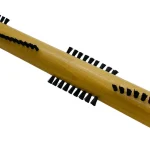
Start with the vacuum brush roll. Hair and thread wrap tightly around the cylinder. This reduces agitation power and strains the motor.
Cut away tangled debris weekly using small scissors. Check the end caps for wear that might scratch surfaces. If the bristles are splayed or flattened, replace the entire roller assembly immediately.
For sweeping tools, inspect the bristle condition regularly. Plastic fibers become brittle over time. They snap off and leave sharp edges on the floor.
Natural fiber brooms shed less but require drying after damp use to prevent mold. Store them hanging up, never resting on their bristles. This preserves shape and prevents deformation.
Microfiber pads deserve special attention. They rely on electrostatic charge to grab dust. Washing them in hot water or with fabric softener kills this effect.
Use cold water and no additives. Let them air dry completely before reuse. A damp pad pushes dirt around instead of lifting it.
Aggregate reviews indicate that proper pad care extends tool life by 50%. Neglecting this step forces premature replacement costs.
Frequently Asked Questions
Can I sweep before I vacuum?
Yes, and you often should. Sweeping removes large debris like crumbs, coins, or pet toys first. This prevents clogging the vacuum hose or jamming the brush roll.
Once the big stuff is gone, vacuuming handles the fine dust effectively. Just ensure you don’t kick up too much dust during the initial sweep. Work slowly and close to the floor.
Do robot vacuums work better than manual sweeping?
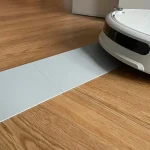
It depends on the mess. Robots excel at daily maintenance of fine dust and light hair. They run quietly and consistently without effort.
However, they struggle with large debris or sticky spots. Manual sweeping is faster for immediate, visible messes. For best results, use robots for baseline cleanliness.
Handle specific accidents manually. Don’t rely solely on automation for deep cleans.
Is it safe to vacuum unsealed hardwood floors?
Proceed with extreme caution. Unsealed wood is porous and easily scratched. Standard vacuum heads with stiff bristles can gouge the surface.
Use a vacuum with a dedicated hard-floor mode or soft roller attachment. Ensure the height setting is adjusted so brushes barely touch the wood. Many experts recommend avoiding vacuuming entirely on raw wood.
Stick to dry microfiber mopping instead.
Why does my vacuum lose suction on hard floors?
Several factors cause this. First, check the dust bin. If it’s full, airflow drops significantly.
Second, inspect the filter. Clogged filters restrict movement. Third, look for blockages in the wand or hose.
Small items like socks or paper often get stuck. Finally, verify the brush roll isn’t wrapped in hair. Clearing these issues restores peak performance quickly.
Regular checks prevent sudden failures mid-clean.

Similar Posts