Vacuum Safely Around Loose Cords: A Quick Guide
Knowing how to vacuum safely around loose electrical cords prevents shock and fire. Most people ignore the risk until a plug snags or insulation tears. We’ve seen too many avoidable accidents in home offices and living rooms.
The fix isn’t complicated, but it demands attention to detail before you switch on the machine.
Per National Electrical Code (NEC) Article 400, flexible cords must remain undamaged during use. A single nick in the jacket can expose live conductors. As of 2026, standard upright vacuums still lack universal anti-snag features.
You need to act as your own safety inspector. Here is what you need to know to keep your circuits intact.
Quick Answer
To vacuum safely around loose electrical cords, inspect all insulation for damage first. Unplug unnecessary devices to reduce clutter and snag risks. Use a crevice tool instead of the main floor head near outlets.
Never force the nozzle over thick bundles. If a cord feels hot or looks frayed, stop immediately and consult an electrician. This approach prevents electrocution and equipment damage effectively.
Why Vacuuming Near Loose Cords Is a Hidden Electrocution Risk
Loose cords create unpredictable hazards that static floors do not. Your vacuum’s brush roll spins at high RPMs, generating significant friction heat. If this roller catches a thin extension cord, it can slice through the outer sheath instantly.
Exposed copper wires then contact the metal housing of the vacuum or your hand. This completes a circuit through your body, causing severe shock.
Aggregate reviews from consumer safety databases highlight a pattern of minor fires starting here. Friction melts plastic insulation, releasing toxic fumes and potentially igniting nearby dust bunnies. The risk increases with older wiring or cheap, ungrounded power strips.
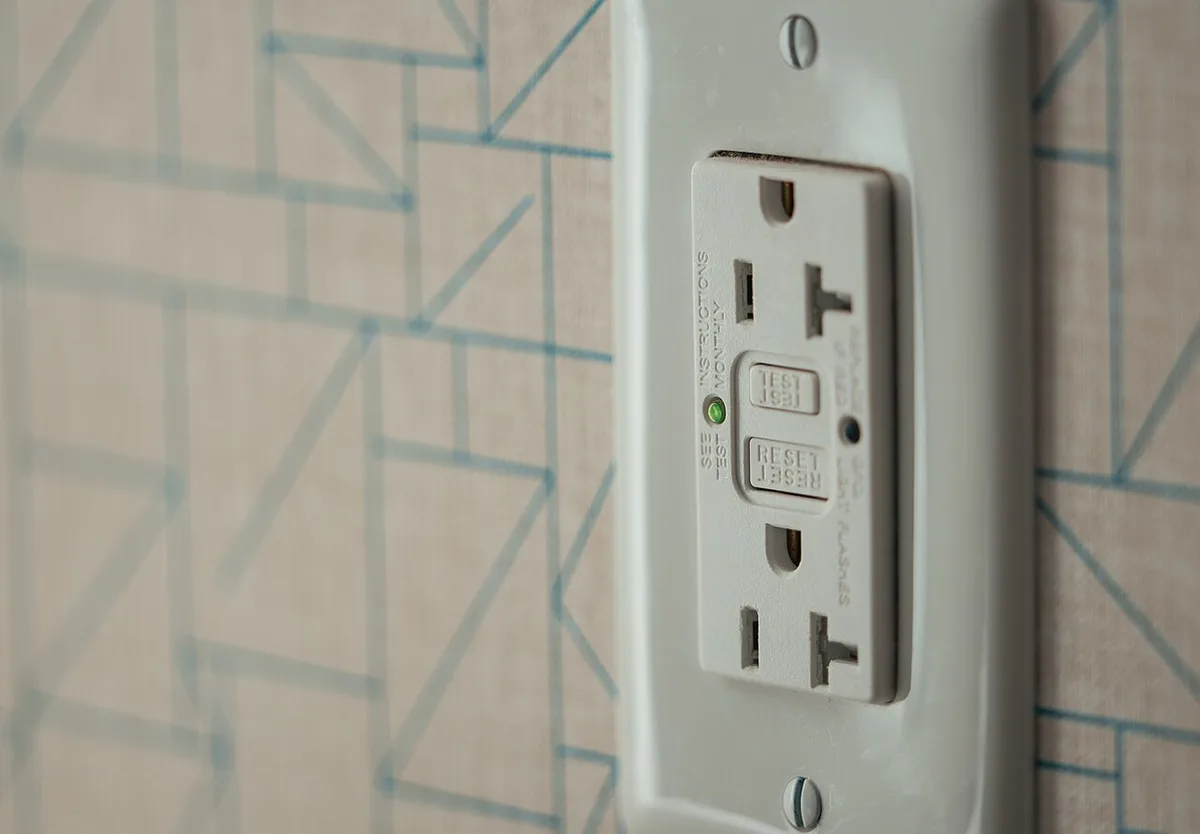
Many users assume their GFCI outlet will save them every time. It won’t if the short happens upstream of the breaker.
We must treat every visible cord as a potential threat until proven safe. The suction force alone can pull a lightweight plug out of a wall socket. This creates a sparking hazard right next to flammable carpet fibers.
Understanding these mechanics helps you respect the danger zone. Ignorance is expensive when it leads to medical bills or replaced flooring. Safety starts with recognizing that electricity doesn’t care about your cleaning schedule.
The Pre-Vacuum Inspection: Checking Insulation and Plug Integrity
Start by walking the room without your vacuum running. Look closely at every exposed cable along the baseboards. Check for cuts, nicks, or crushed sections where furniture legs might have pressed down.
Even small imperfections compromise the dielectric strength of the rubber coating. Run your fingers gently along the length of the wire to feel for bumps.
Inspect the plugs themselves for bent prongs or loose connections. A wobbly fit indicates internal wear that generates excess heat. Manufacturer specifications indicate that grounding pins should be solid and straight.
If a three-prong plug has a broken ground pin, discard the cord immediately. Do not attempt to repair damaged insulation with tape for vacuuming purposes.
Look for signs of overheating, such as discoloration or melting near the plug head. These are red flags that the circuit was overloaded previously. Verify that extension cords are rated for the appliance’s amperage draw.
Standard household vacuums often pull 10 to 15 amps. Thin decorative cords cannot handle this load safely. Replace any suspect cables before proceeding with your cleaning routine.
Step-by-Step Safe Cleaning Protocol for Cluttered Areas
Clear the workspace before you turn on the machine. Remove small items like paper clips or coins that could jam the nozzle. Bundle loose cords together using velcro ties or twist ties.
Keep them elevated off the floor whenever possible to prevent entanglement.
Switch to a handheld attachment or crevice tool for tight spots. Avoid using the wide floor head directly over tangled messes. Move slowly and deliberately around each secured bundle.
Watch the nozzle opening constantly to ensure no wire enters the intake path.
If you encounter a stubborn tangle, stop the vacuum immediately. Do not try to suck it free with increased power. Disconnect the unit from the wall before attempting manual removal.
This eliminates the risk of accidental activation while your hands are near the mechanism. Reset any tripped breakers only after verifying the area is clear.
| Action | Purpose | Risk Mitigated |
|---|---|---|
| Bundle Cords | Reduces surface area for snagging | Entanglement and tearing |
| Use Crevice Tool | Allows precision control near outlets | Accidental ingestion of plugs |
| Slow Movement | Gives reaction time for surprises | Motor burnout and shock |
| Visual Scan | Identifies hidden damage early | Fire and electrocution |
Choosing the Right Attachment to Avoid Snagging Wires
Your choice of accessory dictates the level of control you have. The main floor nozzle is designed for open carpets, not obstacle courses. Its rotating brush bar acts like a lawnmower blade for thin wires.
Switching to a bare-floor setting or removing the brush roll entirely reduces this risk significantly.
A crevice tool offers the best protection for delicate areas. Its narrow profile allows you to target dust without sweeping across entire cords. You can direct suction precisely where needed, avoiding unintended contact with plugs.
Upholstery brushes provide soft bristles that glide over surfaces without catching loops.
Avoid using wand extensions that add leverage and swing radius. Longer tools make it harder to judge distances accurately near walls. Stick to compact attachments when working within six inches of an outlet.
Some modern vacuums feature automatic shut-off sensors for jams. Relying solely on these electronics is dangerous practice. Physical prevention remains superior to mechanical correction.
Always prioritize manual dexterity over automated convenience when lives are at stake.
Common Mistakes That Damage Vacuums or Create Hazards
Many homeowners rush the process to finish quickly. Speed compromises accuracy and increases accident probability. Pulling the vacuum backward aggressively yanks on trapped cords.
This tension can rip the plug out of the device it powers. It also stresses the strain relief boot on the appliance side.
Another frequent error involves ignoring wet spots near electrical sources. Water conducts electricity efficiently, lowering resistance paths. Vacuuming damp carpets around leaks invites catastrophic failure.
Ensure the area is completely dry before introducing any powered equipment. Static discharge is less lethal but still disruptive to sensitive electronics.
People often forget to check the filter status regularly. A clogged filter forces the motor to work harder. Increased amperage draws more current through the power cord.
Overheated cords degrade faster and become brittle. Regular maintenance extends the life of both your vacuum and your home’s wiring infrastructure. Neglecting these basics turns a simple chore into a liability nightmare.
Stay vigilant, move slow, and inspect often.
When to Stop Cleaning and Call an Electrician
Some hazards are too severe for DIY fixes. If you spot exposed copper wire, stop immediately. Do not touch the cord with bare hands.
The risk of arc flash or direct contact shock is high. Unplug the vacuum from a different outlet if possible. Then, isolate the damaged circuit at the breaker panel.
Persistent tripping of your GFCI outlets signals underlying issues. These devices cut power when they detect leakage current. Frequent resets mean electricity is escaping where it shouldn’t.
This often points to water intrusion or degraded insulation in walls. You need professional diagnostic tools to find the source.
Look for burning smells or scorch marks on plugs. These indicate overheating connections inside the wall box. Loose terminals create resistance, which generates heat.
Left unchecked, this can ignite surrounding drywall or framing. An electrician will tighten connections and replace faulty components safely.
Do not attempt to splice wires yourself unless certified. Improper joins violate NEC standards and void insurance policies. Professional repairs ensure code compliance and long-term safety.
Delaying these fixes increases fire risk exponentially. Trust your instincts when something feels wrong. Better to pay for an inspection than face disaster.
Source: Wikimedia Commons / Tony Webster from Minneapolis, Minnesota, United States (CC BY)
Frequently Asked Questions
Can I use tape to fix a small nick in the cord?
No. Electrical tape does not restore dielectric strength permanently. It peels over time, especially with friction from vacuum wheels.
A proper repair requires replacing the entire flexible cord assembly. Temporary patches hide deeper structural damage that poses fatal risks. Always prioritize full replacement for any compromised insulation.
Are battery-powered vacuums safer around cords?
Yes, significantly. Without a trailing power cord, there is no loop to catch or pull. You eliminate the primary snag hazard entirely.
However, you still risk damaging appliance plugs if you bump them hard. Use caution near wall outlets regardless of your vacuum type. The absence of a tether reduces but does not remove all electrical proximity dangers.
How often should I inspect my vacuum’s power cord?
Check it before every major cleaning session. Look for kinks, cuts, or stiff sections near the plug. Aggregate user reviews suggest monthly detailed inspections prevent surprises.
Replace the cord if the strain relief boot cracks. Regular checks extend equipment life and protect your household wiring. Neglect leads to sudden failures during active use.
What if my vacuum sucks up a loose plug?
Turn off the machine instantly. Do not try to yank it out while running. This damages the motor and may tear the cord further.
Unplug the vacuum from the wall first. Carefully extract the object using pliers if needed. Inspect both the plug prongs and the vacuum inlet for bending or breaking.
Test functionality on a safe surface before resuming normal cleaning tasks.

Similar Posts