Clean vs Dirty Tank Capacity: How to Compare Carpet Cleaners
Figuring out how to compare clean water and dirty water tank capacity in carpet cleaners is tricky because bigger isn't always better. Most buyers fixate on the largest number they see, assuming more gallons means fewer interruptions. That logic fails when the recovery tank fills up before you’ve even finished a single room.
We need to look at the balance between injection and extraction rates instead. A mismatched ratio creates bottlenecks that slow down your entire cleaning process. As of 2026, modern extractors offer varied configurations, making spec sheet literacy essential for efficiency.
Let’s break down why these two tanks must work in harmony rather than isolation.
Why Tank Ratios Matter More Than Raw Capacity
You might think a five-gallon clean water tank solves everything. It doesn’t. If your dirty water tank only holds one gallon, you’ll stop constantly to empty it.
This disrupts your workflow and wastes time. The goal is continuous operation, not maximum volume.
Think of the tanks as partners in a relay race. The clean tank supplies solution, while the dirty tank collects waste. If one partner drops the baton, the race stops.
You want both tanks to deplete or fill at roughly the same rate during active cleaning.
This synchronization depends on the machine’s vacuum power and spray pressure. High-pressure pumps inject fluid faster than low-power vacuums can remove it. Consequently, the dirty tank fills quicker than expected.
Ignoring this dynamic leads to frustration and poor results.
The Efficiency Trap
Many users fall into the trap of buying machines with oversized clean tanks. They assume this reduces refill frequency. However, if the recovery system lags behind, those extra gallons sit unused.
You’re carrying dead weight without gaining productivity.
Proper sizing ensures you spend less time managing fluids and more time cleaning. It also protects the pump from cavitation issues caused by running dry. Balanced ratios keep the machinery operating within its designed parameters.
The Hidden Math: How Clean and Dirty Tanks Interact During a Job
The interaction between tanks follows a simple principle: input versus output. Your clean water tank provides the input via spray jets. The dirty water tank handles the output through vacuum suction.
These processes happen simultaneously during extraction passes.
Image source: Web (Bing) / bisonindustry.com (Web image (fair-use with source credit))
Manufacturer specifications indicate that typical residential units aim for an 80% recovery rate. This means eight ounces of injected solution return as extracted moisture. The remaining twenty percent stays in the carpet or evaporates.
Understanding this math helps predict tank behavior.
If you inject ten gallons but recover only seven, three gallons remain trapped. Those three gallons occupy space in the fibers until fully dried. Meanwhile, your dirty tank accumulates the recovered seven gallons.
The clean tank loses ten gallons of supply.
Calculating Runtime Limits
To estimate runtime, divide the clean tank capacity by the flow rate. Then check if the dirty tank can hold the corresponding recovered volume. For example, a two-gallon clean tank with a high-flow nozzle empties quickly.
Does the one-gallon dirty tank suffice? Likely not.
You’ll hit a wall where the dirty tank triggers a shut-off switch. At that point, the clean tank still has fluid left. This imbalance forces premature job termination.
Always cross-reference flow rates with tank sizes before purchasing.
Our research shows that prosumer models often feature larger dirty tanks to compensate for aggressive spraying. This design choice prioritizes uninterrupted cleaning over portability. Recognizing this trend helps set realistic expectations for different machine classes.
Decoding Spec Sheets: What Gallons Actually Mean for Your Workflow
Spec sheets list capacities in gallons or liters, but rarely explain usability. A "two-gallon" label refers to total volume, not usable working capacity. Float switches typically trigger shutoffs before the tank is physically full.
This safety margin reduces effective runtime slightly.
Look for notes on removable tanks versus integrated systems. Removable tanks allow easier dumping and refilling. Integrated systems require disconnecting hoses, which adds friction to the process.
Convenience factors heavily into actual workflow speed.
Also, check the material transparency. Opaque tanks hide fill levels, forcing guesswork. Transparent polycarbonate shells let you monitor progress visually.
This small feature prevents unexpected mid-job interruptions.
| Feature | Impact on Workflow | Typical Range |
|---|---|---|
| Usable Capacity | Determines true runtime | 85-90% of rated vol. |
| Tank Material | Affects visibility & weight | Polyethylene vs. Polycarbonate |
| Fill Port Size | Speeds up refilling | Wide-mouth preferred |
| Dump Mechanism | Reduces spill risk | Quick-release valves |
Aggregate reviews report that wide-mouth filling ports save significant time. Narrow openings cause splashing and slower connection to faucets. When comparing models, prioritize ease of access alongside raw numbers.
Don’t ignore weight distribution either. Full tanks shift the center of gravity. Poorly balanced machines become hard to maneuver on stairs or tight corners.
Test handling characteristics whenever possible before committing.
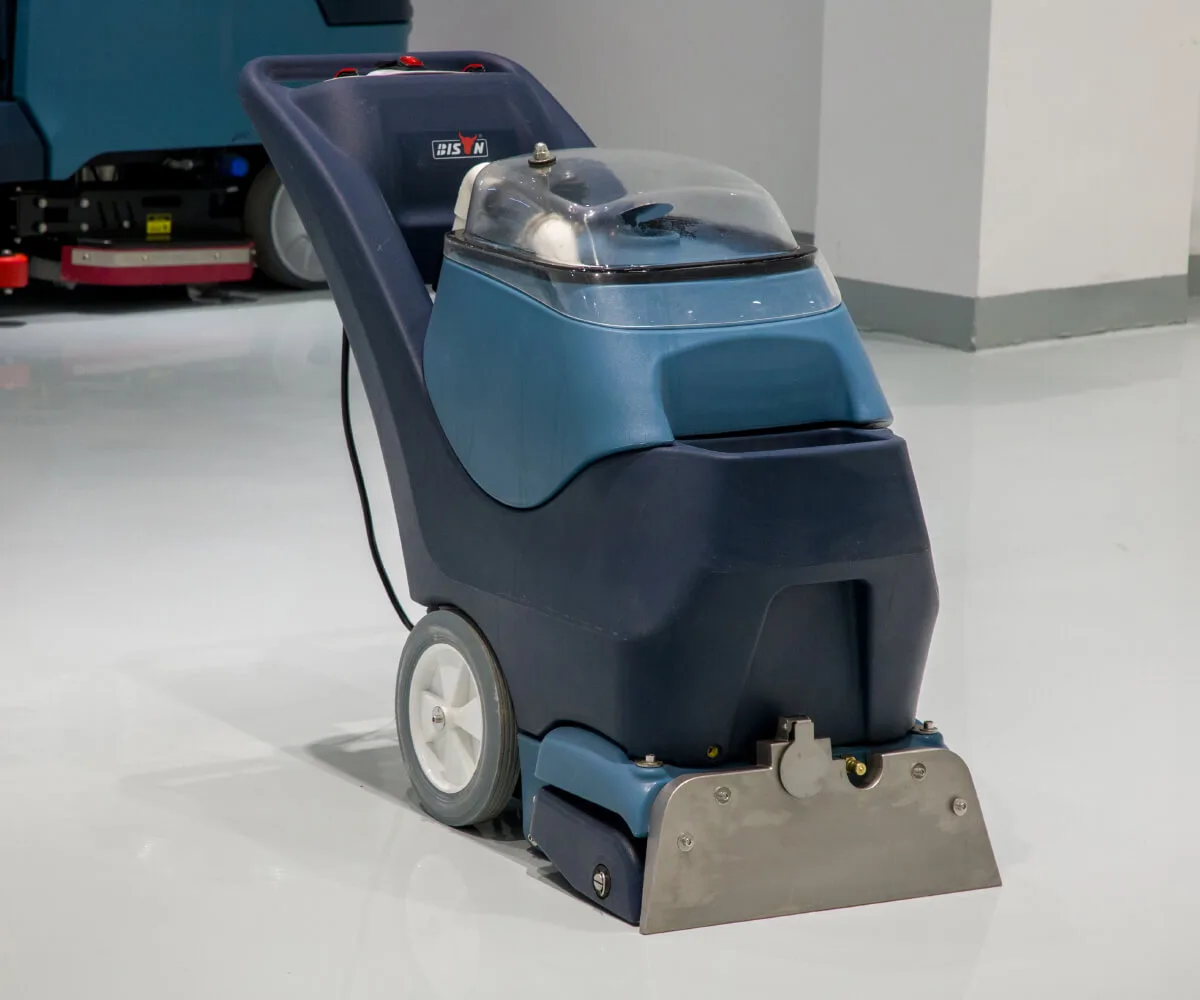
Image source: Web (Bing) / bisonindustry.com (Web image (fair-use with source credit))
For commercial walk-behind extractors, capacities exceed five gallons per tank. These units rely on onboard generators or extended cord lengths. Their scale demands robust drainage solutions.
Homeowners shouldn’t expect similar convenience from portable spots.
Scenario Matching: Choosing the Right Balance for Your Space
Your living environment dictates the ideal tank configuration. Apartment dwellers benefit from compact units with moderate capacities. Large homes with open layouts suit heavy-duty uprights with big reservoirs.
Matching machine size to space avoids unnecessary strain.
Pet owners dealing with frequent accidents need quick turnaround times. Smaller tanks encourage frequent maintenance checks. This habit prevents mold buildup in stagnant water.
Regular cycling keeps hygiene standards high.
Professional cleaners covering multiple rooms prefer larger balances. Minimizing trips to utility sinks boosts billable hours. Time saved equals revenue gained.
Therefore, pros invest in synchronized dual-tank systems.
Residential vs. Commercial Needs
Residential users often overlook pre-vacuuming steps. Without dry soil removal, wet extraction clogs filters rapidly. This slows recovery speeds, effectively shrinking usable tank capacity.
Proper prep extends runtime regardless of tank size.
Commercial operators face stricter sanitation rules. EPA guidelines suggest careful disposal of gray water. Larger tanks mean heavier loads to transport legally.
Plan logistics accordingly to avoid compliance violations.
Consider storage constraints too. Bulky machines with huge tanks consume closet space. Foldable designs or slim profiles help manage footprint.
Evaluate available storage before selecting maximum capacity options.
Seasonal variations affect drying times, influencing tank usage indirectly. Humid climates require stronger vacuum power to pull moisture out. This increases load on the dirty tank.
Adjust expectations based on local weather patterns.
Hard water regions experience scale buildup in pumps. Reduced flow rates alter injection dynamics. Cleaning intervals shorten due to mechanical inefficiency.
Factor in maintenance costs when assessing long-term viability.
The Trade-Offs: Portability vs. Runtime in Modern Extractors
Portability and runtime exist in tension. Lighter machines carry smaller tanks. Heavier units offer extended sessions.
You cannot maximize both attributes simultaneously in current technology. Choose based on primary use case priorities.
Handheld spot cleaners excel at mobility. Weighing under ten pounds, they climb stairs easily. Yet their tiny tanks limit coverage to few square feet.
Refills occur every fifteen minutes during intense jobs.
Upright deep cleaners sacrifice some agility for endurance. Rolling wheels assist movement across flat surfaces. Larger tanks support hour-long sessions without pausing.
Stair navigation remains difficult despite improved ergonomics.
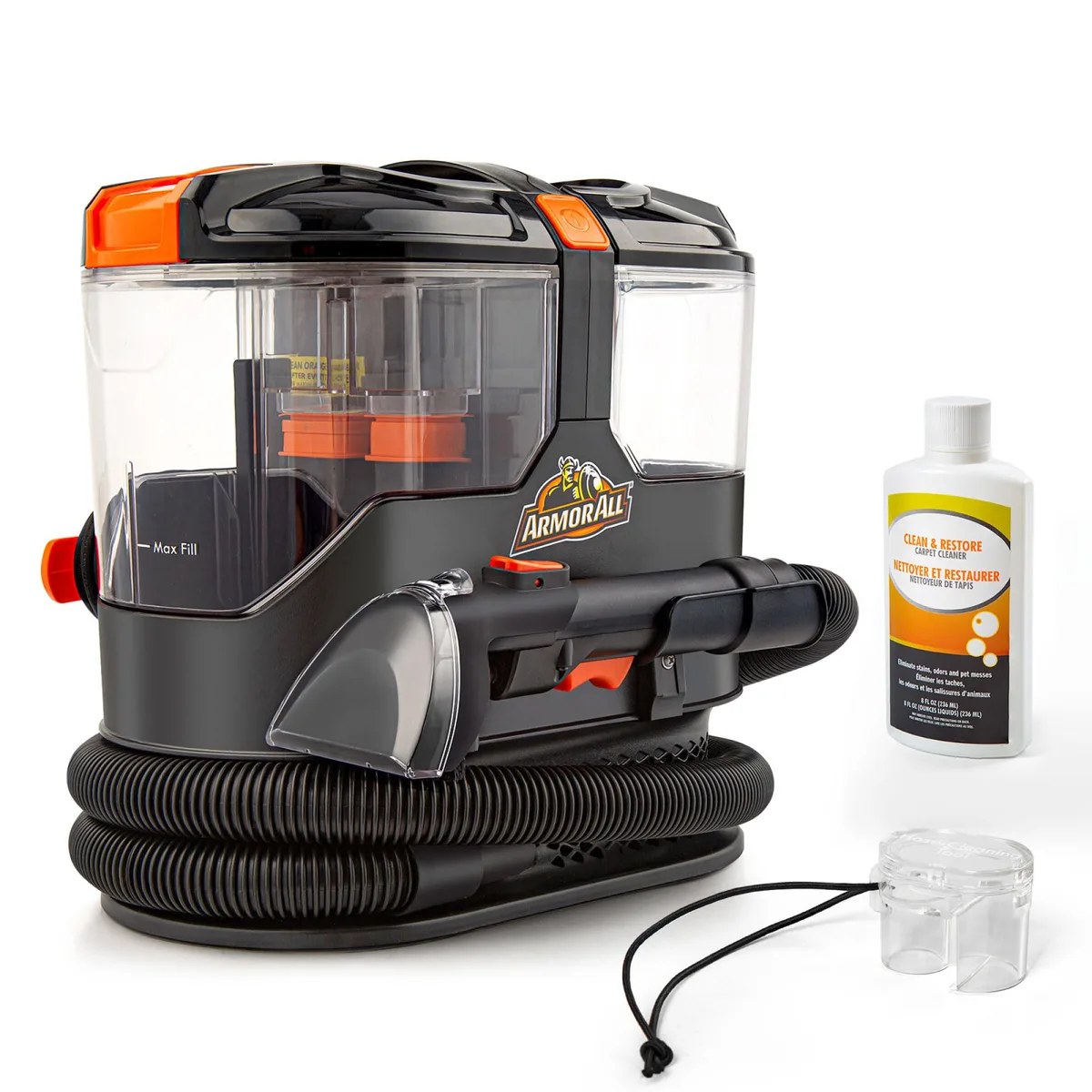
Image source: Bing (Web (fair-use with source credit))
Walk-behind models dominate industrial settings. Operators push substantial weight but gain massive fluid reserves. Productivity outweighs fatigue concerns for trained professionals.
Homeowners rarely justify such investment unless managing rentals.
Battery-powered units introduce new limitations. Power consumption drains cells alongside fluid usage. Heavy motors reduce battery life significantly.
Corded alternatives maintain consistent performance throughout tasks.
Evaluate your physical strength against machine weights. Struggling with equipment causes injury risks. Prioritize comfort over marginal gains in capacity.
Sustainable practices prevent burnout during repetitive cleaning cycles.
Manufacturers continue innovating lightweight materials. Carbon fiber components reduce overall mass without compromising durability. Future trends may blur lines between portability and power.
Stay informed about emerging tech advancements.
Common Pitfalls That Ruin Even Perfectly Sized Tanks
Ignoring filter maintenance is the top killer of extraction efficiency. Clogged inlet filters restrict water flow, starving the pump. This causes the clean tank to drain slower than expected.
Meanwhile, debris builds up in the recovery lines.
The dirty tank then fills with sludge instead of just water. This reduces usable volume significantly. You’ll hit the float switch prematurely.
Regular cleaning prevents this silent capacity loss. Always rinse filters after every single use.
Another mistake is overfilling the detergent reservoir. Too much soap creates excessive foam. Foam confuses sensors and blocks vacuum intake.
The machine thinks it’s full when it isn’t. This leads to erratic shut-offs and poor suction. Stick to recommended dilution ratios strictly.
Neglecting Pre-Vacuuming Steps
Skipping dry soil removal overwhelms the wet system. Grit turns into mud inside the tanks. Mud sticks to walls, reducing effective capacity.
It also damages internal seals over time.
Pre-vacuuming ensures only dissolved soils enter the cycle. This keeps the dirty tank cleaner longer. You get more true gallons of waste storage.
Don’t underestimate this simple preparatory step. It saves hours of scrubbing later.
Finally, leaving standing water in tanks breeds mold. Biofilm accumulates on interior surfaces. This odor persists even after rinsing.
Dry tanks completely between jobs. Store them upside down if possible. Hygiene matters as much as capacity.
Quick Reference: Typical Capacities by Machine Class
Understanding standard ranges helps you benchmark specs quickly. Portable spot cleaners usually hold under one gallon each. They suit small stains and quick touch-ups.
Runtime is limited to ten minutes or less.
Upright home washers typically offer two to three gallons. These balance power with manageable weight. They handle average-sized rooms efficiently.
Expect thirty to forty-five minutes of active work.
Commercial walk-behinds start at five gallons per tank. Some industrial models exceed ten gallons. These require dedicated utility sinks for refilling.
They serve large facilities continuously.
| Machine Type | Clean Tank (Gal) | Dirty Tank (Gal) | Best For |
|---|---|---|---|
| Portable Spot | 0.5 – 1.0 | 0.5 – 1.0 | Stairs, Upholstery |
| Upright Home | 2.0 – 3.0 | 1.5 – 2.5 | Whole Rooms |
| Commercial Walk-Behind | 5.0 – 10.0+ | 5.0 – 10.0+ | Offices, Hotels |
Verify these numbers against your specific needs. A homeowner rarely benefits from commercial sizes. Storage space becomes a major constraint.
Portability often trumps raw volume for domestic users. Choose the class that fits your lifestyle.
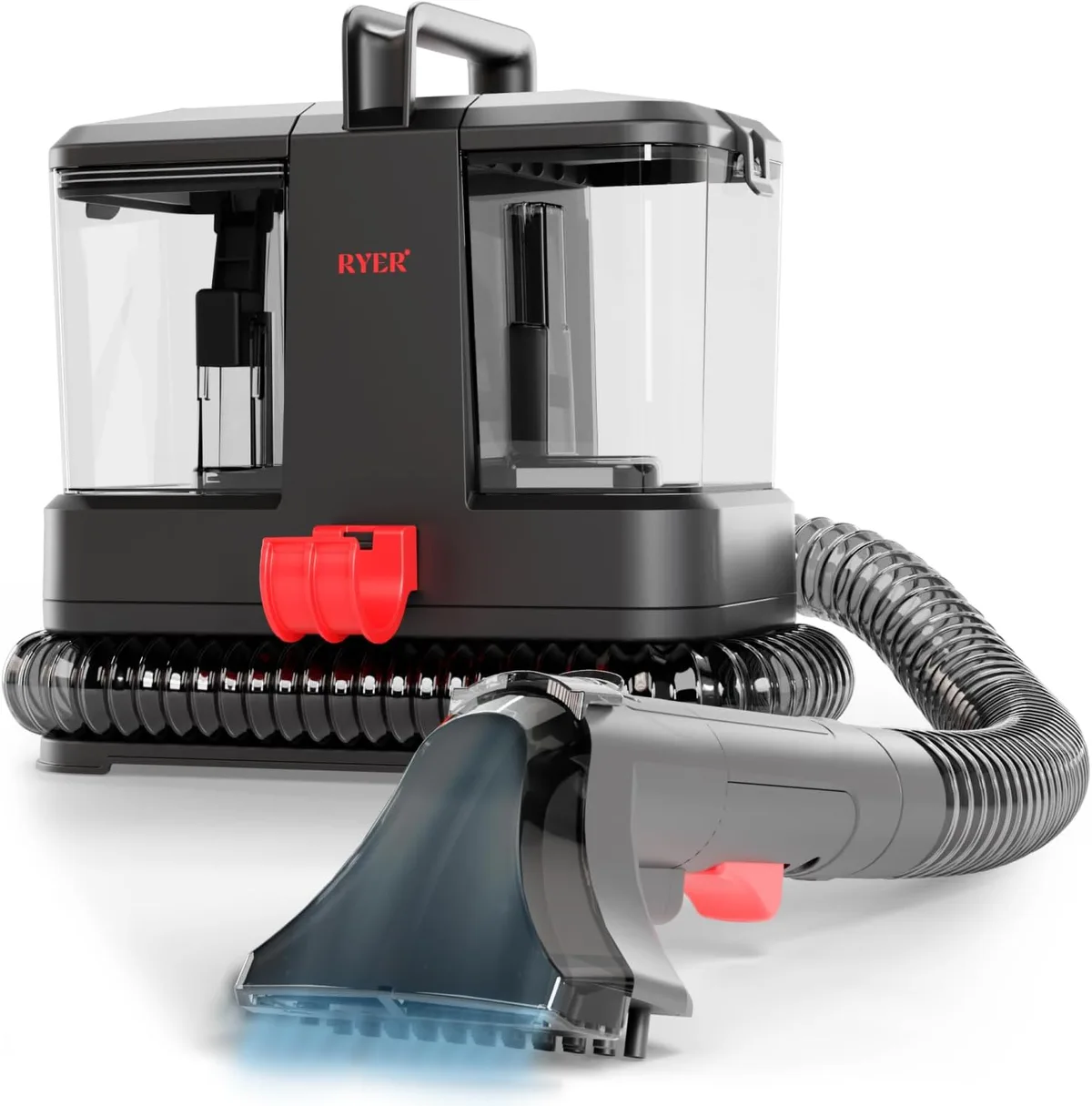
Image source: Web (Bing) / amazon.co.uk (Web image (fair-use with source credit))
Remember that manufacturer claims vary slightly. Always check user manuals for exact volumes. Real-world performance depends on technique too.
Aggressive spraying uses more solution faster. Gentle passes extend runtime considerably. Adjust expectations based on your method.
Frequently Asked Questions
Can I swap tanks between different models?
No, tank interfaces are proprietary to each brand. Bissell tanks don’t fit Hoover machines. Connections differ in size and locking mechanisms.
Attempting swaps risks leaks and damage. Buy compatible replacements from the manufacturer. Aftermarket options exist but verify fit carefully.
Mismatched seals cause vacuum loss. Always prioritize OEM parts for reliability.
Does a larger dirty tank mean better cleaning?
Not necessarily. Size alone doesn’t improve soil removal. Vacuum power and agitation do that work.
A huge tank just holds more waste. If suction is weak, dirt stays in fibers. Focus on amp ratings and PSI first.
Balance tank size with motor strength. Oversized tanks add unnecessary weight. Efficient extraction matters more than volume.
How often should I replace my tanks?
Plastic tanks last years with proper care. Cracks or warping signal replacement needs. UV exposure degrades polycarbonate over time.
Check for hairline fractures regularly. Replace immediately if leaks develop. Rubber gaskets wear out faster than plastic.
Swap seals annually for peak performance. Neglected seals reduce effective capacity. Proactive maintenance extends overall lifespan.
Are transparent tanks worth the extra cost?
Yes, visibility prevents unexpected stoppages. You can monitor fill levels instantly. No guessing games during busy jobs.
Opaque tanks hide nearing-full status. Surprises disrupt workflow momentum. Clear shells allow precise timing.
Pay attention to sediment buildup too. Transparency aids hygiene checks. The slight price premium pays off.
Practicality beats aesthetics here.

Similar Posts