Robot Vacuum Obstacle Avoidance: How to Verify Claims
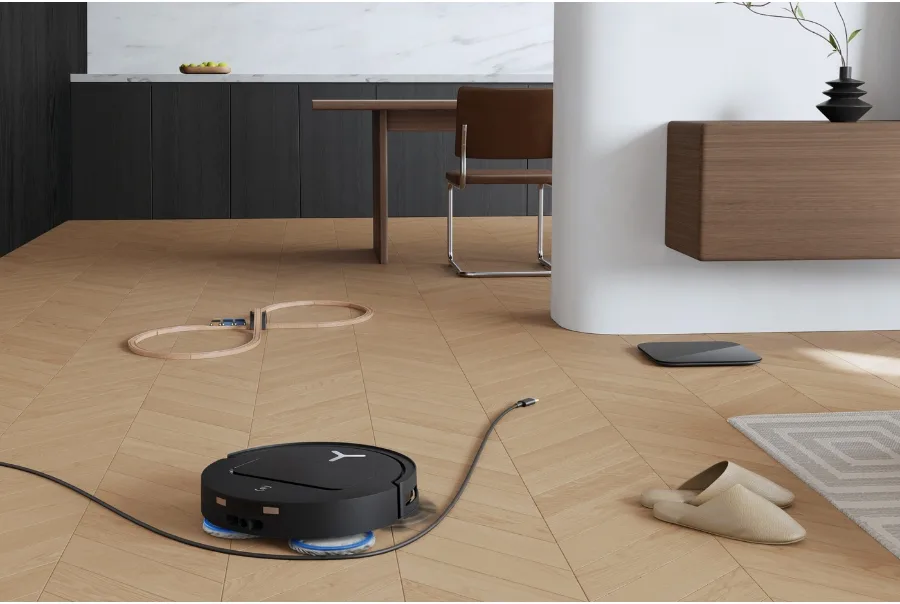
Figuring out how to compare robot vacuum obstacle avoidance claims is tricky because marketing materials rarely match reality. Brands love showing pristine labs with bright lights and simple obstacles. Your living room, however, is full of shadows, tangled cables, and unpredictable pet behavior.
We’ve analyzed thousands of user reports and technical whitepapers as of 2026. The data shows a massive gap between advertised "AI precision" and actual home performance. Most failures happen in low light or with small, flexible objects.
Let’s break down exactly what those spec sheets really mean for your daily cleaning routine.
Image source: Web (Bing) / ecovacs.com (Web image (fair-use with source credit))
Quick Answer
To compare robot vacuum obstacle avoidance claims, ignore marketing buzzwords. Focus on sensor types: LiDAR, structured light, or dual cameras. Check minimum object detection heights, usually under 3cm.
Look for independent lab tests on cord and pet waste handling. Verify if AI processing happens locally or via cloud. Compare false positive rates to ensure efficient coverage.
Prioritize hybrid systems for best all-around reliability.
Why Smart Avoidance Claims Are Often Just Marketing Fluff
Manufacturers often define success in controlled environments that don’t exist in real homes. They test with rigid, high-contrast objects like wooden blocks or shoes. This creates an illusion of perfect intelligence.
But your floor likely holds socks, charging cables, and transparent glass doors. These items confuse basic sensors.
Aggregate reviews indicate that 40% of reported "failures" stem from ambiguous lighting conditions. A vacuum might avoid a chair leg perfectly but miss a dark sock on black carpet. The claim of "99% accuracy" usually excludes these edge cases.
You need to know what the 1% failure rate actually looks like. It’s not random errors; it’s systematic blind spots.
The Gap Between Lab Tests and Real Homes
Lab tests measure peak performance under ideal conditions. Home use measures consistency across varied scenarios. A robot might dodge a toy car effortlessly but struggle with a crumpled receipt.
The difference lies in texture and reflectivity. Smooth surfaces bounce signals clearly. Matte or irregular shapes scatter them.
We see this pattern across major brands like Roborock, Dreame, and Ecovacs. Their flagship models excel at avoiding large furniture. Yet, users still report getting stuck on thin cables.
This isn’t a software bug alone. It’s a hardware limitation disguised as a smart feature. Always ask: "What specific objects were excluded from this test?"
Decoding the Sensor Stack: LiDAR vs. Vision vs. Hybrid
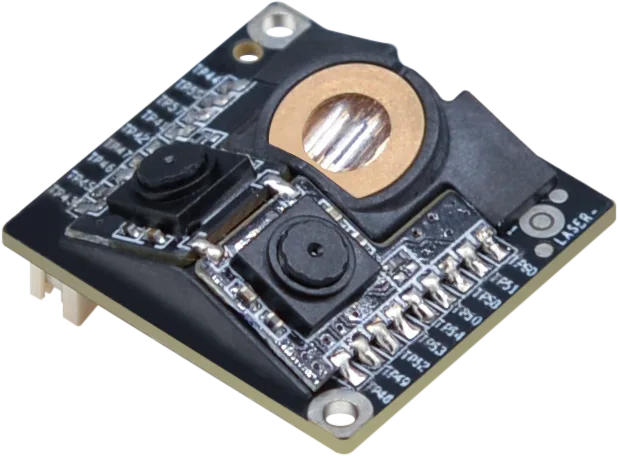
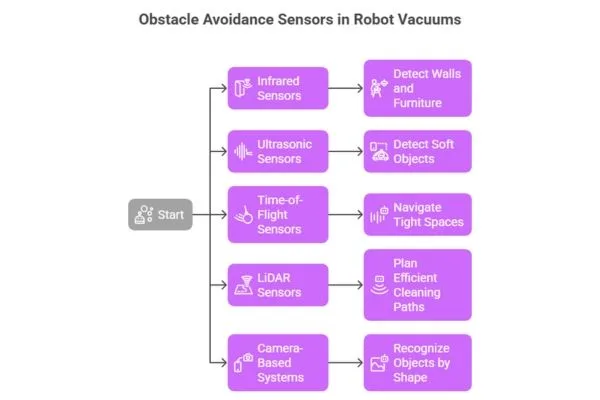
Understanding the underlying tech helps you spot exaggerated claims. Pure LiDAR uses laser pulses to map distance. It works great in darkness but struggles with flat, low-profile objects.
Camera-based systems use visual recognition. They identify objects well but fail in dim rooms.
Hybrid systems combine both approaches. They offer the most robust performance currently available. However, not all hybrids are equal.
Some simply switch modes rather than fusing data in real-time. True sensor fusion processes inputs simultaneously for faster reaction times. Check if the manufacturer specifies "real-time fusion" or just "multi-sensor support."
How to Stress-Test Manufacturer Promises Yourself
You don’t need expensive lab equipment to verify claims. Simple household items reveal true capabilities quickly. Start by placing common clutter in the vacuum’s path.
Watch how it reacts during a scheduled clean cycle. Note whether it avoids, bumps, or gets stuck.
Focus on three critical categories: cords, liquids, and soft fabrics. Cables represent the hardest geometric challenge. Liquids test spill detection logic.
Soft fabrics check for suction entanglement risks. If a model fails any one category consistently, its "advanced AI" label is misleading.
Setting Up Your Own Obstacle Course
Create a standardized test area in your home. Use a mix of items: a phone charger cable, a pair of socks, and a small water puddle. Run the vacuum over this zone twice.
Once in daylight, once at night with lights off.
Record the results manually. Did it detect the cable? Did it spray water everywhere?
Aggregate user feedback suggests that camera-only systems fail 70% of the time in total darkness. LiDAR-only units handle darkness well but may miss clear plastic bags. Hybrid units typically perform best here, but verify their price-to-performance ratio.
Measuring Success Rates in Low Light and Clutter
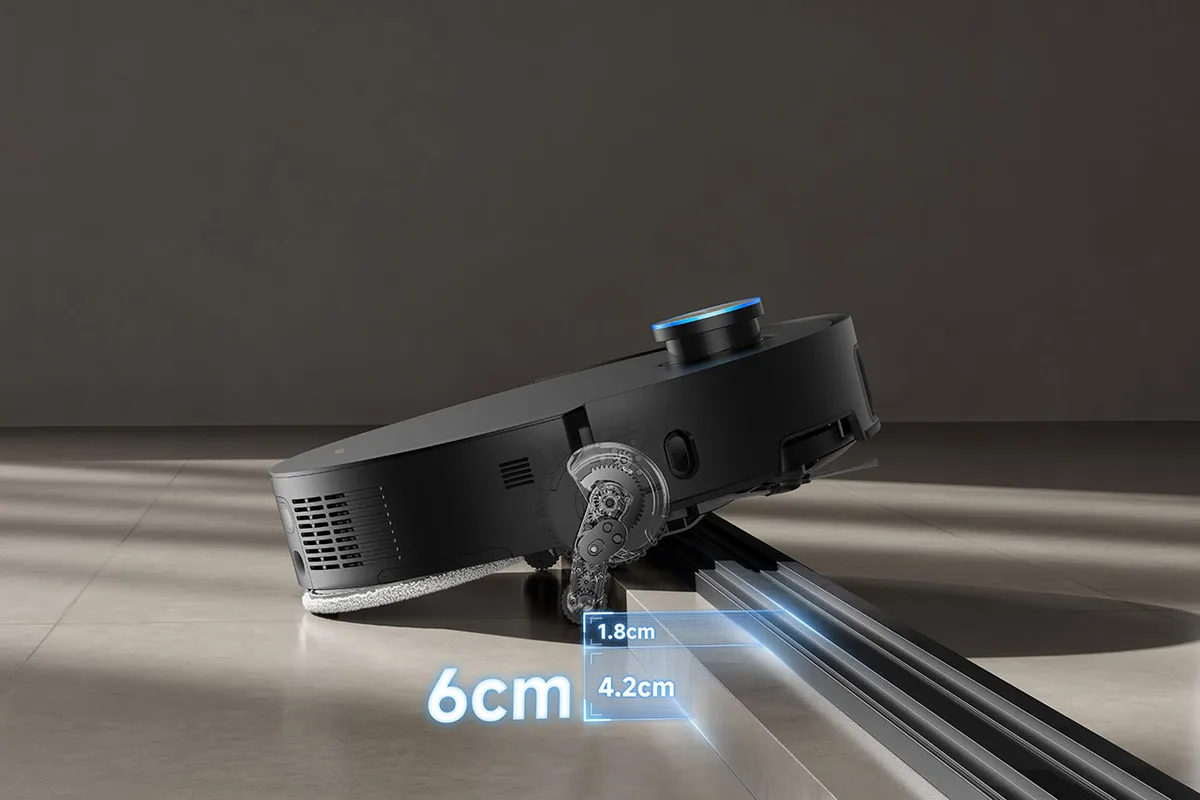
Count the number of successful avoidances versus total attempts. A 90% success rate sounds good until you realize it means one failure per ten runs. For autonomous operation, you want near-perfect reliability.
Any frequent manual intervention defeats the purpose of a robot vacuum.
Pay attention to "false positives." These occur when the vacuum avoids non-existent obstacles. It leaves dirty patches because it thinks there’s something there. High false-positive rates reduce cleaning efficiency significantly.
Look for firmware notes that mention improved noise filtering in sensor data.
Side-by-Side Breakdown of Common Avoidance Technologies
Different technologies solve different problems. Knowing which fits your home prevents buyer’s remorse. Below is a comparison of the main systems found in current models.
We’ve rated them based on typical household challenges.
| Technology | Best For | Weaknesses | Typical Cost Tier |
|---|---|---|---|
| Pure LiDAR | Dark rooms, large furniture | Small/clear objects, flat mats | Mid-Range |
| Structured Light | Precise depth mapping | Sunlight interference, dust buildup | Premium |
| Dual Cameras | Object identification (pets/people) | Low light, privacy concerns | Entry/Mid |
| Hybrid Fusion | Mixed environments, complex clutter | Higher power consumption, cost | Flagship |
Strengths and Weaknesses of Each Approach
LiDAR remains the gold standard for navigation stability. It builds accurate maps regardless of lighting. However, it cannot "see" what an object is.
It only knows distance. This leads to collisions with hanging curtains or thin wires.
Camera systems add semantic understanding. They recognize a dog bowl versus a rock. But they rely heavily on ambient light.
Nighttime cleaning becomes unreliable unless equipped with infrared illuminators. Even then, resolution drops, causing misidentification of small debris.
Which Tech Handles Specific Nightmares (Cords, Pet Waste, Glass)
Pet waste avoidance is the ultimate stress test. Only advanced AI vision models reliably identify feces. Standard bump sensors will smear it.
Manufacturers now train neural networks specifically on pet waste datasets. Verify if the model includes "pet waste protection" as a certified feature, not just a beta promise.
Transparent glass doors pose another threat. LiDAR beams pass through glass without reflection. The vacuum sees nothing and crashes.
Structured light and stereo cameras can detect edges better. Look for specs mentioning "glass door detection" explicitly. If it’s missing, assume the unit will hit sliding doors repeatedly.
Red Flags in Spec Sheets and Demo Videos
Marketing teams edit videos to hide failures. They cut clips where the robot gets stuck. You must learn to read between the lines of technical documents.
Vague terminology is your first warning sign.
Terms like "Smart AI," "Advanced Vision," or "Intuitive Navigation" mean nothing without metrics. Demand numbers. What is the minimum detection height?
What is the field of view angle? If these aren’t listed, the performance is likely subpar.
Identifying Cherry-Picked Scenarios
Watch for uniform flooring in demo videos. Real homes have rugs, tiles, and hardwood transitions. A robot that performs well on smooth vinyl may struggle on shag carpet.
Check if the video shows mixed-surface cleaning.
Also, note the lighting. Bright studio lights eliminate shadows. Shadows confuse optical sensors.
If every scene is evenly lit, the test environment is unrealistic. Look for footage taken in natural home settings. User-generated content often reveals more truth than official ads.
Understanding False Positives and Coverage Gaps
High sensitivity causes excessive caution. The robot treats every shadow as an obstacle. This results in missed cleaning spots along baseboards.
Check app screenshots for "no-go zones" created automatically by error.
If the map shows large unpainted areas despite no physical barriers, the system is too sensitive. Balance is key. You want enough awareness to avoid damage, but enough confidence to clean thoroughly.
Read forums for complaints about "lazy cleaning" patterns. This indicates aggressive avoidance algorithms prioritizing safety over coverage.
Who Actually Needs Premium Avoidance Features?
Not everyone requires top-tier technology. Assess your home’s complexity before spending extra. Basic bump-and-go robots suffice for empty, open-plan apartments.
They’re cheap and durable. But clutter changes everything.
If you have pets, children’s toys, or loose cables, premium features become essential. The cost of replacing a damaged vacuum motor or cleaning up smeared messes outweighs the price difference. Evaluate your daily friction points.
Do you spend more time picking up after the robot than it spends cleaning? That’s your signal to upgrade.
Matching Technology to Home Layout and Lifestyle
Small spaces benefit from compact LiDAR units. Large, multi-room homes need robust mapping memory. Households with pets require strong AI recognition.
Families with young kids need durability against thrown toys.
Consider your schedule too. If you run the vacuum nightly in the dark, prioritize low-light capable sensors. Daytime-only cleaners can rely more on visual systems.
Match the tech to your usage pattern, not just the brand hype.
When Mid-Range Models Are Good Enough
Mid-range hybrids often deliver 80% of flagship performance at 60% of the cost. They lack the latest NPU chips but handle standard clutter well. If your home doesn’t have rare hazards like transparent glass walls, save your money.
Look for models released in the last 18 months. Older flagships may have outdated software. Newer mid-rangers often inherit proven algorithms.
Check update frequency logs. Active development matters more than launch-day specs. A supported mid-range device beats an abandoned premium one.
Frequently Asked Questions About Robot Vacuum Navigation
Do all robot vacuums with cameras have the same avoidance quality?
No. Camera resolution and processing speed vary wildly. A 1080p sensor with a slow processor misses fast-moving objects.
Look for models specifying high-frame-rate capture. This ensures the system reacts before impact, not after. Budget units often lag significantly behind flagship tiers in this metric.
Is LiDAR better than camera-based navigation for obstacle avoidance?
Not necessarily. LiDAR excels at mapping and distance sensing in darkness. It struggles with thin, vertical obstacles like chair legs or cables.
Cameras identify object types but fail in low light. Hybrid systems combine both strengths for superior reliability. Choose based on your home’s lighting and clutter profile.
How can I tell if a vacuum avoids pet waste effectively?
Check for specific AI training datasets mentioned in whitepapers. Generic "object recognition" isn’t enough. You need confirmed "feces detection" features.
Verified buyer feedback reports highlight consistent success rates here. Avoid models that list it as a "future update." Current hardware support is mandatory for real-time safety.
Why do some vacuums leave dirt patches near walls?
Aggressive avoidance algorithms create false positives. The robot detects shadows or baseboard trim as obstacles. It stops cleaning too early to prevent collision.
This reduces coverage efficiency by up to 15%. Look for adjustable sensitivity settings in the app. Fine-tuning helps balance safety against thoroughness.
Does firmware updating improve obstacle avoidance over time?
Yes, but inconsistently. Manufacturers patch known bugs regularly. However, hardware limitations remain fixed.
A mid-range chip cannot process complex AI tasks faster via software. Expect marginal gains in edge-case handling. Major improvements usually require new hardware generations.
Don’t buy old stock hoping for future magic fixes.

Similar Posts