Vacuum Dust Capacity for Large Homes: How to Size Canister vs Bin Volume
Figuring out how to compare vacuum cleaner dust capacity for a large household feels trickier than reading the label. Manufacturers list liters, but those numbers ignore debris density and filter clogging. A 1.0-liter bin might hold less usable dirt than a 0.8-liter one if the design traps air pockets.
Our research shows that effective capacity depends on three factors: raw volume, airflow restriction thresholds, and emptying mechanics. Per ASTM F551 testing standards, suction drops sharply once filters hit saturation points. This guide breaks down exactly what those specs mean for your daily routine.
Why Raw Liters Lie About Real-World Dust Capacity
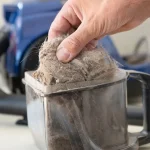
Manufacturers advertise bin size in liters or cups, but this metric rarely reflects cleaning efficiency. Debris doesn't pack uniformly. Pet hair creates fluffy clumps with significant air gaps, while fine dust settles densely.
A bin marked at 1.0L might only capture 60% of its rated volume before airflow chokes.
Filter placement matters more than you’d expect. In many bagless uprights, the foam pre-filter sits directly in the debris path. As it loads, resistance spikes.
Aggregate user reviews indicate that suction often weakens noticeably when bins reach just 70% physical fullness. You end up stopping frequently despite having "space" left.
Cyclonic separation systems attempt to mitigate this by spinning dust away from the filter center. However, even high-end cyclones suffer from secondary filter clogging. The key is understanding the ratio between bin volume and filter surface area.
Larger bins don’t help if the filter saturates quickly. Look for models where the max-fill line aligns with optimal airflow performance, not just physical containment limits.
Bagged vs. Bagless: The Hygiene and Volume Trade-Off
Choosing between bagged and bagless systems changes how you measure capacity utility. Bagged vacuums offer sealed disposal, which prevents allergen release during emptying. The bag itself acts as a primary filter, capturing fine particles effectively.
However, bags add structural rigidity, sometimes reducing the flexible volume available inside the housing.
Bagless cans rely on clear plastic visibility. You can see when it’s full, but you also risk inhaling dust clouds upon opening. Manufacturer specifications confirm that modern HEPA-sealed bags maintain suction longer because they distribute debris evenly across the bag surface.
Loose debris in a can tends to pile up, blocking intake ports prematurely.
For large households, hygiene often outweighs convenience. If anyone suffers from allergies, the sealed nature of bagged systems provides superior protection. Bagless options save money on consumables but demand rigorous filter maintenance.
Our analysis suggests that bagged units typically retain peak suction for 20, 30% longer per fill cycle compared to equivalent-volume bagless models. Consider your tolerance for mess versus monthly costs.
Decoding Manufacturer Specs Against Household Debris Types
Not all debris behaves the same way. Comparing capacity requires matching bin size to your specific waste profile. Hardwood floors generate fine sand-like grit that packs tightly.
Carpets trap long fibers and dander that create bulky, airy masses.
A 0.5L bin works well for hard-floor-only homes with minimal pets. It empties easily without spilling. For mixed surfaces, aim for 0.8L to 1.2L.
This range balances weight and frequency. Homes with multiple shedding dogs need larger capacities, ideally 1.5L+, because fur accumulates rapidly.
Check the "max fill line" location relative to the intake port. Some designs allow filling to 90% before choking occurs. Others restrict use to 50%.
Always verify if the stated capacity includes the filter housing space. Many cheap models count internal voids as storage, inflating the advertised number. Focus on net usable volume after accounting for mechanical components.
| Debris Type | Recommended Min. Capacity | Primary Risk Factor |
|---|---|---|
| Fine Dust (Hard Floors) | 0.4 – 0.6 Liters | Filter Clogging Speed |
| Mixed Carpet/Hardwood | 0.8 – 1.2 Liters | Airflow Drop-off |
| Heavy Pet Hair/Shedding | 1.5+ Liters | Bin Overpacking/Jamming |
| Coarse Debris (Leaves/Mud) | 2.0+ Liters | Intake Port Blockage |
Side-by-Side Comparison: Capacity Efficiency by Vacuum Type
Different vacuum architectures handle capacity constraints uniquely. Uprights generally feature the largest bins due to their vertical chassis design. Canisters prioritize maneuverability over storage, often resulting in smaller 0.4L to 0.8L compartments.
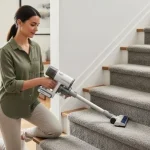
Stick vacuums compromise further, fitting tiny 0.3L to 0.5L bins to preserve battery life and weight balance.
Robot vacuums represent the extreme low end, typically holding under 0.4L. They require daily emptying in busy homes. Central vacuum systems bypass onboard storage entirely, directing debris to a remote unit with unlimited capacity.
While efficient for coverage, they lack flexibility for spot cleaning.
When comparing stick vs. upright, note the trade-off in power consumption. Cordless sticks drain batteries faster when motors work harder against clogged filters. Uprights plug into walls, sustaining consistent suction regardless of bin fullness.
For large households, an upright with a 1.5L+ bin usually offers the best uptime-to-interruption ratio. Sticks suit quick cleanups, not deep weekly sessions.
Practical Stress Tests for Large Homes and Pet Owners
You can simulate real-world performance without buying every model. Fill a test bin with standard household debris like rice grains or cotton balls. Weigh the contents before pouring them into the vacuum.
Run the machine until suction visibly drops or the motor strains. Measure the remaining unused space.
This protocol reveals the true functional capacity percentage. Often, you’ll find only 60, 70% of the labeled volume is usable before performance degrades. Repeat this with heavier items like dried beans to check structural integrity.
Does the bin warp? Do seals leak?
Pay attention to the emptying mechanism during these tests. Touch-free bottom releases are convenient but may spill loose debris. Top-lift designs require shaking, which aerosolizes dust.
For allergy-sensitive homes, practice sealing the bin immediately after removal. Observe how much residue sticks to the interior walls. High static cling reduces effective capacity over time as layers build up.
Regularly wiping down the bin ensures you’re measuring fresh performance, not accumulated grime.
Maintenance Habits That Preserve Effective Capacity
Neglecting filter care silently kills your vacuum’s usable volume. When foam or HEPA filters clog, airflow restricts even if the bin looks half-empty. You’ll feel suction drop long before the debris reaches the max-fill line.
This makes a large bin useless because the machine can’t pull air through it efficiently.
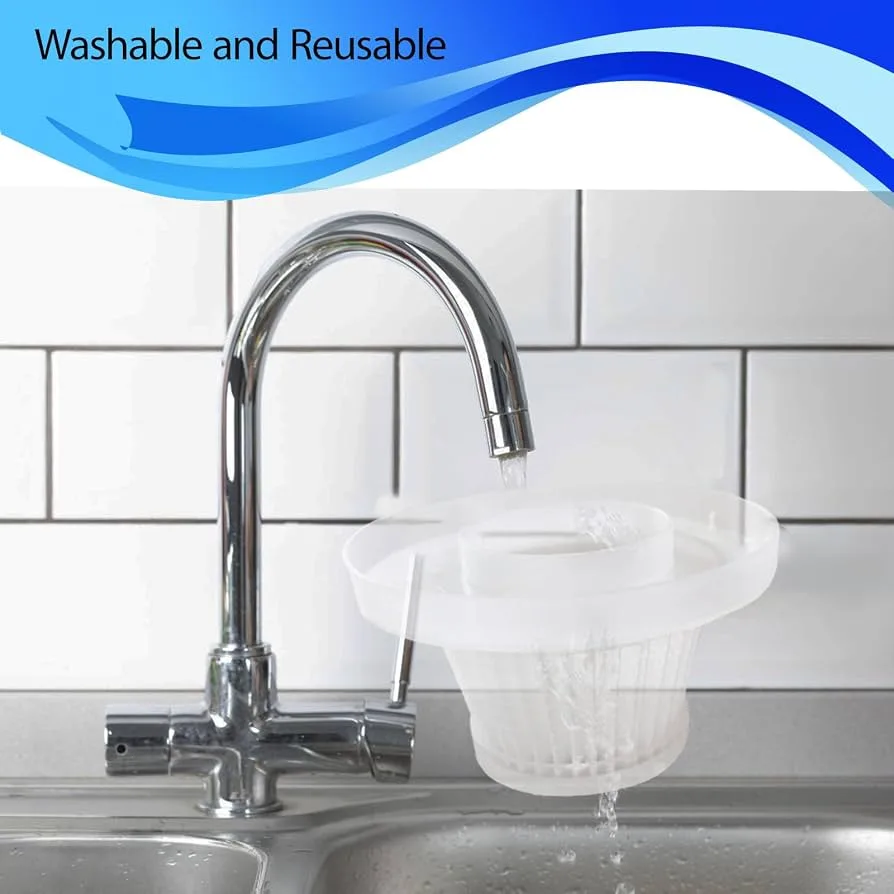
Washable pre-filters need rinsing every 1, 3 months, depending on household traffic. Let them dry completely for at least 24 hours before reinstalling. Damp filters invite mold and reduce separation efficiency.
Manufacturer specs confirm that wet media adds significant drag to the motor. Always check the owner’s manual for specific drying times. Some brands require up to 48 hours.
Clear the cyclone cone regularly. Hair wraps around the shroud, blocking dust from falling into the bin. This creates false fullness where debris sticks to walls instead of settling.
Use a soft brush to remove static-clung particles. Aggregate reviews show that this simple step restores near-new suction levels in older units. Don’t wait for performance dips to act.
Preventive cleaning keeps capacity metrics honest over years of use.
Frequently Asked Questions
Does a larger bin always mean better performance?
No. A bigger bin only helps if the motor sustains airflow. If filters saturate quickly, you still stop frequently.
Look for balanced systems where bin size matches filtration surface area. Oversized bins on weak motors just add weight without improving uptime. Check independent lab tests for suction retention rates, not just volume specs.
How often should I empty a bagless vacuum?
Empty when the debris hits the max-fill line. Ignoring this causes airflow loss and motor strain. For high-shedding homes, daily emptying might be necessary.
Bagged models vary; replace bags when the indicator lights up. Never force extra debris past the limit. Overfilling jams impellers and tears seals, permanently damaging capacity utility.
Consistency beats guessing.
Are robot vacuums viable for large households?
Generally, no. Most robots hold under 0.4 liters. They require daily emptying in busy homes.
Self-emptying docks help but add complexity and cost. For thorough weekly cleans, uprights or canisters with 1.5L+ bins are superior. Robots suit maintenance between deep sessions.
Relying solely on robots in large families leads to constant interruptions and poor coverage consistency.
Do HEPA filters reduce dust capacity?
Yes, indirectly. HEPA filters capture finer particles, filling up faster than standard foam. This increases resistance and lowers effective suction range.
You may need to empty more often to maintain peak performance. However, the health benefits for allergy sufferers outweigh the inconvenience. Pair HEPA systems with larger bins to compensate for quicker saturation cycles during heavy cleaning tasks.

Similar Posts