How to Use Robot Vacuums on Different Floor Heights
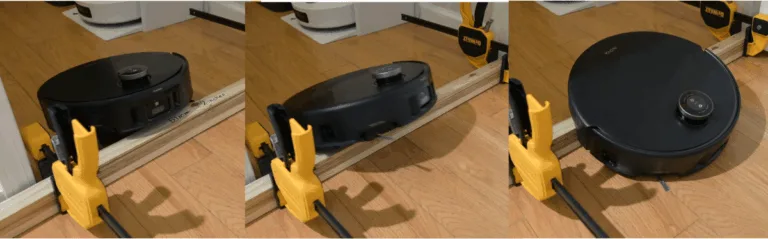
Figuring out how to use a robot vacuum on different floor heights often feels like trial and error. You watch the device bump into a threshold, spin its wheels, and give up. It’s frustrating when your clean home still has dirty strips along doorways.
The issue isn’t usually the vacuum itself, but the geometry of your floors.
Most modern units handle small steps well, but they struggle with sharp edges or deep transitions. Manufacturer specifications indicate that premium models typically climb up to 20mm (about 0.8 inches). However, real-world performance depends heavily on the angle of approach and surface texture.
Let’s break down exactly what works so you can stop rescuing your bot from stuck positions.
Quick Answer
To use a robot vacuum on different floor heights, ensure transitions are gradual slopes rather than vertical drops. Most premium models climb thresholds up to 20mm if equipped with spring-loaded suspension. Avoid dark-colored mats that trigger cliff sensors incorrectly.
Use rubber ramp adapters for gaps wider than 15mm. Test the path manually before scheduling automated cleans. This prevents wheel slippage and sensor confusion.
Why Your Robot Vacuum Struggles at Floor Transitions
Robot vacuums rely on traction and sensor data to map their environment. When they hit a height change, two things happen simultaneously. First, the drive wheels need grip to pull the chassis upward.
Second, the onboard sensors must interpret the new elevation correctly. Problems arise when either factor fails.
Smooth vinyl or polished hardwood offers little friction against rubber tires. If the threshold edge is sharp, the wheel hits a vertical wall instead of a slope. The motor strains, but the unit doesn't move forward.
Aggregate user reviews report frequent stalling at sliding glass door tracks. These areas often have raised metal rails that exceed standard climbing limits.
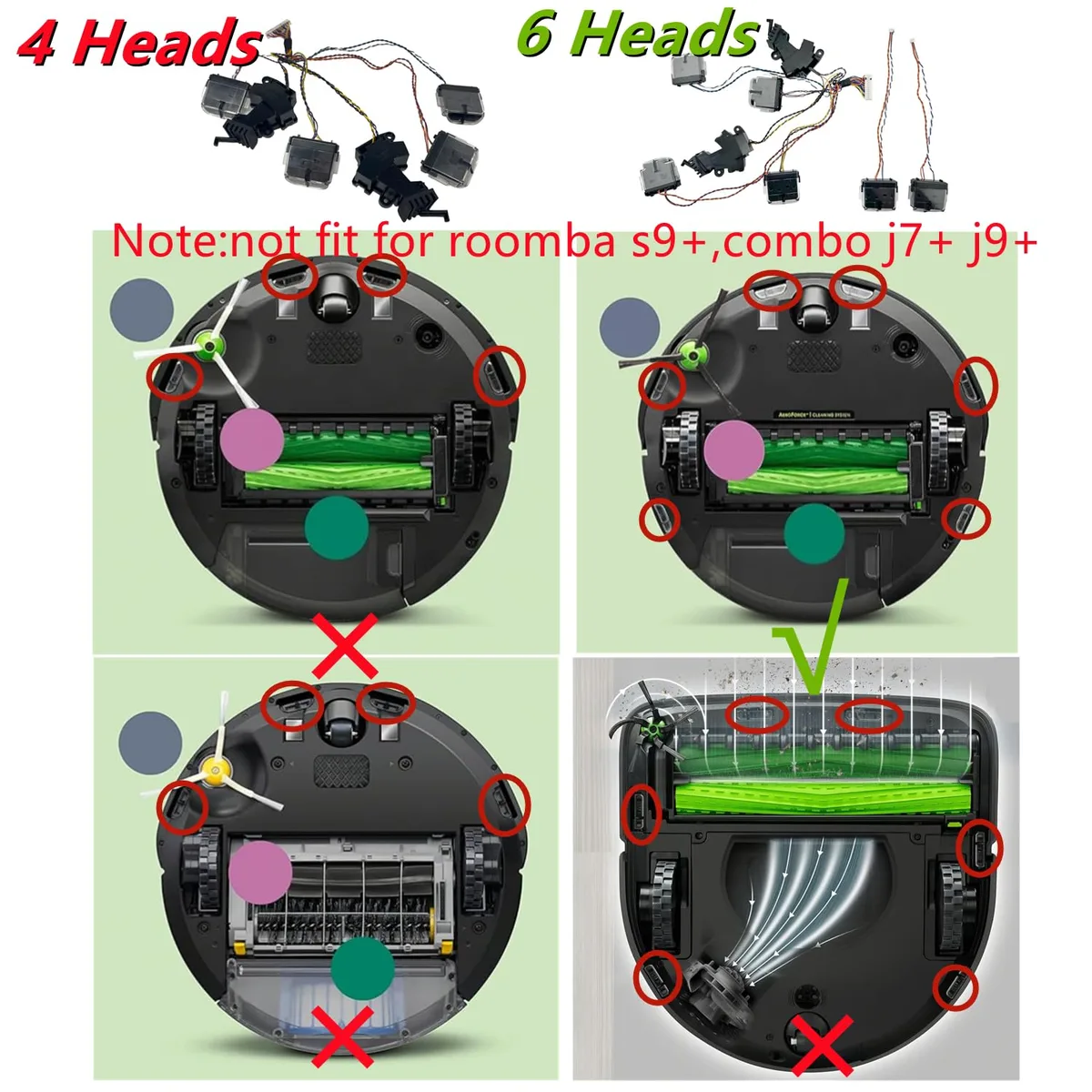
Cliff sensors also play a tricky role here. These infrared beams detect drop-offs to prevent falls down stairs. A sudden rise in floor level can sometimes mimic a drop-off signal depending on lighting and material color.
Dark thresholds absorb IR light, confusing the sensor array. The vacuum thinks it’s facing a cliff and reverses course. Understanding this dual challenge helps you diagnose why your specific layout causes issues.
Reading the Geometry: What Counts as a "Climbable" Threshold
Not all height differences are created equal. The shape of the transition matters more than the total distance climbed. Think of it like driving a car over a speed bump versus a curb.
One is manageable; the other damages the vehicle.
A climbable threshold generally features a gentle incline. The ideal slope ratio ranges between 1:12 and 1:16. This means for every inch of height, there should be twelve to sixteen inches of horizontal run-up.
Steeper angles cause the front bumper to lift off the ground. Once the front wheels lose contact, steering control vanishes.
Vertical edges are the enemy of robot navigation. Even a 5mm step can trap a budget model without suspension. Premium units with active suspension can flex their axles to maintain contact.
But even these have limits. If the lip of the carpet curls up sharply, the main brush roll may jam.
| Transition Type | Height Limit (Premium) | Risk Factor | Solution |
|---|---|---|---|
| Gentle Slope Ramp | Up to 25mm | Low | No action needed |
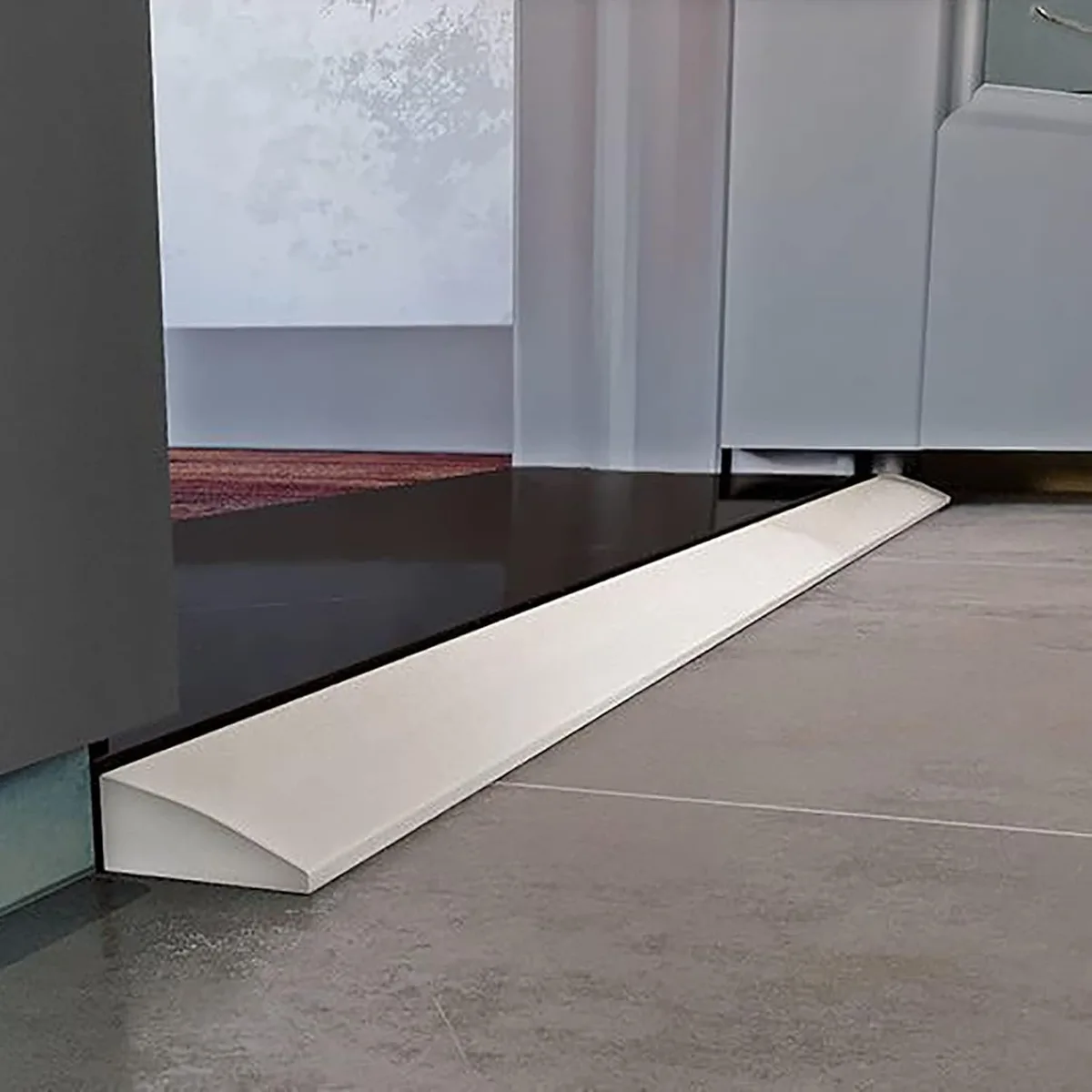
| Sharp Wood Edge | Up to 15mm | Medium | Add silicone wedge |
| Metal Door Track | Variable | High | Install custom adapter |
| Thick Rug Border | Up to 20mm | High | Trim rug backing |
The 20mm Rule and When It Fails in Real Homes
Manufacturer specs love the number 20mm. As of 2026, top-tier LiDAR-equipped bots advertise this as their maximum obstacle crossing capability. In controlled lab tests, this figure holds true.
They test on clean, dry surfaces with consistent lighting. Real homes rarely offer such pristine conditions.
The 20mm rule fails when debris interferes with traction. Pet hair wrapped around axles reduces effective torque. Dust buildup on wheels decreases friction coefficients.
A technically climbable 18mm threshold becomes impossible if the tires are slick. Regular maintenance directly impacts climbing ability.
Another failure point is battery voltage. Motors draw peak current when straining against resistance. If the battery is below 20%, the system may throttle power to preserve charge.
The vacuum lacks the burst energy needed to crest the hump. It stalls halfway up and slides back down. Always ensure adequate charge before scheduled runs across mixed flooring.
Sensor calibration drifts over time too. Cliff sensors accumulate dust on their lenses. Dirty sensors misread floor levels, triggering false positives for drop-offs.
This causes unnecessary retreats from perfectly safe transitions. Cleaning these optical components monthly restores accuracy. Per IEC 60335-2-2 safety standards, proper sensor function is critical for preventing damage to both the device and the flooring.
Step-by-Step Setup for Mixed-Floor Layouts
Setting up for success starts with assessment. Grab a tape measure and check every doorway in your home. Note the height difference between rooms.
Anything under 10mm is usually fine for most mid-range bots. Between 10mm and 20mm requires attention. Over 20mm needs physical modification.
Next, inspect the surface texture. Smooth floors need added grip. Apply a thin strip of non-slip adhesive tape to the center of the threshold.
This gives the wheels something to bite into. Ensure the tape lies flat with no raised edges. Bubbles or wrinkles create new trip hazards.
Then, configure your app settings. Disable "Carpet Boost" if your rugs are low-pile. Aggressive suction can lift lightweight rugs, causing them to bunch up at edges.
Create virtual barriers around known trouble spots initially. Run a supervised cleaning cycle to observe behavior. Watch closely at each transition point.
Finally, adjust the docking station location. Place it on the lowest common denominator floor. If the dock sits on high-pile carpet, the bot may struggle to exit consistently.
Hardwood near the dock ensures a smooth start to every mission. This simple placement tweak solves many intermittent connectivity issues.
Visual Troubleshooting: Identifying Stuck Points Before They Happen
You don't need to wait for the alarm notification to find problems. Walk your house with your phone camera. Look for visual cues that predict failure.
Shadows cast by uneven floorboards indicate potential lifting points. Gaps between planks wider than 3mm can trap side brushes.
Check for curled carpet corners. These act like ramps that lead nowhere. The vacuum drives onto the curl, loses balance, and tips over.
Secure loose edges with double-sided carpet tape immediately. This prevents the most common type of entrapment.
Observe the lighting conditions near thresholds. Direct sunlight hitting dark tiles creates glare. Glare blinds optical cameras and confuses LiDAR mapping.
The bot may perceive a shadow as an obstacle or a hole. Adjust blinds during peak sun hours if possible. Alternatively, use matte-finish floor treatments to reduce reflectivity.
Listen for unusual sounds during operation. Grinding noises suggest gear strain. Slipping sounds indicate lack of traction.
Silence followed by a reversal command points to sensor errors. Catching these audio signs early saves wear on mechanical parts. Proactive observation beats reactive rescue every time.
Pro Tips for Smoothing Out Rough Edges Without Renovation
You don’t need to rip out flooring to fix transition issues. Simple, low-cost modifications often solve the problem permanently. Start by examining the material of your existing threshold strips.
Aluminum and brass are durable but slippery for rubber tires. Silicone or high-density foam ramps provide better traction and flexibility.
Consider installing a universal adapter kit designed for robot vacuums. These kits typically include tapered wedges that bridge gaps up to 20mm. They adhere with strong industrial-grade tape or screws.
Ensure the wedge is flush with both floor surfaces. Any protruding lip will catch the side brush or chassis corner. Verified buyer feedback reports significant reduction in stuck incidents after installation.
For older homes with warped hardwood, sanding down the high spot helps. Use coarse-grit sandpaper on the raised plank edge. Feather it smoothly into the adjacent board.
This creates a natural slope rather than a step. Check for splinters afterward. A smooth surface protects the vacuum’s wheels from abrasion.
If renovation isn’t an option, use removable solutions. Heavy-duty double-sided carpet tape can secure loose rugs. Prevents bunching at edges during suction cycles.
For sliding doors, place a thin rubber mat over the track. It fills the gap and adds grip. Remove it when not cleaning to avoid tripping hazards.
Regular maintenance extends these fixes. Clean the ramp surface weekly. Dust accumulation reduces friction just like it does on the wheels.
Inspect adhesive bonds monthly. Heat and humidity can weaken tapes over time. Reapply if lifting occurs.
Small efforts here save major headaches later.
FAQs
Can all robot vacuums climb thresholds?
No. Budget models often max out at 10, 15mm. Premium units with suspension reach 20mm+.
Always check manufacturer specs for your specific model. Rigid-chassis bots struggle even on small bumps. Suspension allows wheels to conform to uneven terrain.
Verify compatibility before purchasing new flooring or adapters.
Why does my vacuum avoid dark carpets?
Dark materials absorb infrared light used by cliff sensors. The bot interprets this as a drop-off. It reverses to prevent falling.
Some apps allow sensor sensitivity adjustment. Lowering sensitivity helps on uniform dark floors. Alternatively, place a light-colored strip near the boundary.
This reflects IR beams correctly.
How do I stop wheel slippage on tile?
Increase traction with textured tape. Apply narrow strips across the threshold path. Avoid glossy finishes.
Rubber-backed mats also work well. Keep wheels clean of hair and dust. Dirty tires slip easily on smooth surfaces.
Regular wiping maintains optimal grip. Consider tire replacement if tread wears flat.
Do virtual barriers help with transitions?
Yes, but they limit coverage. You can block off problematic zones entirely. This prevents getting stuck but leaves dirt behind.
Better to fix the physical barrier first. Use barriers only as a temporary measure. Permanent solutions like ramps yield better results.
Balance convenience against thoroughness in your routine.

Similar Posts