How to Vacuum Stairs With Narrow Treads Safely
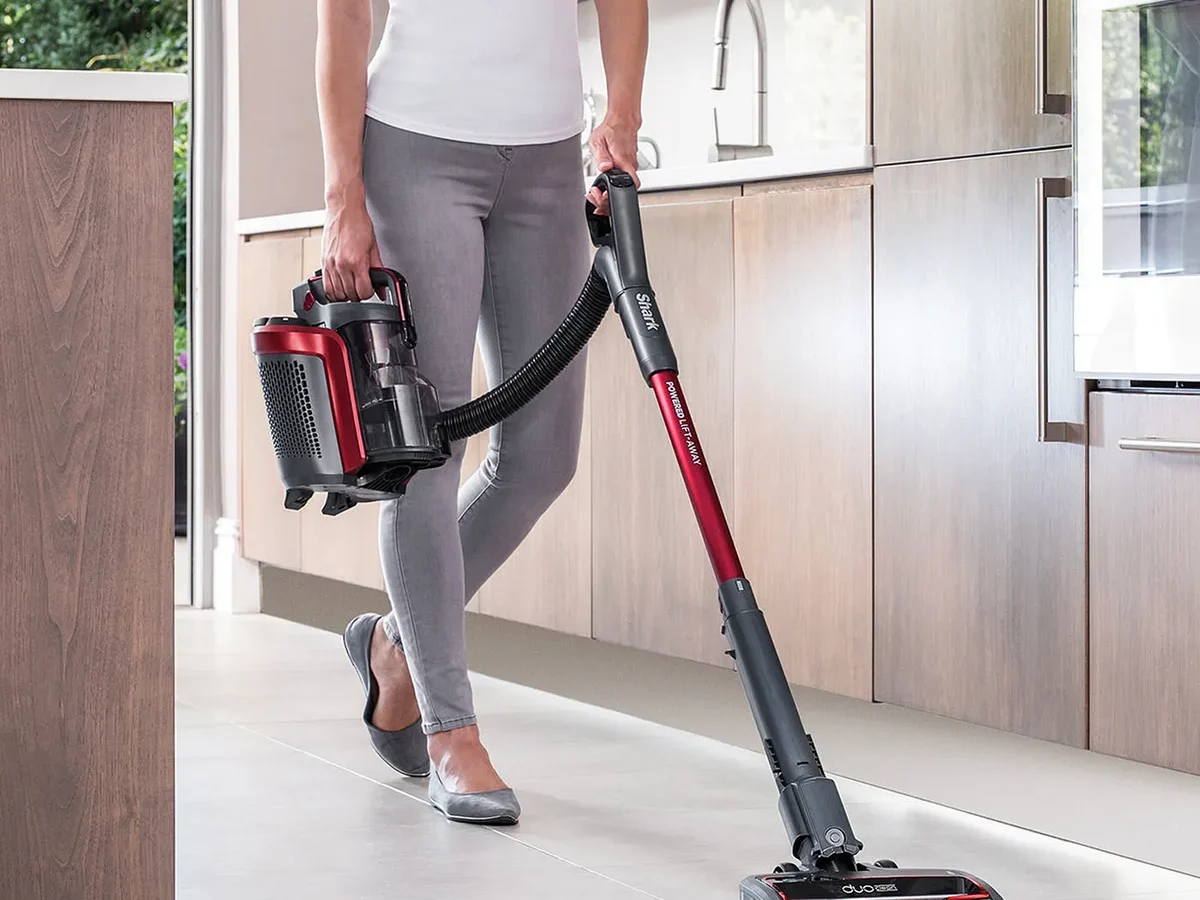
Figuring out how to use a vacuum on stairs with narrow treads is less about power and more about geometry. Most standard upright heads are simply too wide for steps under ten inches, causing them to tip or bounce off the edge. You end up pushing debris around rather than sucking it up, which wastes time and frustrates you.
The solution lies in changing your tool angle and attachment choice, not just your effort level. Building codes often specify minimum tread depths of 11 inches, but older homes frequently feature 8-inch or narrower designs. This discrepancy creates a cleaning gap that generic advice misses.
Let’s look at why your current setup fails visually and physically.
Why Your Standard Vacuum Head Fails on Narrow Treads
The core issue is the contact patch ratio. A typical upright vacuum head measures 12 to 14 inches wide. On an 8-inch tread, nearly half the nozzle hangs over the edge.
This lack of support causes the unit to pivot unpredictably. You’ll notice the front wheels spin freely while the rear drags, creating uneven suction.
Visualizing this helps clarify the failure mode. Imagine placing a ruler across a coin-sized hole. The ruler tips unless balanced perfectly.
Your vacuum head acts like that ruler. When it tilts, air leaks into the system through the gap between the brush roll and the step surface. This breaks the seal required for effective pickup.
Furthermore, narrow treads offer little room for error in steering. Wide bases require significant lateral space to turn. On tight stairs, you’re forced to lift and reset the unit repeatedly.
This motion scatters dust upward instead of capturing it. Manufacturer specifications indicate that optimal suction requires full perimeter sealing. Without it, even high-powered motors struggle to lift embedded dirt from carpet fibers or hardwood grain.
Choosing the Right Tool for Tight Spaces
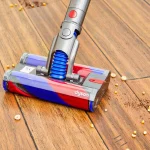
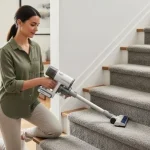
Selecting the correct equipment solves most geometric problems before you start. For narrow treads, lightweight stick vacuums or canister models with flexible hoses are superior to heavy uprights. They allow precise placement without the bulk of a motorized base fighting gravity.
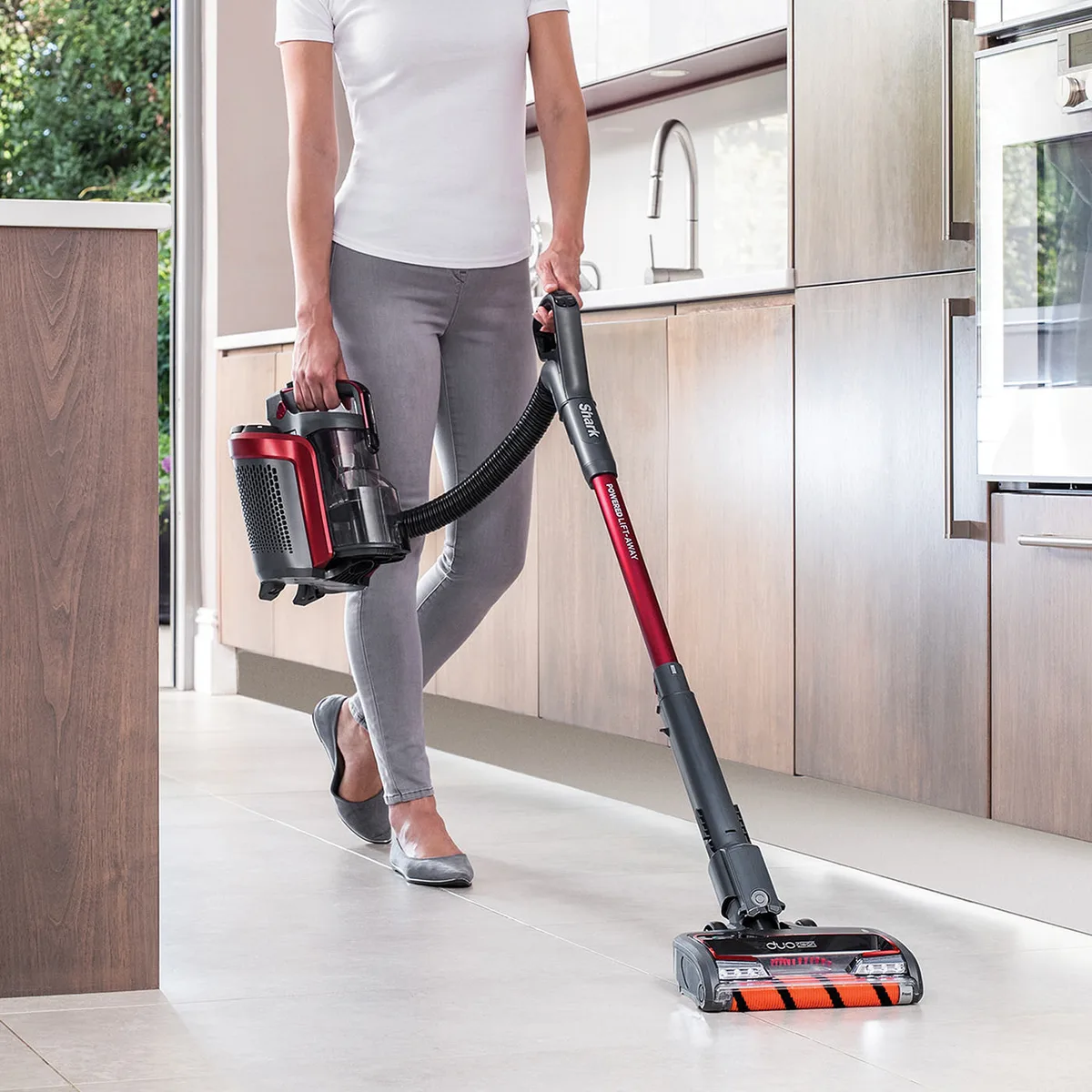
Image source: Bing (Web (fair-use with source credit))
You should prioritize attachments designed for edges. The dedicated stair tool usually features bristles or rubber strips along its sides. These create a temporary seal against the riser and tread junction.
If your vacuum lacks one, a crevice tool works well for hard floors, though it may scratch delicate finishes if used aggressively.
Consider these key attributes when evaluating your toolkit:
| Feature | Ideal Spec for Narrow Treads | Why It Matters |
|---|---|---|
| Weight | Under 8 lbs | Reduces arm fatigue during overhead holds |
| Width | Under 9 inches | Fits entirely within standard vintage treads |
| Hose Flexibility | High articulation | Allows angled approach without twisting wrist |
| Suction Control | Adjustable dial | Prevents scattering light debris on smooth surfaces |
Aggregate user reviews report that cordless sticks perform best here because they eliminate trip hazards. Cords snag easily on banisters and spindles found in older architecture. Battery life must exceed twenty minutes to cover multiple flights without interruption.
As of 2026, most premium cordless units meet this threshold comfortably.
The Top-Down Diagonal Technique
Once equipped, technique determines success. Never push straight up or pull straight down parallel to the riser. This limits contact area and increases slip risk.
Instead, adopt a diagonal stroke method. Hold the handle so the nozzle rests at a 45-degree angle relative to the tread surface.
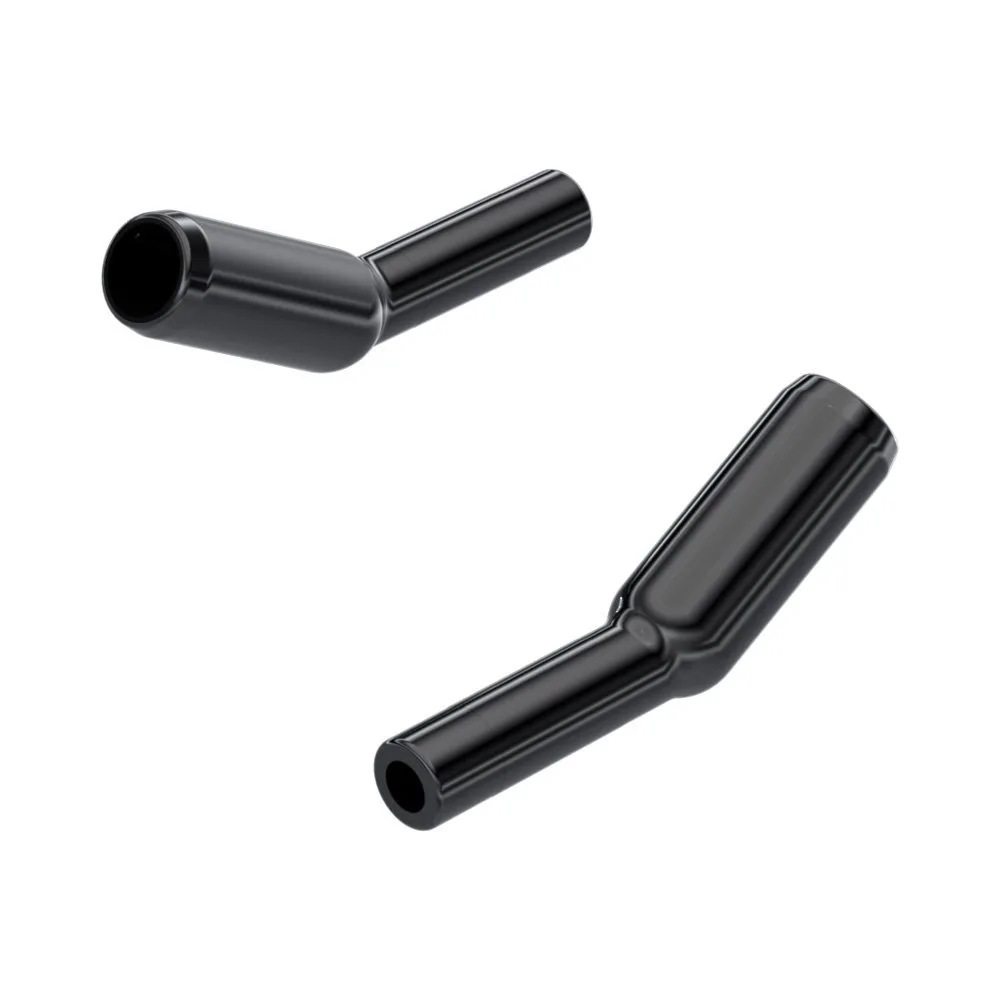
Image source: Web (Bing) / sps-international.com (Web image (fair-use with source credit))
Start at the highest landing. Work downward flight by flight. This prevents kicked-up dust from resettling on cleaned areas.
Place the leading corner of the nozzle on the far side of the tread. Pull diagonally toward your body, keeping the trailing edge lifted slightly until the last moment. This ensures the entire width engages sequentially.
For the riser-tread junction, switch to the crevice tool. Insert the narrow end into the 90-degree corner. Move slowly along the seam.
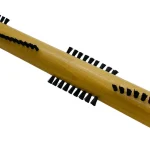
Do not force it. Gentle pressure maintains the seal. If using a soft-bristle brush attachment, sweep lightly to dislodge hair before vacuuming.
This two-pass system captures both loose surface dirt and embedded grit efficiently.
Managing cords remains critical if using a wired model. Loop excess cable over your shoulder or secure it to your belt. Keep the hose clear of balusters.
Tripping on stairs poses serious injury risks. Always verify footing before shifting weight. Safety protocols from OSHA emphasize stable stances when working at elevation, even for brief household tasks.
Common Visual Mistakes That Ruin Results
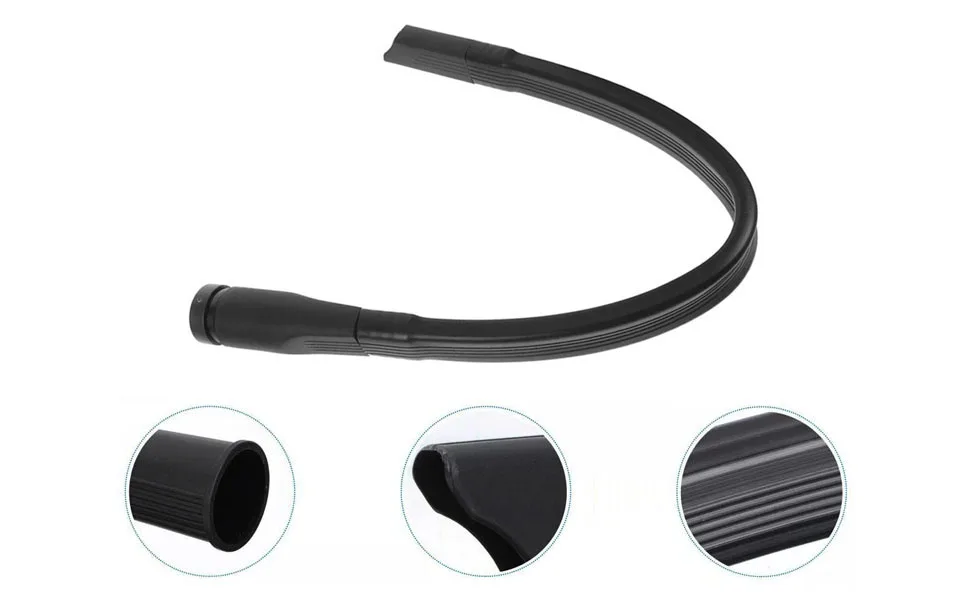
Image source: Web (Bing) / amazon.com (Web image (fair-use with source credit))
Many users fail because they ignore visual cues provided by their equipment. One frequent error is holding the handle too vertically. This lifts the front of the nozzle, breaking the suction seal.
You might hear a higher-pitched whine as air rushes in unchecked. Lower the handle angle to keep the base flush against the step.
Another mistake involves rushing the movement. Fast strokes don’t allow time for debris separation. Slow, deliberate passes ensure capture.
Watch for "chattering," where the head bounces rhythmically. This indicates insufficient weight distribution or excessive speed. Adjust your grip to apply steady downward pressure without crushing the mechanism.
Image source: Web (Bing) / amazon.com (Web image (fair-use with source credit))
Ignoring the "dead zone" behind balusters also reduces effectiveness. Spindles obstruct access to corners. Use a flexible wand extension to reach these spots.
Alternatively, remove the main head and attach the crevice tool directly to the hose. This provides maximum dexterity. Verify coverage by inspecting the path after each section.
Missed patches become visible once surrounding areas are clean.
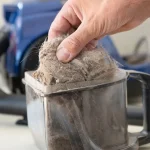
Finally, neglecting filter maintenance impacts performance significantly. Clogged filters reduce airflow, mimicking mechanical failure. Check manufacturer guidelines for cleaning intervals.
Dirty filters cause overheating and diminished suction power. Regular upkeep ensures consistent results throughout the job. Don’t assume new equipment performs optimally indefinitely without care.
Troubleshooting Specific Surface Challenges
Different materials demand tailored approaches. Hardwood stairs require softer touch to prevent scratches. Use microfiber pads or felt-lined attachments.
Avoid stiff plastic brushes. For carpet runners, increase suction power slightly to penetrate pile depth. Ensure the brush roll rotates freely; tangled hair stops agitation and leaves dirt behind.
Polished stone or tile presents slippage issues. Wheels lose traction on smooth surfaces. Wipe treads dry before starting.
Moisture reduces friction further. Consider wearing non-slip shoes for stability. If wheels still slide, place a small towel beneath the stationary foot for leverage.
Never jerk the vacuum abruptly. Smooth acceleration maintains control.
Pet owners face unique challenges with static cling. Synthetic stair covers attract hair magnetically. Lightly misting the surface with water-air mixture helps release strands.
Dry thoroughly before vacuuming. Anti-static sprays available commercially also assist. Test on inconspicuous areas first to avoid discoloration.
Consistency matters more than intensity here. Repeat passes yield better removal rates than single aggressive sweeps.
Frequently Asked Questions About Narrow Stair Vacuuming
Can I use a robot vacuum on narrow stairs?
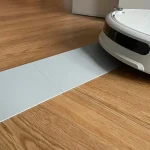
No, you cannot. Robot vacuums lack the climbing ability for any staircase, let alone narrow ones. Their sensors detect drops to prevent falls, so they stop at the edge.
Attempting to force them up risks tipping and damaging the unit or your steps. Manual intervention is always required for vertical surfaces. Save battery life for flat floors instead.
This limitation makes handheld tools essential for multi-story homes with tight architectural features.
How do I clean pet hair from narrow stair treads?
Start by loosening the hair with a rubber squeegee or damp glove. Pet fur clings statically to synthetic fibers, resisting suction initially. Once lifted, use the crevice tool to capture it before it resettles.
Work in short bursts along the riser junction where hair accumulates most. Regular grooming of pets reduces this buildup significantly. If hair wraps around the brush roll, cut it free immediately to maintain motor efficiency and prevent overheating during extended cleaning sessions.
Is it safe to vacuum wet spills on stairs?
Absolutely not. Never vacuum liquids unless your device is explicitly rated as a wet-dry model. Standard vacuums suffer electrical shorts and motor burnout when exposed to moisture.
Wet treads also increase slip hazards for both you and the machine. Clean spills manually with towels first. Allow surfaces to dry completely before resuming vacuuming.
This precaution protects your equipment investment and ensures personal safety on potentially slick, uneven stepping surfaces found in older residential buildings.
What if my vacuum head is still too wide?
Switch to the hose-only configuration. Detach the main floor nozzle and connect the extension wand directly to the hose inlet. This setup offers maximum precision for sub-9-inch treads.
You lose some agitation power but gain complete control over placement. Use the upholstery attachment for broad areas and the crevice tool for edges. This method eliminates the balance issues caused by oversized heads hanging off narrow ledges.
It requires more physical effort but guarantees thorough coverage without risking damage to trim or walls nearby.
How often should I replace vacuum filters for stair duty?
Check filters monthly if you clean stairs weekly. Dust accumulation on stairs differs from carpets due to gravity pulling debris into corners rather than deep pile. Clogged filters reduce suction, making narrow-tread cleaning ineffective.
Wash foam filters according to manufacturer instructions, typically every three months. Replace paper or HEPA filters annually or when visibly dirty. Neglecting this maintenance leads to poor performance and potential motor strain.
Consistent filter care ensures your vacuum maintains the necessary airflow to lift fine particles from tight, hard-to-reach geometric spaces effectively.

Similar Posts