Stop Brush Roll Damage: Protect Delicate Carpets Now
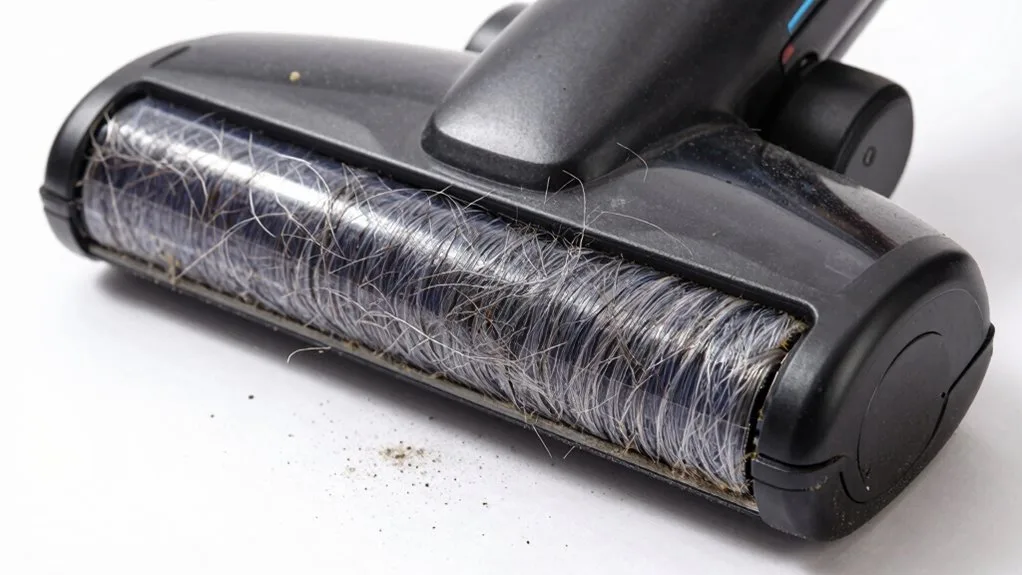
Learning how to avoid brush roll damage on delicate carpets saves your expensive flooring from frayed threads and bald spots. A standard vacuum roller spins at thousands of revolutions per minute, which acts like coarse sandpaper on fragile weaves.
Research across textile preservation guides confirms that mechanical agitation causes up to 80 percent of premature fiber wear in hand-woven rugs. Taking a minute to adjust your cleaning routine protects your investment while still lifting out deep dirt.
Image source: Web (Bing) / bestvacuumexpert.com (Web image (fair-use with source credit))
Quick Answer
To prevent brush roll damage, turn the roller switch completely off. Use pure suction instead. Raise the vacuum head to its highest manual setting.
Never run spinning bristles over fringes, loose loops, or natural fibers. Clean in slow, straight passes along the carpet grain.
Start Here: Diagnose Your Carpet Before You Vacuum
Before plugging in your vacuum, you need to know what you are standing on. Different textiles handle friction in radically different ways.
Identify Fiber Type and Pile Height
Natural fibers like wool, silk, and plant materials need a gentle touch. Silk and viscose have fragile, delicate strands that snap under high-speed agitation. Wool is resilient, but spinning nylon bristles will shred its natural protective cuticles over time.
Synthetic fibers like nylon and polyester handle friction much better. Even with synthetics, looped styles like Berber can catch on a roller and unravel in seconds. Feel the pile with your hand to gauge the thickness and identify whether the strands are cut or looped.
Check Your Machine’s Settings Panel
Modern vacuums usually offer direct control over the floor head. Look for a rocker switch or dial labeled "Brush Roll," "Hard Floor," or "Carpet Height."
If your vacuum lacks a shut-off switch for the roller, check for a manual height adjustment lever. Raising the base plate lifts the bristles completely off the floor surface. This setup allows the airflow to lift dirt without physical contact from the agitator.
| Carpet Category | Fiber Examples | Recommended Roller Setting |
|---|---|---|
| Ultra-Delicate | Silk, Viscose, Bamboo Silk | Brush Roll OFF (Suction Only) |
| Natural Flatweave | Jute, Sisal, Seagrass | Brush Roll OFF (Suction Only) |
| Looped Weaves | Wool Berber, Cable Knit | Brush Roll OFF (Suction Only) |
| Cut-Pile Wool | Hand-knotted Persian, Tufted | Brush Roll OFF or Extra-High |
| Standard Synthetic | Nylon, Polyester Cut-Pile | Brush Roll ON (Medium Height) |
The Decision Tree: Match Technique to Texture
Adjusting your vacuuming technique to match your carpet prevents costly repair bills. Use this simple rule system to pick the safest method before starting.
Image source: Bing (Web (fair-use with source credit))
Scenario A: High-Pile Wool or Silk (Turn Brush Off)
If you are cleaning high-pile wool or genuine silk, turn the brush roll completely off. These luxury textiles shed easily when beaten with stiff plastic tines.
Rely strictly on high-airflow suction to pull dust from the base of the backing. If your machine bogs down and seals against the floor, open the suction relief valve on the handle. This preserves airflow while keeping the delicate yarn intact.
Scenario B: Low-Pile Synthetic or Blends (Adjust Height, Keep On)
If your floor has standard low-pile synthetic carpet, you can safely leave the brush roll running. The spinning action helps shake loose embedded grit that suction alone might miss.
Set the nozzle height to a medium-high position. The bristles should lightly graze the very tips of the fibers without dragging the vacuum down. If you feel strong resistance when pushing the wand forward, raise the head by one notch.
Scenario C: Natural Fibers Like Sisal or Jute (No Agitation Allowed)
If you have plant-based floor coverings like sisal, sea grass, or jute, never use a spinning roller. These materials consist of woody, bound plant strands that splinter under mechanical friction.
According to maintenance guidelines from the Carpet and Rug Institute, abrasive agitation pulls apart plant fibers and creates permanent fuzzy patches. Switch your machine to hard-floor mode. Use a straight suction nozzle or a specialized horsehair floor brush instead.
Step-by-Step: How to Clean Without Crushing the Nap
Preserving fine rugs requires a methodical vacuuming sequence. Moving too quickly or pressing down firmly causes immediate damage to fine fabrics.
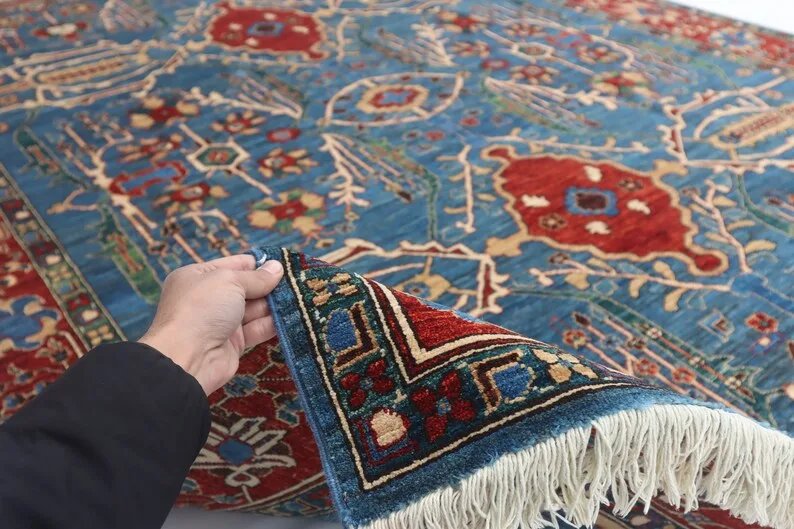
Image source: Bing (Web (fair-use with source credit))
Prep Work: Inspect for Loose Threads and Debris
Start by scanning the entire surface for small pebbles, coins, or pulled loops. Hard debris caught in a vacuum head can scratch floors and slice through delicate warps.
- Tuck all exterior fringe tassels completely under the rug edges so they cannot enter the suction chamber.
- Snip any long, pulled threads flush with the pile surface using sharp fabric scissors.
- Empty the dust canister or replace the bag so the motor pulls with maximum suction power.
Execution: Directional Passes and Speed Control
Rub your hand across the rug surface to locate the natural direction of the nap. One direction feels smooth, while the other feels rough and pushes the strands upward.
Always push the vacuum nozzle in the direction of the smooth lay. Walk at a measured pace, roughly one foot per second. Overlap your passes by two inches to catch all surface dust without grinding the nozzle back and forth over the same spot.
Post-Clean Grooming: Restoring the Lift
Using suction alone can sometimes leave heavy wool or plush rugs looking slightly compacted. You can restore the natural visual loft without running abrasive machinery across the fibers.
Take a dedicated carpet rake or a wide-toothed grooming brush with soft rubber tips. Lightly comb through the pile against the nap to lift the strands back upright. This lets air circulate through the weave and keeps the texture feeling soft underfoot.
Common Mistakes That Ruin Delicate Rugs Fast
Most floor damage happens from small oversights rather than intentional abuse. Avoiding these three frequent errors will keep your rugs looking new for decades.
Using "Carpet Mode" on Hard Floor Settings
Many upright vacuums feature an automatic floor selector switch. Running "Carpet Mode" spins the brush bar at its highest possible velocity.
On delicate antique pieces, this intense spin creates immediate fiber burn, where friction melts synthetic yarns or scorches natural wool. Always double-check your floor head settings manually before setting the vacuum down on an expensive rug.
Ignoring the Beater Bar Jam Indicator
Modern vacuum cleaners built as of 2026 feature an LED indicator light showing roller status. If this light turns red, the roller has caught a thread or bound up with debris.
Continuing to run the motor when the roller is jammed causes extreme belt friction and heats up the plastic casing. That concentrated heat transfers directly to the carpet pile underneath, leaving a permanent brown melt mark in seconds. Stop the machine immediately if the brush stops spinning freely.
Over-Vacuuming Static-Prone Areas
Dry indoor air causes fine synthetic and wool fibers to generate static electricity. This static charge bonds pet hair and fine dust tightly to the base of the carpet pile.
Running the vacuum over the same patch ten times will not overcome static cling, but it will fuzz the yarn. Instead of grinding the machine down, mist the area very lightly with an anti-static spray or plain distilled water. Let it sit for two minutes, then make one slow, suction-only pass to lift the loosened debris.
When to Skip the Vacuum Entirely
Some floor coverings are simply too fragile for modern vacuum cleaners. In these specific cases, manual cleaning methods protect your rugs from catastrophic structural damage.
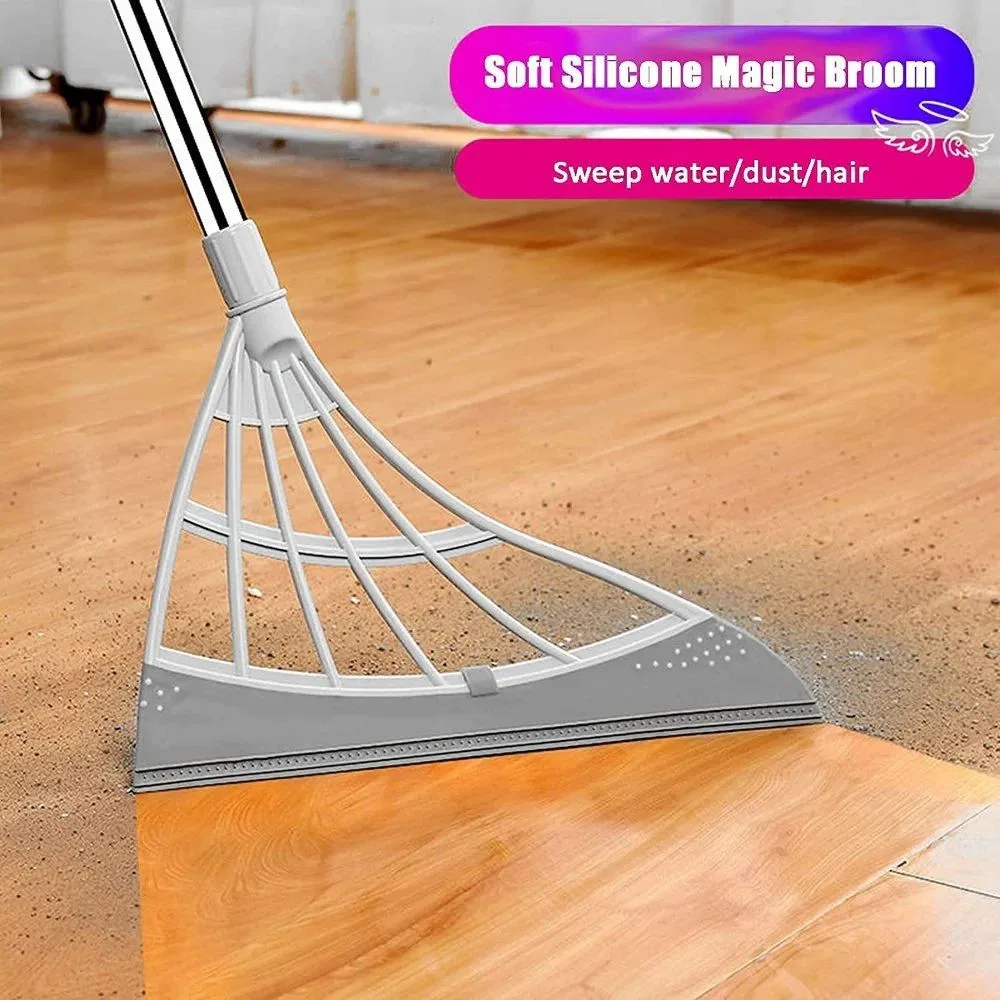
Image source: Bing (Web (fair-use with source credit))
Heirloom Rugs with Fragile Fringes
Hand-tied fringes are the structural backbone of an authentic woven rug. If a vacuum brush catches a single tassel, it can unravel inches of knotted foundation in a fraction of a second.
Never run any vacuum nozzle over the fringe boundary. Instead, comb the tassels out by hand with a wide-tooth comb. If the fringes collect dust, flip the rug edge over and vacuum only the sturdy back side of the weave.
Deep Stains Requiring Spot Treatment First
Never try to vacuum up sticky spills, mud, or pet accidents using a standard floor head. The spinning brush roll smears the wet material deep into the backing and coats the inner mechanical housing.
Blot liquid spills immediately using clean, un-dyed cotton towels. Work from the outside edge of the stain toward the center to avoid spreading the spot. Let the area dry completely before using any suction tool on the treated fibers.
Maintenance Alternatives: Microfiber Sweeping vs. Suction Only
For everyday maintenance on ultra-thin vintage runners, mechanical suction might be excessive. Manual tools remove dust efficiently while eliminating mechanical risk entirely.
- Microfiber Brooms: Flat electrostatic sweepers glide across flat-weave rugs, gathering hair and lint without pulling on loose threads.
- Rubber Squeegees: A handheld rubber squeegee rakes across wool surfaces to lift embedded pet fur with zero fiber abrasion.
- Traditional Rug Beating: Take small area rugs outdoors, drape them over a sturdy porch rail, and tap the back firmly with a woven rug beater to dislodge deep soil.
Pro Tips for Long-Term Rug Preservation
Keeping fine carpets in peak condition requires a few simple maintenance habits. A little preventative care prevents the need for aggressive cleaning later on.
Regular Brush Roll Cleaning Schedule
Hair, thread, and string wrap tightly around the roller axle during normal household cleaning. As this debris builds up, it locks the bearings and forces the brush to drag unevenly across your rugs.
Inspect the bottom of your vacuum head once every month. Use a pair of small scissors or a seam ripper to slice through wound hair along the designated roller groove. Pull the tangled mess free so the roller spins freely without motor resistance.
Rotating Area Rugs to Even Out Wear
Foot traffic naturally wears down specific paths across living room rugs. Sunlight from nearby windows also slowly weakens organic fibers over years of exposure.
Turn your area rugs 180 degrees every six months. This simple rotation distributes foot traffic across both ends of the textile. It prevents specific sections from wearing thin while keeping colors balanced throughout the room.
Investing in Attachments Over New Machines
You do not need to buy an entirely new vacuum just to protect a delicate rug. Most vacuum brands use standardized friction-fit hose wands that accept aftermarket cleaning tools.
Buy a dedicated horsehair parquet brush or a flat suction-only nozzle for your extension wand. These attachments contain zero moving parts to snag delicate threads. Soft natural bristles gently dust the surface while pure suction pulls grit from deep inside the pile.
Frequently Asked Questions About Brush Roll Safety
Can a vacuum brush roll ruin a wool rug?
Yes, a spinning brush roll can ruin a wool rug. The stiff plastic bristles snag loose wool loops, pull out delicate pile tufts, and cause surface fuzzing known as pilling. For wool, switch the brush roll off and clean using straight suction only.
What should I do if my vacuum lacks a brush shut-off switch?
If your vacuum cannot turn off its brush roll, raise the nozzle height to its highest setting. This lifts the spinning bristles above the carpet surface. Alternatively, use your hose with a bare-floor tool or an upholstery attachment to clean the rug without spinning parts.
How do I vacuum rugs with delicate fringe edges?
Never run a vacuum head over carpet fringes. The spinning roller will grab the loose strands and pull them into the axle, ripping the foundation threads. Vacuum only the main body of the rug, and clean the fringes manually using a soft hand brush.
Is suction-only vacuuming enough to clean a rug?
Suction-only vacuuming is sufficient for routine cleaning on delicate carpets. High-velocity airflow pulls out surface dust, pet dander, and loose debris without mechanical wear. For heavy, deep-seated soil, occasional professional cleaning or gentle manual beating outdoors handles the rest safely.
How often should I clean delicate area rugs?
Vacuum high-traffic delicate rugs once a week using suction-only tools. Low-traffic accent rugs only need cleaning every two to three weeks. Over-vacuuming delicate materials increases physical friction unnecessarily, which wears down fine hand-spun yarns over time.
Pro Tips for Long-Term Rug Preservation
Keeping your delicate carpets looking pristine isn’t just about the initial vacuum pass. It’s a maintenance habit that pays off in years of added life to your flooring. We’ve found that small, consistent actions prevent major repairs down the line.
First, check your brush roll weekly. Hair and thread wrap around the ends quickly. This creates drag and uneven pressure on fibers.
Cut away debris with scissors before it jams the motor or snags new material. A clean roller glides smoothly.
Rotate your area rugs every three months. High-traffic zones wear faster than corners. Rotation distributes the load evenly across the entire surface.
This prevents bald spots and keeps the pile height uniform. Your rug will age gracefully instead of deteriorating in patches.
Consider attachments over buying a new machine. Most modern vacuums come with soft-bristle heads. These are designed specifically for hard floors but work wonders on low-pile synthetics too.
If you lack one, buy a universal soft-floor tool. They cost less than fifty dollars and save hundreds in rug replacements.
Finally, store your vacuum upright when not in use. Laying it flat puts constant pressure on the bristles. Over time, this bends them permanently.
Bent bristles dig into carpet loops rather than sweeping over them. Keep the head elevated to maintain its shape and effectiveness.
Frequently Asked Questions About Brush Roll Safety
Can I use a robot vacuum on shag rugs?
Generally, no. Robot vacuums rely on fixed-height brushes that cannot adjust to deep piles. The long fibers will tangle instantly around the wheels and rollers.
This often jams the device permanently. Stick to manual canister vacuums with brush-off settings for shag textures.
Does turning off the brush reduce cleaning power?
Yes, slightly. Agitation helps loosen embedded dirt from tight weaves. However, suction alone removes surface dust effectively.
For delicate items, losing some agitation is worth preventing fiber damage. Pair reduced suction with slower passes to compensate for lost lift.
How do I know if my wool rug needs professional help?
Look for significant matting or discoloration that doesn’t improve after gentle vacuuming. Deep stains or odors also signal professional intervention. DIY methods risk setting stains further.
When in doubt, consult an IICRC-certified cleaner specializing in natural fibers.
Are rubber fins better than bristles for delicates?
Often, yes. Rubber fins grab larger debris without scratching fine threads. They provide traction without aggressive scrubbing action.
Many high-end models now feature hybrid rolls. Look for "soft-touch" designs if your primary concern is scratch prevention.

Similar Posts