How to Vacuum Fringe Rugs Safely with Suction Only
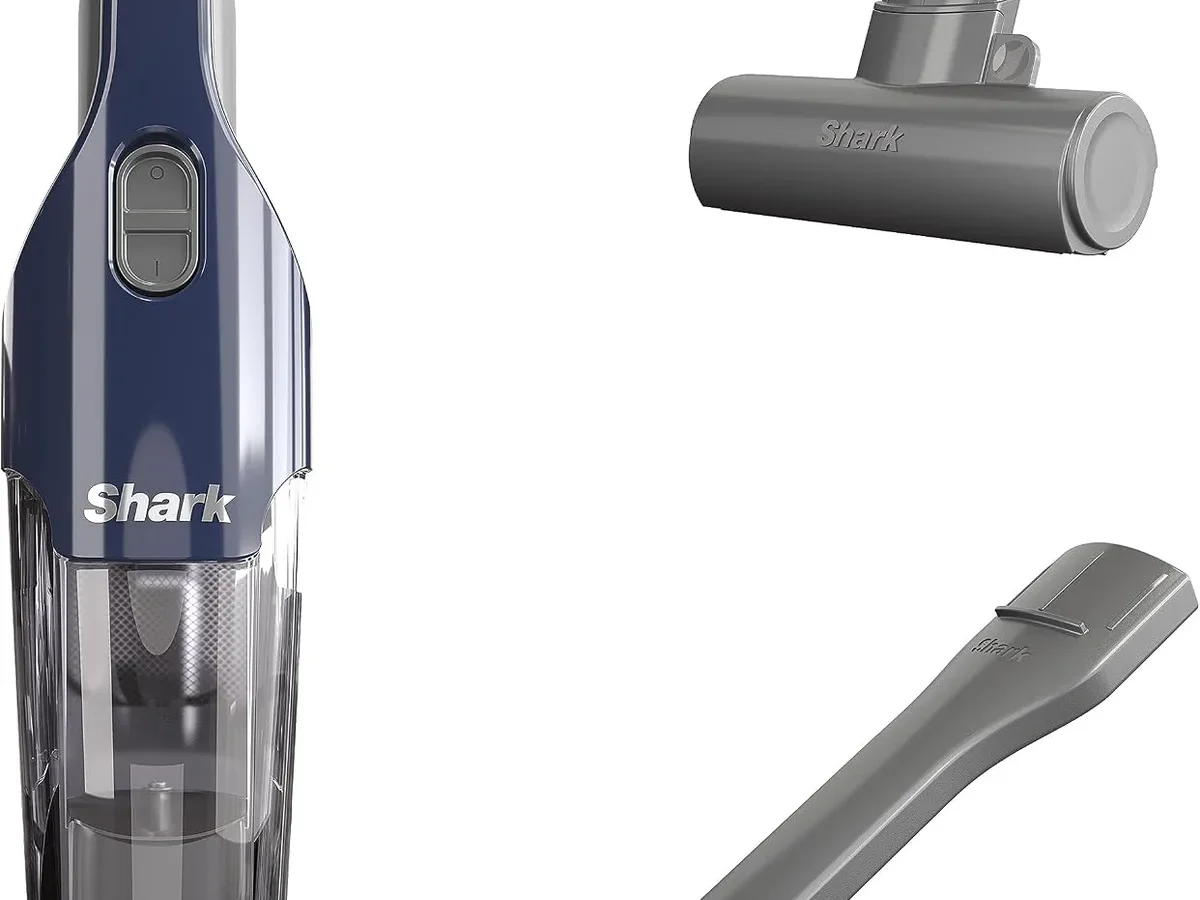
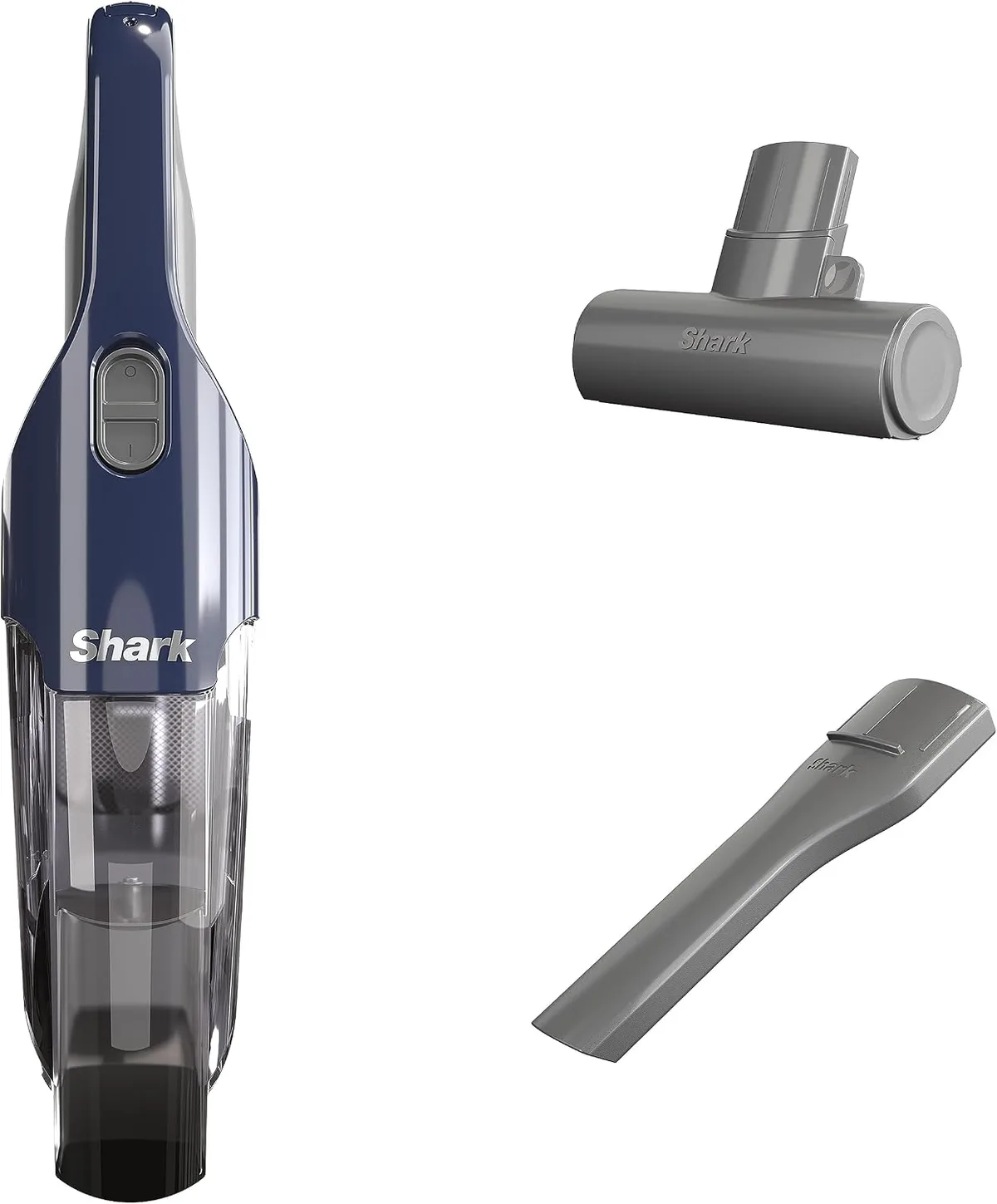
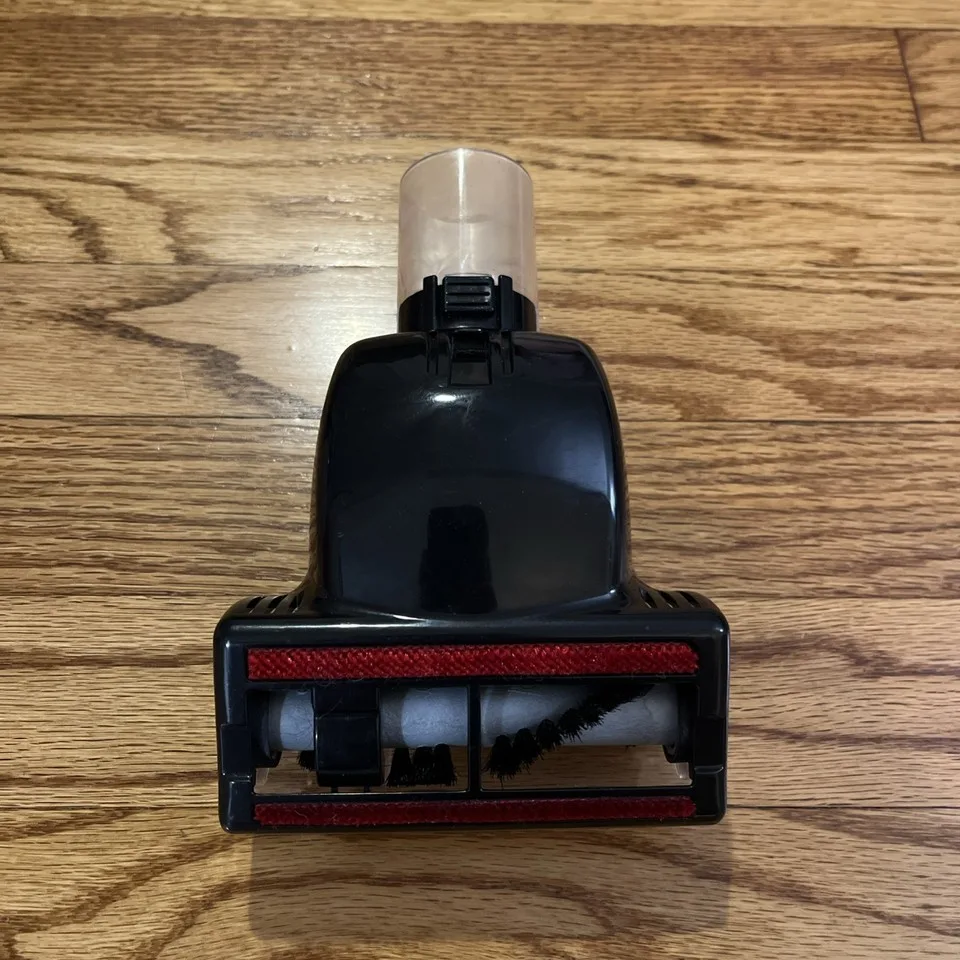
Image source: Web (Bing) / amazon.com (Web image (fair-use with source credit))
Figuring out how to vacuum fringe rugs using a suction only tool saves your expensive textiles from permanent damage. Most standard vacuums have rotating brush rolls that snag loose threads instantly. This pulls the warp strings right out of the weave, ruining the rug’s structure.
You need pure airflow without mechanical agitation to clean safely.
Our research confirms that friction is the enemy of hand-knotted fibers. The Institute of Inspection, Cleaning and Restoration Certification (IICRC) recommends gentle extraction for delicate piles. As of 2026, modern cordless sticks offer variable speed controls perfect for this task.
Let’s look at why your current method might be failing you.
Why Your Standard Vacuum Will Destroy Fringe Rugs
The problem lies in the mechanics of most uprights and canister heads. They rely on a motorized brush roll to agitate dirt from deep within carpet fibers. On a flat-pile rug, this works well.
But fringe consists of loose, unsecured warp ends hanging freely off the edge.
When those spinning bristles hit the tassels, they wrap around them like thread on a spool. This creates immediate tension on the knotting below. Aggregate user reviews report snapped threads and bald spots appearing after just one pass.
Even "hard floor" modes sometimes leave residual rotation or stiff plastic edges that catch the fabric.
You’re not just cleaning dirt. You’re risking structural failure. The visual cue here is simple: if your tool has moving parts touching the ground, it’s unsafe for fringe.
Pure suction lifts debris away without grabbing hold of the individual strands. This distinction is critical for preserving heirloom pieces. Without it, you’ll see fraying along the entire border within weeks.
Stop using any device with active agitation near these vulnerable zones.
Identifying the Right Suction-Only Tool and Attachment
Not all vacuums are created equal when it comes to bare suction. You need a machine that allows you to completely disengage the brush roll or use a dedicated non-agitating head. Handheld stick vacuums are often the best choice because their lightweight design prevents crushing delicate knots.
Look for models with a specific "crevice tool" or a wide-mouth upholstery nozzle made of smooth plastic. Avoid attachments with natural hair bristles unless they are extremely soft. Synthetic stiff bristles can still snag.
The ideal setup uses an open-ended nozzle where air flows straight through without obstruction.
Manufacturer specifications indicate that adjustable suction power is vital. Start low. High velocity can blow fine dust deeper into the weave if the seal isn’t tight.
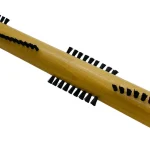
A sealed HEPA filter ensures that exhaust air doesn’t redeposit particles onto the cleaned area. Check your manual for "bare floor" settings that explicitly disable rotation. If your vacuum lacks this feature, you may need to physically remove the brush bar assembly.
This requires basic DIY skills but guarantees zero agitation. Always verify compatibility before modifying internal components.
| Feature | Ideal Spec | Risk Factor |
|---|---|---|
| Brush Roll | Fully Disengaged/Removed | Snagging/Tearing |
| Nozzle Material | Smooth Hard Plastic | Static/Friction |
| Suction Control | Variable Dial (Low-High) | Fiber Pull-out |
| Filtration | Sealed HEPA | Dust Blowback |
The Pre-Vacuum Inspection: Reading Your Rug’s Structure
Before you plug anything in, get down on eye level with the rug. You need to understand the construction. Is it hand-knotted wool?
Machine-made synthetic? The fiber type dictates how much stress it can handle. Wool is resilient but prone to felting if abused.
Synthetics melt under high heat or friction.
Check the fringe length. Anything over two inches requires extreme caution. Longer tassels tangle easily.
Look for existing weak spots. Are there loose knots or broken wefts? Mark these areas mentally.
You’ll want to avoid direct suction pressure on compromised sections. Instead, hover slightly above them.
Inspect the backing material too. Jute backs absorb moisture and rot. Cotton canvas is durable.
Latex is flexible but can degrade. Knowing this helps you gauge how firmly you can press the nozzle. Pressing too hard on a thin latex back might distort the shape.
Visual inspection reveals grain direction. Follow the pile, don’t fight it. This step takes five minutes but prevents hours of repair work later.
Take photos if you’re unsure about specific defects. Reference guides from textile museums suggest documenting condition before cleaning.
Step-by-Step Technique for Safe, Effective Cleaning
Now that you’ve prepped the tool and inspected the rug, follow this workflow. Speed and angle matter more than raw power. Rushing causes accidents.
Slowing down ensures thorough extraction without trauma to the fibers.
- Disable Agitation: Confirm the brush roll is off. Unplug if necessary to double-check.
- Select Low Power: Set suction to the minimum effective level. Increase only if needed.
- Position the Nozzle: Hold the crevice tool or smooth nozzle parallel to the fringe. Do not dig the tip into the tassels.
- Hover and Glide: Keep the nozzle floating just above the surface. Let the airflow do the work. Dragging creates friction.
- Work With the Grain: Move from the base of the fringe outward toward the tips. Never pull against the knot.
- Overlap Passes: Clean in strips, overlapping each pass by 50%. This catches missed debris.
- Check Intake: Pause every few feet to inspect the nozzle opening. Remove wrapped hairs immediately.
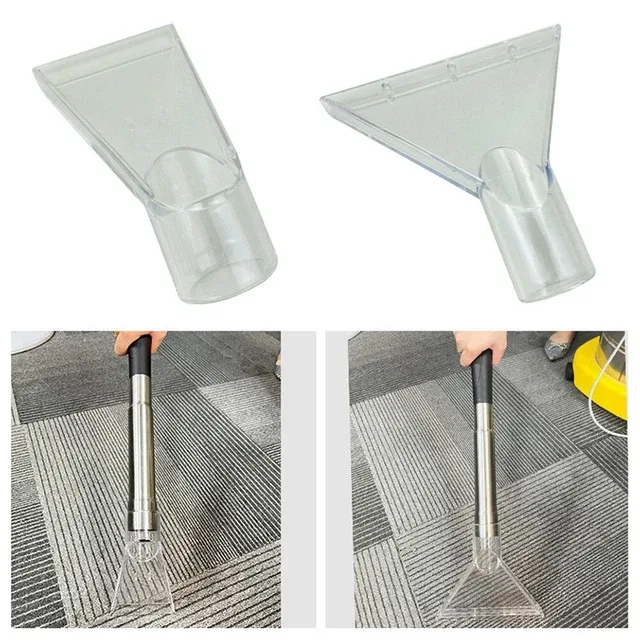
Use slow, steady strokes. Imagine you’re ironing silk. Jerky movements snap threads.
For stubborn dirt, pause briefly rather than increasing pressure. The suction will lift it eventually. Pay attention to the transition zone where fringe meets the main body.
Dirt accumulates here. Angle the nozzle slightly upward to reach under the binding tape without catching it. This technique preserves the integrity of the weave while removing allergens effectively.
Common Visual Mistakes That Cause Irreversible Damage
Even with good tools, bad habits ruin rugs. Watch for these visual red flags during operation. If you see any of these, stop immediately.
- Tangling Threads: If fringe starts wrapping around the nozzle shaft, you’re applying too much rotational force or dragging. Lift the tool instantly. Cut the wrapped thread carefully; do not yank it free.
- Flattened Pile: Dark patches appearing temporarily mean excessive pressure. The fibers are compressed. They usually recover, but chronic compression kills elasticity.
- Dust Clouds: Visible plumes of dust escaping the nozzle indicate poor seal or clogged filters. This blows dirt back into the rug. Empty the bin and clean filters.
- Static Clinging: Hair standing up vertically suggests static buildup. Use an anti-static spray lightly on the nozzle exterior, never directly on the rug. Humidity helps reduce this effect.
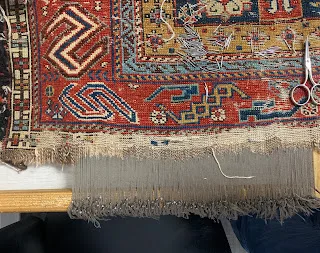
Another mistake is ignoring the direction of the warp. Pulling opposite to the twist untwists the yarn. This leads to splitting.
Always visualize the spiral of the thread. Match your motion to that spiral. Also, beware of wet spots.
Never vacuum damp fringe. Moisture weakens wool fibers drastically. Wait 24 hours for full drying.
These errors are cumulative. Small nicks become tears over time. Vigilance protects your investment.
Regular checks prevent minor issues from becoming major repairs.
Maintenance and Long-Term Preservation Strategies
Keeping your suction-only tool ready for action prevents accidental damage during future cleanings. Clogged filters reduce airflow efficiency, forcing you to increase power unnecessarily. Higher settings risk pulling loose threads even with gentle techniques.
Clean the pre-motor filter after every third use on fringe rugs. Wash it in cold water only if manufacturer specs allow. Air dry completely for 24 hours before reinstalling.
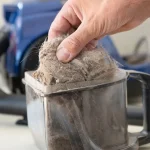
Empty the dust canister immediately after vacuuming. Fine wool lint accumulates quickly and blocks intake ports. A blocked nozzle creates turbulent airflow that scatters debris rather than extracting it.
Check the hose interior monthly for obstructions. Use a long, flexible brush to clear hidden clogs. Never insert metal objects that could scratch internal components.
Scratches create static buildup points that attract more dirt later.
Store attachments separately from the main unit. Tossing them into a closet crushes plastic nozzles. Cracked edges snag fibers during subsequent passes.
Keep crevice tools upright in a dedicated organizer. This preserves their shape and ensures smooth gliding over delicate tassels. Regular maintenance extends the life of both your vacuum and your rug.
It also reduces allergen exposure by ensuring consistent extraction performance. Neglect here undermines all previous careful cleaning efforts.
Frequently Asked Questions
Can I use a robot vacuum on fringe rugs?
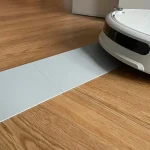
No, most robot vacuums have rotating side brushes or main rollers. These will tangle and destroy fringe instantly. Even models marketed as "gentle" often lack true suction-only modes.
The navigation sensors may also struggle with uneven pile heights. Stick to handheld units where you control pressure and direction manually. Robots are too unpredictable for valuable hand-knotted textiles.
Always prioritize manual oversight for fragile borders.
How often should I vacuum fringe rugs?
Weekly cleaning works well for high-traffic areas. Low-traffic zones need bi-weekly attention. Pet owners should increase frequency to twice weekly.
Hair wraps around knots faster than dust does. Regular removal prevents matting and odor buildup. Don’t wait until visible dirt appears.
Micro-particles degrade fibers silently over time. Consistency beats intensity when caring for delicate weaves. Adjust based on household activity levels.
What if my vacuum has no suction adjustment?
Use the lowest possible setting available. If none exist, limit contact time per spot. Hover the nozzle slightly above the surface.
Move slowly but avoid dwelling in one place. Prolonged high suction can lift warp threads. Consider purchasing an inexpensive inline valve regulator.
These clip onto hoses to restrict airflow manually. They cost under $15 and protect expensive rugs effectively. Test on an inconspicuous corner first.
Should I vacuum the back of the rug?
Yes, but carefully. Flip the rug only if it’s lightweight. Heavy pieces strain your back and risk tearing seams.
Vacuum the backing with the same suction-only technique. This removes embedded grit that abrades fibers from below. Pay special attention to corners where dust collects.
Ensure the rug is fully supported during flipping. Never hang heavy rugs upside down. Gravity stresses knotted structures unexpectedly.
Is compressed air safe for fringe cleaning?
Absolutely not. Compressed air blows debris deeper into the weave. It also introduces moisture that promotes mold growth.
The force disrupts knot security permanently. High-pressure streams can cut individual strands. Stick to negative pressure extraction methods like vacuums.
Air compressors are industrial tools, not home cleaners. Their misuse ruins heirloom textiles irreversibly. Choose gentler alternatives always.

Similar Posts