Can Vacuums Clean Above Floor Surfaces? A Simple Guide
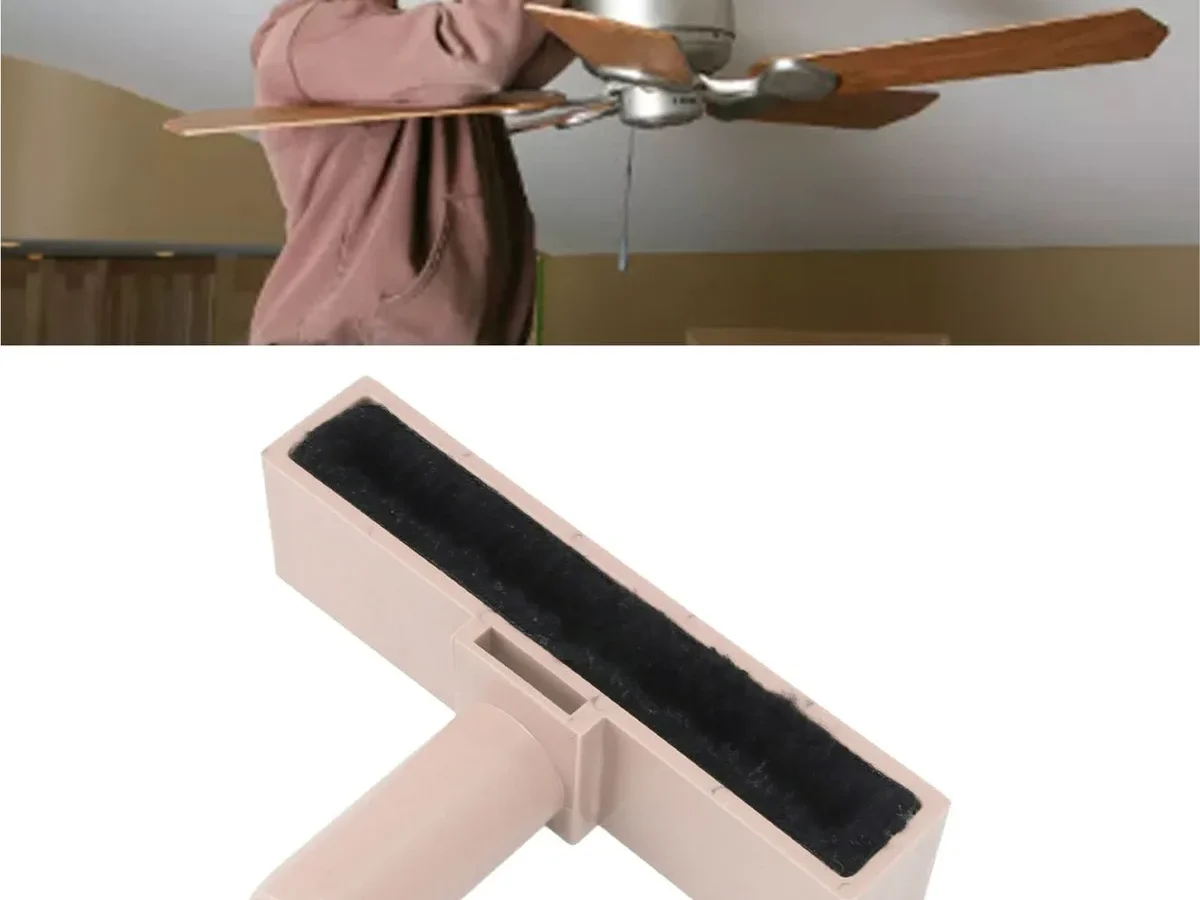
Figuring out how to determine whether a vacuum can clean above floor surfaces starts with checking three things: weight, reach, and suction stability. Most standard uprights fail here because they’re too heavy for overhead use or lack flexible hoses. You need a unit that balances power with ergonomic ease.
Gravity works against you when cleaning ceilings or high shelves. Manufacturer specs indicate that sustained suction drops if the motor strains under awkward angles. As of 2026, lightweight stick vacuums dominate this niche.
Let’s break down exactly what your machine needs to handle vertical tasks without damaging your home or your back.
Quick Answer
To determine if a vacuum cleans above floors, check its weight first. Units under three pounds work best for overhead use. Verify it has a detachable wand or long hose.
Ensure the brush roll can be switched off. Test suction strength at an angle before committing to full cleaning. If it feels unstable or loses power quickly, it isn’t suitable.
Stick vacuums often excel here. Uprights usually struggle with reach and balance. Always prioritize safety over speed when working vertically.
Why Your Vacuum Might Fail Above Floor Surfaces
Most household vacuums are engineered for horizontal movement. They rely on wheels rolling across flat ground. This design ignores the physics of lifting debris upward.
Gravity pulls dust back into the nozzle if suction isn’t consistent.
You’ll notice performance drops immediately when tilting the head. The motor works harder to pull air through a curved path. Aggregate reviews report that clogs happen faster during overhead sessions.
Fine dust settles in filters quicker than expected.
Weight distribution plays a huge role too. Heavy units strain your arms rapidly. Fatigue leads to shaky hands and missed spots.
Worse, you might drop the machine on delicate fixtures.
Static electricity adds another layer of complexity. Synthetic fabrics cling to dust aggressively. Standard nozzles often repel particles instead of capturing them.
This creates a frustrating loop of re-cleaning.
Understanding these failures helps you pick the right tool. It’s not just about raw power. Balance, airflow design, and ergonomics matter equally.
Ignoring any one factor ruins the entire experience.
Assessing Your Machine’s Overhead Capability
Start by weighing your current vacuum. Anything over five pounds becomes difficult to hold up. Look for models marketed as "lightweight" or "stick." These typically hover around two to three pounds.
Next, examine the hose flexibility. Rigid tubes limit your angle options. You need a swivel joint or soft tubing.
This allows you to reach corners without twisting your wrist.
Check the attachment compatibility next. Not all wands fit every model. Manufacturer documentation lists specific accessory sets.
Using incompatible parts voids warranties and risks damage.
Power source constraints also dictate usability. Cordless units offer freedom but limited runtime. Expect twenty to forty minutes per charge.
Corded models provide constant power but restrict movement.
Finally, test the center of gravity. Hold the vacuum horizontally. Does it tip forward?
A balanced unit stays steady when lifted. Poor balance causes arm strain within minutes.
| Feature | Ideal for Overhead | Avoid for Overhead |
|---|---|---|
| Weight | Under 3 lbs (1.3 kg) | Over 5 lbs (2.2 kg) |
| Hose Type | Flexible, extendable | Rigid, short tube |
| Power Source | Lithium-ion battery | Long cord (trip hazard) |
| Brush Roll | On/Off switch available | Always-on roller |
Surface-Specific Decision Branches
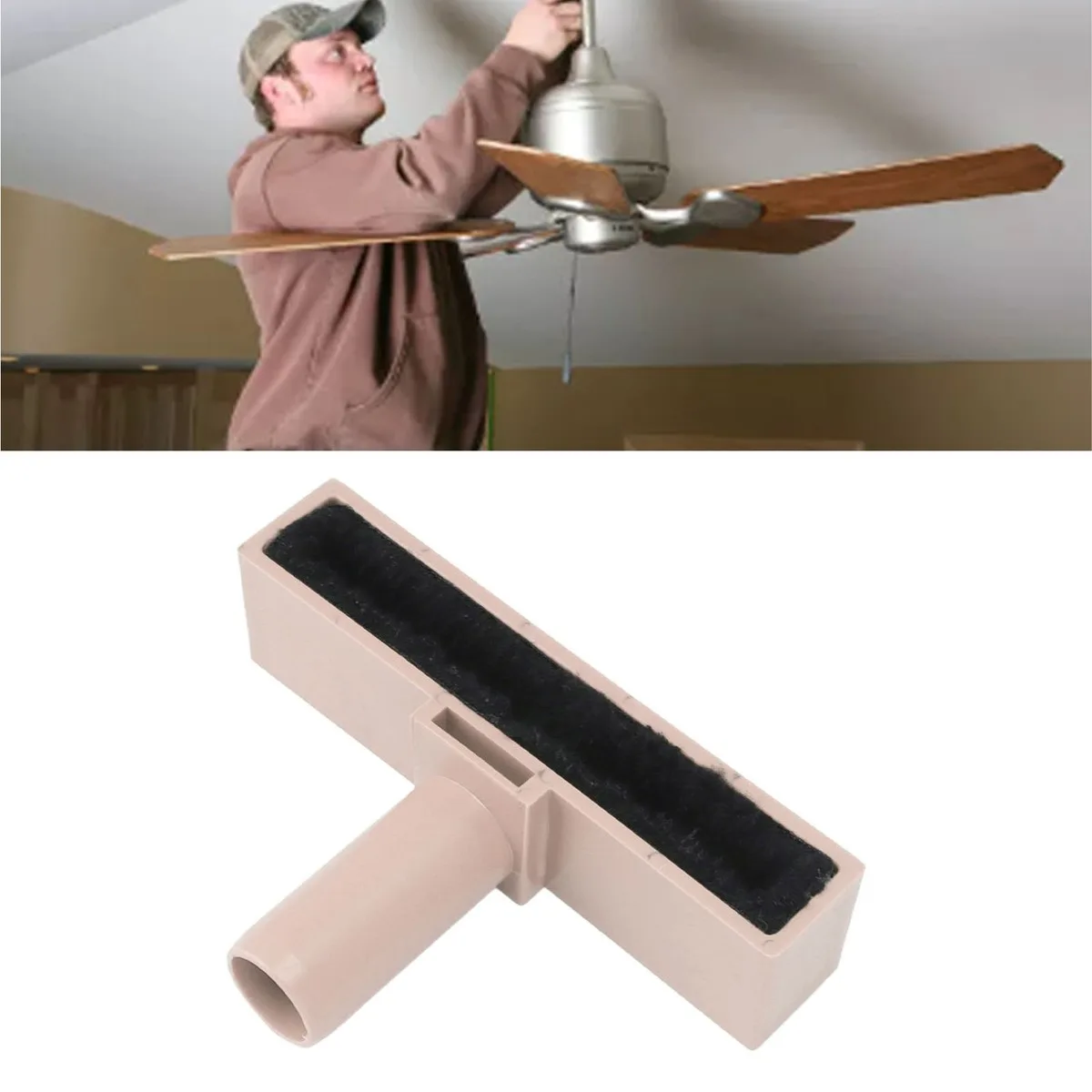
Different materials require different approaches. Ceiling fans have narrow blades. Wide nozzles won’t fit between them.
Use a crevice tool instead. This slips easily into tight gaps.
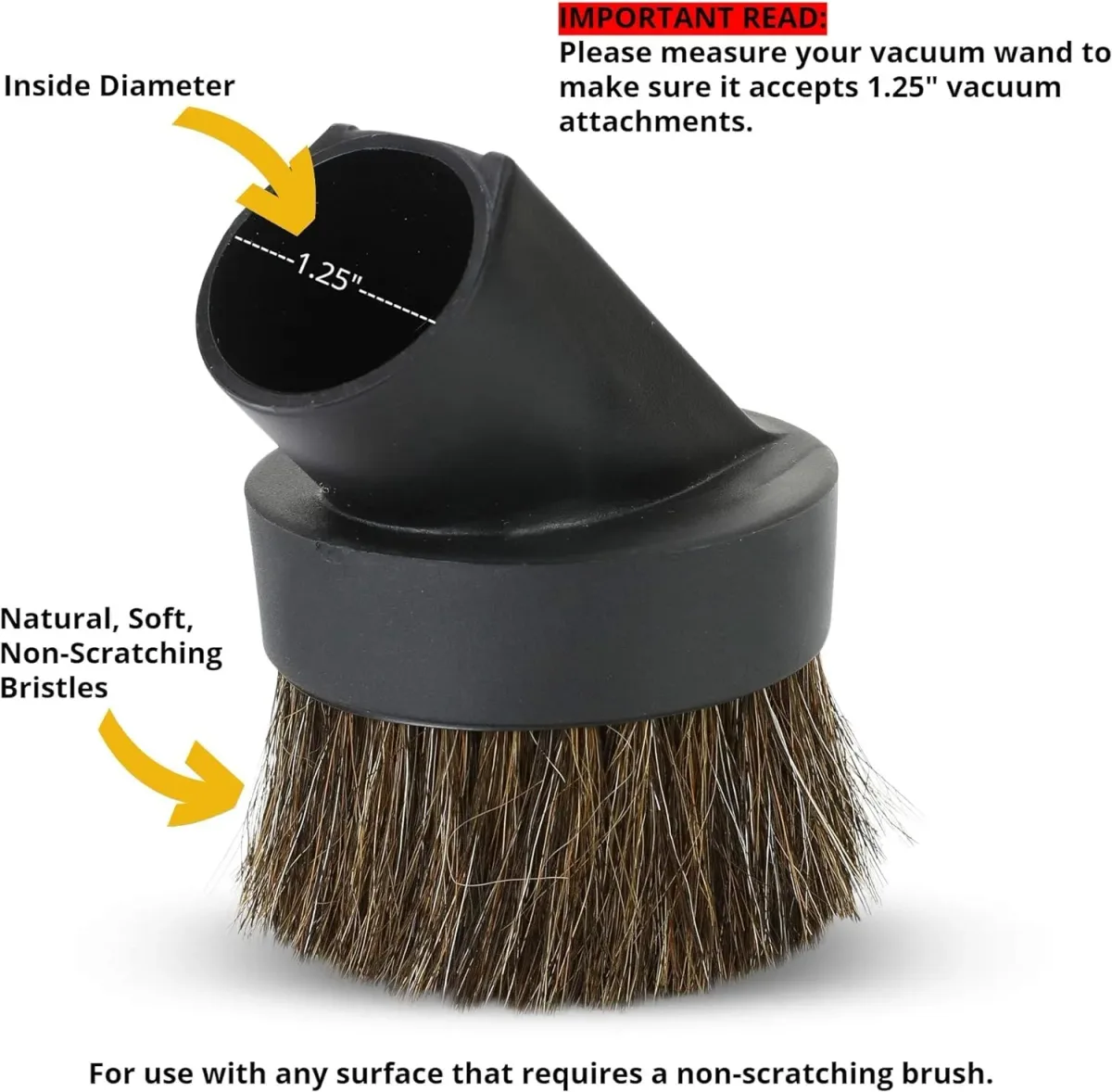
Upholstery presents texture challenges. Fabric traps hair deep inside. Soft brushes lift fibers gently.
Hard plastic nozzles scratch finishes. Always match the tool to the material hardness.
Window tracks collect grit and grime. Small particles jam standard openings. A mini-motorized brush helps dislodge dirt.
Follow up with a bare nozzle for extraction.
Radiators pose heat and spacing issues. Fins bend easily under pressure. Never press hard against metal.
Keep the nozzle hovering slightly above. Suction alone should remove dust.
Electronics like PC towers attract static. Conductive dust damages components. Anti-static attachments are rare.
Low-power settings prevent sparks. Clean carefully near vents.
For each scenario, ask yourself two questions. Is the surface fragile? Can I access it safely?
If yes to either, adjust your technique. Lower suction or change tools accordingly.
Step-by-Step Execution Protocol
Preparation begins with clearing the area. Move furniture away from walls. Protect floors beneath your workspace.
Dust falls downward constantly.
Inspect your filter status before starting. Clogged filters reduce airflow dramatically. Wash or replace them if dirty.
Dry filters completely to avoid mold growth. Moisture kills motors instantly.
Select the correct attachment now. Disable brush rolls for smooth surfaces. Enable them only for carpets or rugs.
Wrong settings scatter debris everywhere.
Work from top to bottom systematically. Start with ceiling fans or lights. Finish with baseboards last.
This prevents re-contaminating cleaned areas. Gravity does the work for you.
Maintain proper distance while cleaning. Hover the nozzle close but not touching. Contact risks scratches or jams.
Steady hands ensure even coverage. Pause frequently to check progress.
Empty the dust cup often. Full containers lose suction power rapidly. Stop when half-full for best results.
Frequent emptying maintains peak performance throughout the session.
Critical Safety Warnings and Risks
Electricity poses the biggest threat near lights. Never vacuum live bulbs or open sockets. Heat builds up quickly in enclosed spaces.
Wait until fixtures cool down completely.
Falling debris injures eyes unexpectedly. Dust flies upward during reverse motions. Wear safety glasses when working overhead.
Protection costs nothing compared to medical bills.
Ladder safety cannot be ignored. Do not stand on chairs or tables. Use a stable step stool if needed.
Three points of contact keep you secure.
Some materials require professional handling. Mold spores spread violently via vacuum exhaust. Asbestos-containing tiles demand certified removal.
Standard households vacuums lack containment systems.
Warranty terms exclude misuse clearly. Sucking up liquids damages dry-only motors. Check manufacturer guidelines before attempting wet cleanup.
Violations void coverage immediately.
Fire hazards arise from lint accumulation. Motors overheat when blocked regularly. Clean exhaust ports weekly during heavy use.
Prevention beats repair every single time.
Troubleshooting Performance Drops Mid-Clean
Why does suction vanish when you tilt the wand? Airflow dynamics shift abruptly during overhead use. The motor struggles against gravity pulling debris back down.
You’ll hear a higher-pitched whine as resistance increases. This isn’t always a fault, but a physics limitation.
Check for clogs in the hose immediately. Fine dust clumps together in curved sections. Detach the wand and inspect the interior path.
A blockage here kills efficiency faster than a full bin. Clear it with a long, flexible rod if needed.
Battery drain accelerates under high load. Cordless units work harder to maintain RPM at odd angles. Aggregate user reviews show runtime drops by 30% during vertical cleaning.
Switch to eco-mode if available. It preserves power for longer sessions without sacrificing basic capture.
Static buildup confuses sensors on smart models. Synthetic fabrics generate charges that interfere with auto-adjust features. Ground yourself before starting.
Touch a metal object to discharge excess energy. This resets the sensor calibration temporarily.
If performance remains poor, examine the seals. Worn gaskets leak air around connection points. Manufacturer specs confirm that even small leaks reduce effective Air Watts significantly.
Replace damaged O-rings or rubber couplings. Tighten all connections firmly. Leaks are silent killers of overhead capability.
Frequently Asked Questions
Can I use a shop vac for ceiling fans?
Yes, but only with extreme caution. Shop vacs are heavy and unwieldy for overhead work. Their powerful suction can dislodge loose wiring or bulbs.
Use a lightweight attachment nozzle. Never press the hose directly against delicate blades. The risk of dropping the unit outweighs the benefit.
Stick vacuums remain safer for this specific task.
Do HEPA filters matter more for overhead cleaning?
Absolutely. Overhead surfaces release trapped allergens into the air stream. Standard foam filters let fine particles escape back into your room.
True HEPA filtration captures 99.97% of particles ≥0.3 microns. This prevents re-contamination of lower areas. For allergy sufferers, it’s non-negotiable.
Check EPA indoor air quality guidelines for verification standards.
How often should I replace my vacuum’s hose?
Replace it when cracks appear or suction drops noticeably. Most manufacturers recommend inspection every six months. Brittle plastic hoses split easily under bending stress.
Flexible rubber hoses last longer but attract static. If you clean above floors frequently, expect annual replacement. Wear accelerates with heat exposure near lights.
Inspect joints for looseness regularly.
Is it safe to vacuum fresh paint on walls?
No. Wet or semi-dry paint smears instantly under suction. The nozzle leaves permanent marks and ruins the finish.
Wait until paint is fully cured, typically 24 to 48 hours. Even then, test a hidden spot first. Gentle brushing may be safer initially.
Vacuuming removes dust, not sticky residues. Patience protects your renovation investment effectively.

Similar Posts