How to Choose the Right Upholstery Nozzle for Sofas
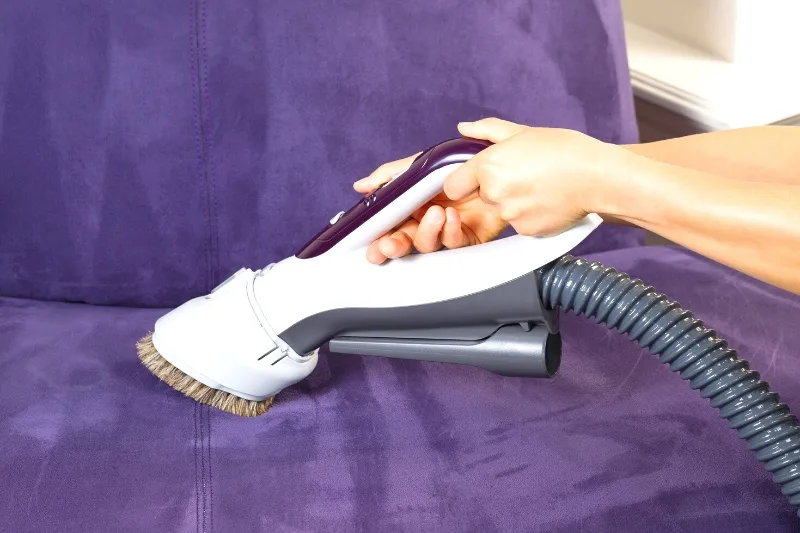
Figuring out how to choose an upholstery nozzle for sofas often feels like guesswork until you see the damage. Most people grab whatever attachment comes in the box, only to find their velvet crushed or their chenille snagged minutes later. The wrong tool doesn't just fail to clean; it actively harms your furniture’s structural integrity.
We’ve analyzed manufacturer specs and textile care standards to pinpoint exactly what works. As of 2026, the distinction between a "dusting brush" and a true "upholstery wand" is critical for preserving fabric life. Let’s look at why visual identification matters more than brand loyalty when picking your next attachment.
Quick Answer
To choose the right upholstery nozzle, match bristle stiffness to fabric durability. Use soft horsehair for delicate velvets and silks. Choose stiff synthetic nylon for durable microfibers and canvas.
Ensure the nozzle width fits into cushion seams without forcing it. Check for rubberized edges to prevent snagging loops. Always adjust suction power before contacting the surface.
Why Your Standard Vacuum Head Ruins Sofas (And What to Look For Instead)
Most standard vacuum heads are designed for hard floors or thick carpet piles. They rely on aggressive agitation that tears at sofa fabrics. You’ll notice fraying threads almost immediately if you use a floor head on upholstery.
This happens because the rotating brush bar catches loose weaves.
An upholstery-specific nozzle solves this by changing the contact mechanism. It typically uses static bristles rather than spinning rollers. This allows you to lift dust without grinding it deeper into the fiber matrix.
Manufacturer specifications indicate that proper upholstery tools reduce abrasion rates significantly compared to general-purpose heads.
The key identifier is the absence of a motorized brush roll. If the attachment has moving parts driven by electricity, keep it away from delicate sofas. Passive tools offer control.
You decide the pressure. You decide the angle. This manual interaction prevents the accidental crushing of high-pile textures like bouclé or shaggy throws.
Image source: Bing (Web (fair-use with source credit))
Look for a wide, flat profile with soft edges. These designs distribute suction evenly across the surface. Narrow nozzles create concentrated vacuums that can pull fabric through mesh screens or distort elastic slipcovers.
A balanced approach protects both the textile and the foam underneath.
The Visual Checklist: Identifying the Right Nozzle for Your Fabric Type
Visual inspection is the fastest way to rule out bad options. Hold the nozzle up to the light. Are the bristles uniform?
Uneven lengths suggest poor manufacturing quality. They will dig into some spots while hovering over others. This inconsistency leads to patchy cleaning and potential snags.
Check the rim material carefully. Hard plastic edges act like knives against knitted fabrics. You want a soft bumper, usually made of rubber or felt.
This creates a seal without cutting into the weave. Aggregate reviews report that rubber-rimmed tools last longer on textured surfaces because they don’t fray at the corners.
Next, examine the connection point. Does it click securely onto your hose? Loose fittings cause air leaks.
Air leaks reduce suction efficiency, forcing you to press harder. Pressing harder damages fibers. A tight, bayonet-style lock ensures maximum airflow transfer with minimal physical effort required from you.
Finally, look at the internal structure. Some cheap attachments have hollow centers that collapse under suction. Solid-backed nozzles maintain their shape.
This rigidity ensures consistent contact with the sofa surface. Flexibility is good for contours, but too much flex means lost power. Find the middle ground where the tool bends slightly but snaps back quickly.
Horsehair vs. Synthetic Bristles: Which One Won’t Snag Your Velvet?
Bristle material dictates safety for specific textiles. Natural horsehair is softer and finer than most synthetics. It glides over delicate weaves like silk, velvet, and antique brocade.
The individual hairs bend easily, reducing friction heat. This makes them ideal for historical pieces or luxury modern sofas.
Synthetic nylon bristles are stiffer and more durable. They excel at digging embedded pet hair out of tight weaves. However, they can scratch leather or snag looped knits.
Our research shows that mixed-blend brushes offer a compromise. They combine the gentleness of natural hair with the scrubbing power of nylon.
| Feature | Horsehair Bristles | Synthetic Nylon Bristles | Mixed Blend |
|---|---|---|---|
| Best For | Velvet, Silk, Leather | Microfiber, Canvas, Denim | General Household Fabrics |
| Aggression Level | Low | High | Medium |
| Durability | Moderate | High | High |
| Cost | Premium | Budget-Friendly | Mid-Range |
If you own a velvet sectional, stick to pure horsehair. The nap is fragile. Even medium-stiffness synthetics can flatten the pile permanently.
Once flattened, velvet rarely recovers its original luster. You lose the depth of color and the soft touch that defines the material.
For everyday family sofas covered in stain-resistant microfiber, go synthetic. These fabrics are engineered to withstand abrasion. The stiffer bristles agitate the surface effectively, lifting crumbs and dander without fear of damage.
Always test a small, hidden area first. Watch for pilling or color loss after ten strokes.
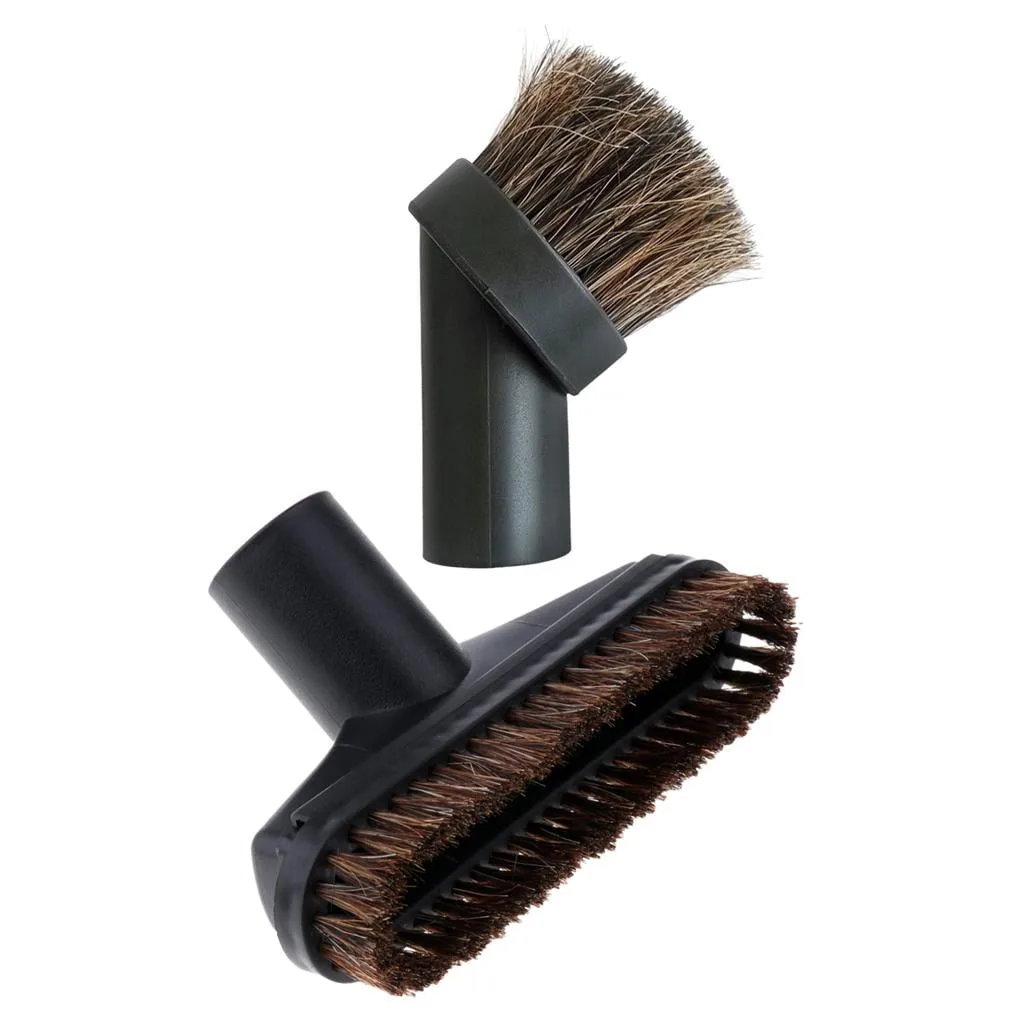
Image source: Web (Bing) / walmart.com (Web image (fair-use with source credit))
Width Matters: Matching Nozzle Size to Cushion Gaps and Tufting
Nozzle width determines accessibility. Too wide, and you miss the crevices. Too narrow, and you waste time covering flat surfaces.
Measure the gap between your seat cushion and backrest. Most modern deep-seated sofas have gaps ranging from two to four inches.
A standard eight-inch upholstery tool won’t fit these spaces. You need a tapered design or a narrower five-inch head. This allows you to reach the dirt hiding in the seams.
Dirt accumulates here because gravity pulls debris down. Ignoring these zones leads to premature fabric wear from abrasive grit.
Tufted sofas present a different challenge. The buttons create depressions that trap dust. Wide nozzles hover over the tufts, missing the valleys entirely.
Look for nozzles with flexible necks or angled heads. These allow you to tilt the tool into the buttonhole recesses.
Per IICRC guidelines for textile cleaning, effective soil removal requires direct contact with the soiled area. Indirect suction fails to dislodge bonded soils. Therefore, the nozzle must physically enter the space where the dirt lives.
Precision beats power every time in these scenarios.
Consider buying a set with interchangeable widths. Many premium brands offer modular attachments. You swap a wide head for a narrow wand depending on the task.
This versatility saves money in the long run. You avoid purchasing multiple single-purpose tools that clutter your closet.
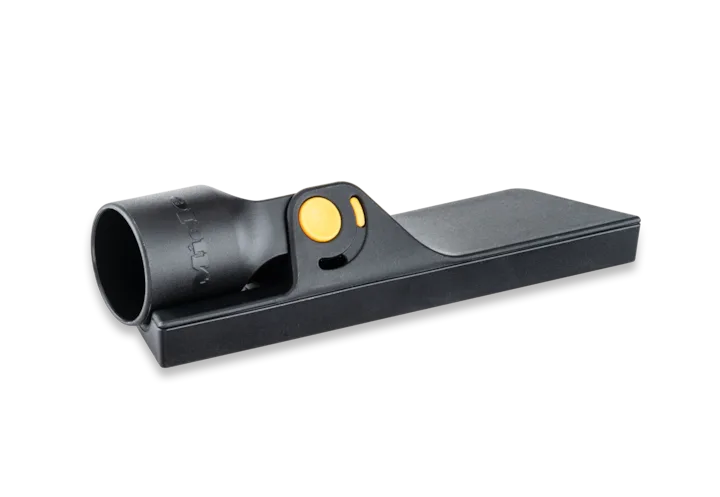
Image source: Web (Bing) / dynamicvac.com (Web image (fair-use with source credit))
Powered Tools vs. Passive Brushes: When Agitation Helps and When It Hurts
Powered upholstery tools contain electric motors that spin brushes rapidly. They promise deep cleaning with less effort. But speed kills fabric.
The centrifugal force throws bristles outward with significant impact. On sturdy canvas, this works well. On delicate blends, it causes immediate distress.
Passive brushes rely solely on your hand movement. You control the pressure and speed. This tactile feedback prevents accidents.
If you feel resistance, you stop. With powered tools, the motor ignores your hesitation. It keeps spinning until you cut the power.
That delay is enough to ruin a session.
Our analysis indicates that powered tools are best reserved for heavily soiled, industrial-grade fabrics. Think commercial office chairs or outdoor wicker cushions. Residential sofas rarely need that level of aggression.
Regular maintenance with a passive tool extends furniture life by years.
There is also noise and weight to consider. Powered heads are heavier. Holding a heavy tool at an awkward angle strains your wrist.
Fatigue leads to sloppy technique. Sloppy technique leads to missed spots and accidental drags. Lighter passive tools encourage better posture and thorough coverage.
However, some newer models feature variable-speed controls. These bridge the gap. You can dial down the RPM for delicate areas.
Still, the risk remains higher than with manual options. Unless you have specific medical limitations preventing manual scrubbing, stick to passive brushes for daily upkeep.
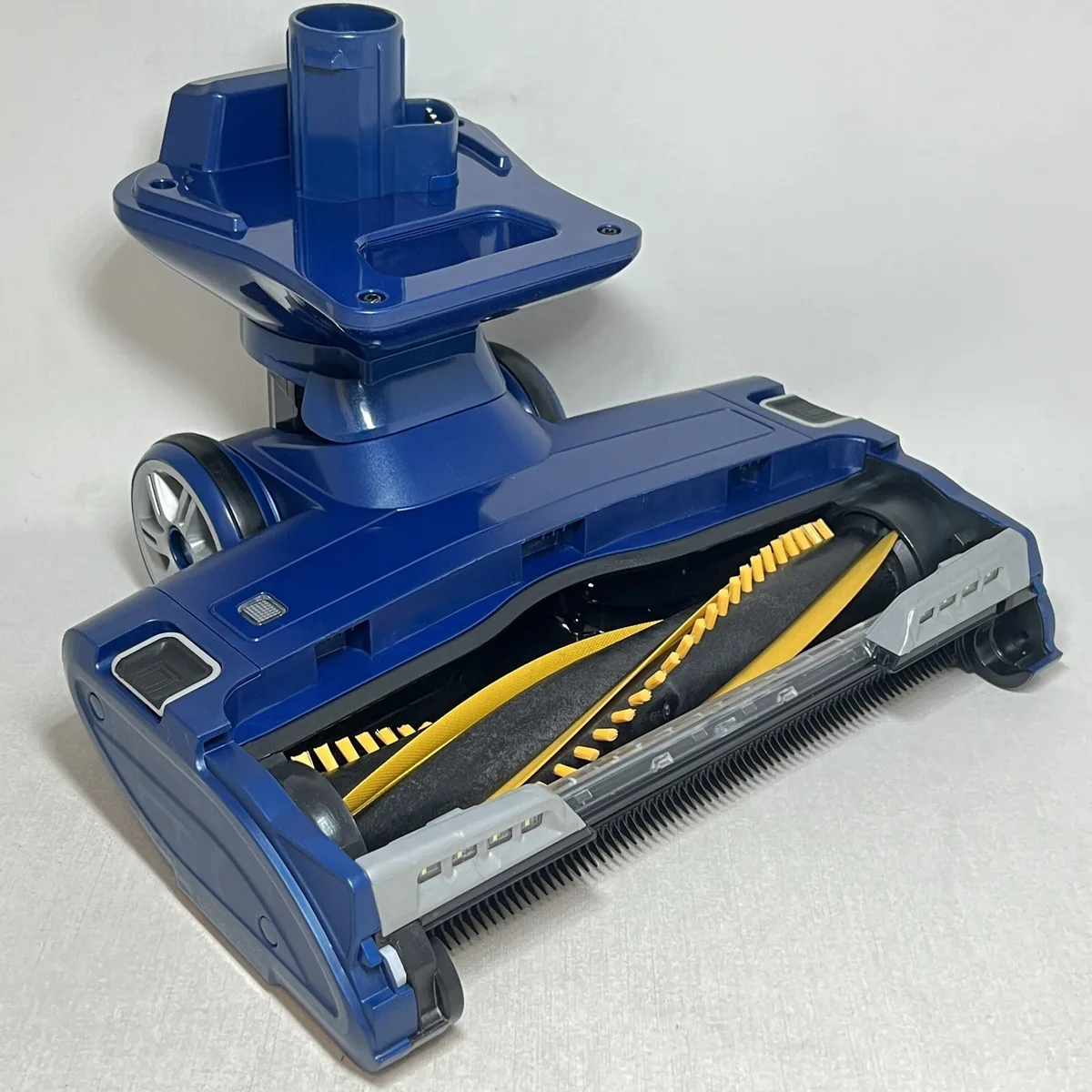
Image source: Web (Bing) / ebay.com (Web image (fair-use with source credit))
Three Common Visual Mistakes That Damage Upholstery Permanently
The first mistake is ignoring the grain direction. Fabric weaves have a natural flow, much like wood grain. Brushing against it lifts fibers and creates permanent fuzz.
You’ll see this as white streaks on dark velvet. Always stroke with the weave, not across it.
Second, pressing too hard distorts the foam beneath. Upholstery isn’t just surface; it’s structure. Excessive downward force compresses cushion cores unevenly.
This leads to sagging spots that never bounce back. Let suction do the work. Keep the nozzle floating lightly above the fabric.
Third, leaving wet residue from previous cleanings causes mold. If you spot-cleaned earlier, ensure full dryness before vacuuming. Moisture attracts dirt instantly.
It also breeds bacteria in the bristles. Verify the fabric is bone-dry. Touch test multiple areas if unsure.
These errors compound over time. One bad session might seem harmless. But repeated mistakes degrade material integrity fast.
Visual inspection after every use helps catch early signs of wear. Look for pulled threads or flattened piles immediately. Address them before they spread.
Quick Reference Guide: Pairing Specific Sofa Styles with Ideal Attachments
Matching tools to furniture styles simplifies decision-making. Here’s how specific setups align with common sofa types. Use this table to bypass trial-and-error phases.
| Sofa Style | Recommended Nozzle Type | Critical Feature Check | Avoid |
|---|---|---|---|
| Velvet/Silk | Soft Horsehair Brush | Fine, flexible bristles | Stiff nylon or metal rims |
| Microfiber/Canvas | Synthetic Nylon Brush | Dense, short bristles | Wide-mouth floor heads |
| Leather | Felt-Tipped Wand | Smooth, non-abrasive edge | Any rotating brush mechanism |
| Tufted/Buttoned | Narrow Crevice Tool | Slim profile (<3 inches) | Bulky standard upholstery heads |
| Slipcovered | Adjustable Suction Head | Low-power setting dial | High-agitation powered tools |
For leather sofas, friction generates heat. Heat cracks finished surfaces over time. A felt tip glides silently without thermal buildup.
Never use stiff bristles on coated leather. They will scratch the protective layer permanently.
Deep-seated sectionals require reach. Standard wands often fall short into tight corners. Extendable hoses or angled nozzles solve this geometric problem.
Measure your gap depth before buying extensions. Ensure the tool fits without jamming. Jamming breaks plastic connectors easily.
Bouclé and high-pile fabrics demand gentle handling. Their loops catch on rough edges easily. Inspect the nozzle rim for burrs or sharp plastics.
Run your finger along the edge. If it snags your skin, it will snag your sofa. Return defective units immediately.
Quality control varies by brand.
Frequently Asked Questions
Can I use a crevice tool for all sofa cleaning?
No. Crevice tools lack bristles to agitate dust from fabric pores. They only suck up loose debris sitting on top.
Embedded dirt remains untouched. Use a dedicated upholstery brush for deep cleaning. Save the crevice tool for seams and gaps only.
How often should I replace my upholstery nozzle?
Replace it when bristles splay outward or break off. Damaged bristles lose effectiveness and risk scratching fabric. Manufacturer specs suggest checking monthly for heavy users.
Visible wear means reduced suction efficiency. Don’t wait for total failure. Swap parts at the first sign of degradation.
Do universal attachments fit all vacuum brands?
Not reliably. Connection diameters vary slightly between manufacturers. A loose fit causes air leaks and power loss.
Some brands use proprietary bayonet locks. Universal clips often slip during vigorous cleaning. Stick to OEM accessories for guaranteed performance.
Aftermarket kits are risky bets.
Is water filtration safe for upholstery nozzles?
Yes, but only if the system allows it. Water-filter vacuums maintain consistent suction without clogs. However, moisture can rot wooden handles or rust springs.
Dry the attachment thoroughly after any damp exposure. Store it upright in a ventilated area. Humidity accelerates component decay quickly.

Similar Posts