Is a Motorized Pet Tool Right for You? A Decision Guide
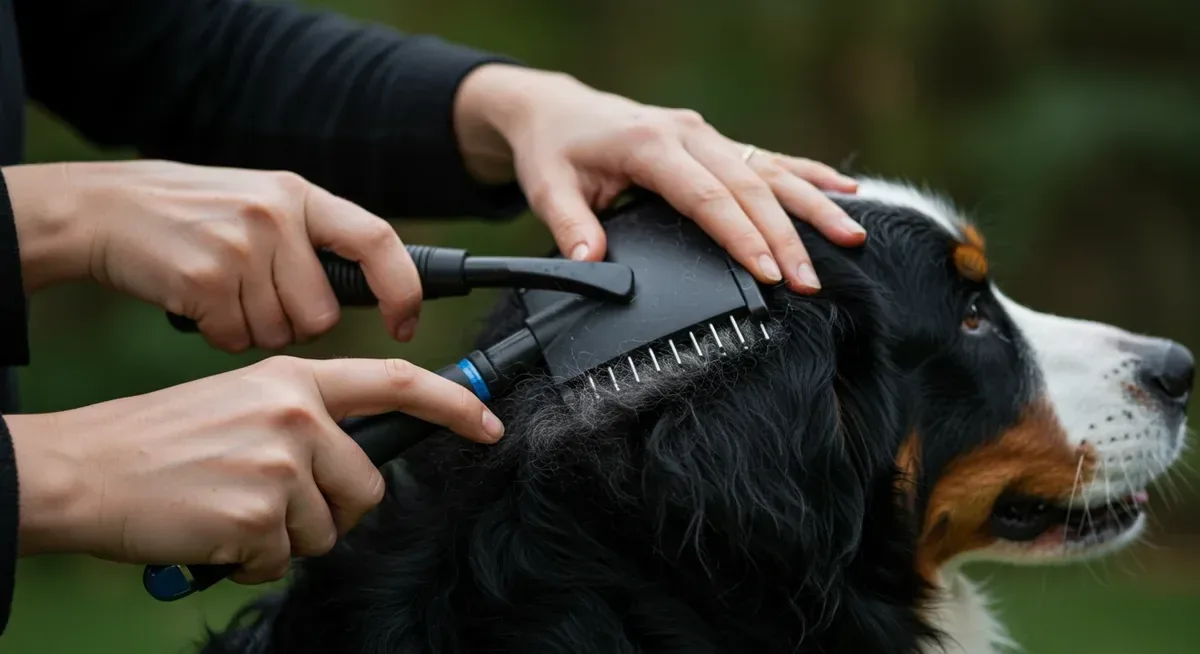
Figuring out how to decide when a motorized pet tool is useful starts with looking past the marketing hype. You don't need every gadget on the shelf. Most owners buy high-powered dryers or rotary brushes only to find their dog cowering in fear.
That’s a waste of money and trust.
The right choice depends entirely on your animal's biology and your physical limits. For instance, double-coated breeds like Huskies shed pounds of undercoat annually. A standard vacuum often fails here.
However, aggressive deshedding tools can damage skin barriers if used incorrectly. Let’s break down the specific conditions that make these machines worth it.
Quick Answer
A motorized pet tool is useful when manual grooming causes owner fatigue or leaves significant loose hair behind. It works best for heavy-shedding breeds with dense undercoats. Avoid using them on anxious pets or thin-skinned areas.
Always prioritize behavioral tolerance over raw power. If your dog hides from the noise, the tool isn't ready yet. Start with low settings.
Monitor skin health closely after each session.
The Real Test: Does Your Pet’s Biology Match the Machine’s Mechanics?
Not every coat type benefits from automation. Single-coated dogs, like Poodles or Maltese, have curly hair that traps debris. They rarely shed heavily into the environment.
Using a powerful deshedding blade on them often cuts live hair. This leads to patchy regrowth and potential sunburn on exposed skin.
Double-coated breeds are different. Animals like German Shepherds, Golden Retrievers, and Samoyeds possess a soft underlayer beneath a harsh topcoat. During seasonal "blowouts," this undercoat releases in massive quantities.
Manual raking takes hours. A motorized rake or high-velocity dryer can reduce this time by 70%. But speed isn't everything.
You must match the tool's RPM to the coat's density. Low-density coats require gentle suction or slow rotation. High-density coats need torque.
Misalignment causes pain.
Identifying Coat Type and Density Thresholds
How do you know which category your pet falls into? Look at the root structure. Pull a small tuft of fur gently.
If it comes away easily in clumps, you likely have a shedding issue suitable for mechanical aid. If the hairs stay anchored firmly, stick to manual brushing.
Consider the texture too. Wire-haired terriers have coarse outer guards. Soft-coated retrievers have silky fur.
Motorized slicker brushes work wonders on tangles in soft coats. They glide through knots without pulling. On wire hair, they can snag and break brittle strands.
Check manufacturer specs for tooth spacing. Wider gaps suit thick undercoats. Tighter teeth handle fine topcoats.
As of 2026, most premium tools offer interchangeable heads. Use this feature wisely. Don't assume one head fits all seasons.
Spring blowouts demand different settings than winter maintenance.
Assessing Behavioral Tolerance to Noise and Vibration
Behavior matters more than breed sometimes. Some dogs love the sensation of air drying. Others panic at the hum of a grinder.
Observe your pet’s reaction to household appliances first. Do they flinch at the vacuum cleaner? If yes, a high-velocity dryer will trigger flight-or-fight responses.
This raises cortisol levels. Chronic stress harms immune function.
Start desensitization early. Turn the device on across the room. Reward calm behavior.
Gradually decrease distance. Never force contact while the machine runs loudly. Electric nail grinders produce distinct vibrations.
Cats especially hate this sensory input. Many felines tolerate brief sessions better than dogs. Yet, individual variance is huge.
Track your pet’s body language. Whale eye, tucked tails, or shaking signal immediate stoppage. Pushing past these signs builds lasting phobias.
Patience pays off in long-term compliance.
When Manual Grooming Hits a Wall (And Why Motors Won’t Fix It)
Sometimes we reach for power tools because our hands hurt. Arthritis, carpal tunnel, or general weakness makes repetitive motions painful. Here, motorized aids shine.
An electric brush reduces wrist strain significantly. You guide the motion; the machine does the work. This extends grooming sessions comfortably.
You can maintain hygiene without exhaustion.
But motors don't solve skill gaps. If you’ve never brushed your dog properly, a tool won’t teach technique. Poor form combined with high power equals injury.
Mats hide underneath surface fur. A rotary brush might skim over them. The mat remains tight against the skin.
Pressure sores develop quickly in hidden spots. Owners think the job is done. Weeks later, the vet finds infected hot spots.
The Arthritis and Strength Factor for Owners
For seniors or those with mobility issues, lightweight cordless models are essential. Heavy corded units drag cables across floors. Tripping hazards increase.
Battery-operated handheld vacuums offer freedom. Look for ergonomic grips designed for reduced grip strength. Weight distribution matters.
Front-heavy tools tire arms fast. Balanced designs keep effort low.
Check decibel ratings before buying. Quiet operation helps anxious pets. Models under 60 dB are preferable for indoor use.
Industrial dryers often exceed 85 dB. These belong in garages or well-ventilated outdoor spaces. Protect your hearing too.
Prolonged exposure damages auditory cells. Use earplugs if operating loud equipment frequently. Comfort drives consistency.
If grooming hurts you, you’ll skip sessions. Skipped sessions lead to matted coats. Matted coats require professional shaving.
Save yourself the hassle by choosing the right ergonomic fit initially.
The Matting Severity Trap: When Tools Become Dangerous
Never put a motorized blade near severe mats. The teeth catch the knot. Torque pulls the skin upward.
Pain spikes instantly. Worse, the blade slices through tangled hair embedded in dermis. Open wounds result.
Veterinary dermatology guidelines strictly advise removing mats manually with scissors first. Only then should you consider mechanical smoothing.
Assess mat thickness visually. If you cannot slide a comb under the base, it’s too tight. Stop.
Call a groomer. DIY attempts on felted coats often end in ER visits. Even light mats resist sudden pressure.
Work slowly. Break knots apart finger-by-finger. Then introduce the tool on low speed.
Rushing guarantees regret. Remember, the goal is healthy skin, not just shiny fur. Prioritize safety over speed every single time.
Breaking Down the Motorized Toolkit by Function
Different tasks require different machinery. Group tools by their primary purpose. Deshedding focuses on removing loose undercoat.
Drying manages moisture control. Nail care handles keratin trimming. Confusing these roles wastes resources.
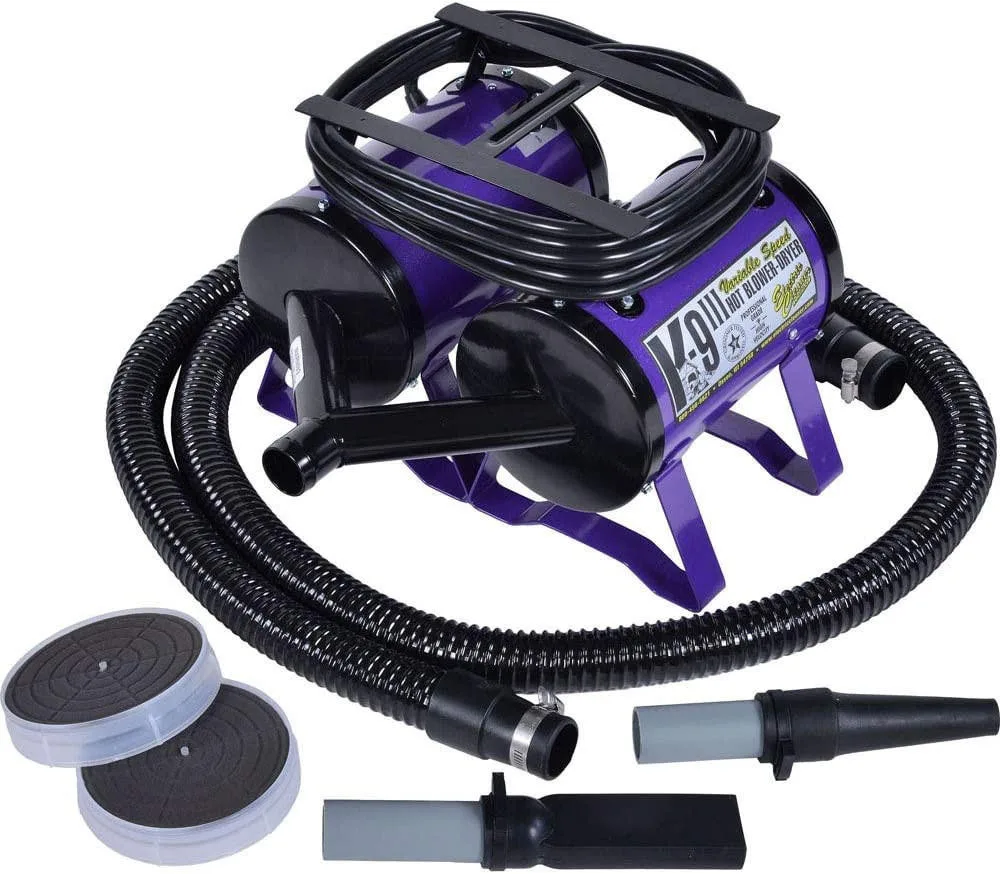
High-velocity dryers blast water off coats rapidly. They also dislodge loose hair during airflow. This dual function saves time post-bath.
Standard hairdryers lack the PSI needed for thick coats. They leave dampness trapped near skin. Moisture breeds bacteria and yeast infections.
Especially in folds like Shar-Pei wrinkles or Bulldog faces. Invest in proper airflow technology for bath days.
| Tool Category | Primary Function | Best For | Risk Level |
|---|---|---|---|
| High-Velocity Dryer | Water removal & loose hair ejection | Double-coated breeds, post-swim | Moderate (Noise/Eye safety) |
| Rotary Deshedder | Undercoat extraction | Heavy shedders, seasonal blowouts | High (Skin cutting if misused) |
| Electric Grinder | Nail shortening | All species, sensitive paws | Low (Heat friction possible) |
| Powered Vacuum | Floor/allergen cleanup | Multi-pet homes, allergies | None (Pet interaction minimal) |
Rotary deshedding blades vary widely. Some use static metal edges. Others employ rotating combs.
Rotating styles generally cause less traction on the skin. They lift hair rather than pull it. Still, angle matters.
Hold the tool parallel to the body. Perpendicular angles dig into flesh. Practice on synthetic fur pads first.
Build muscle memory safely.
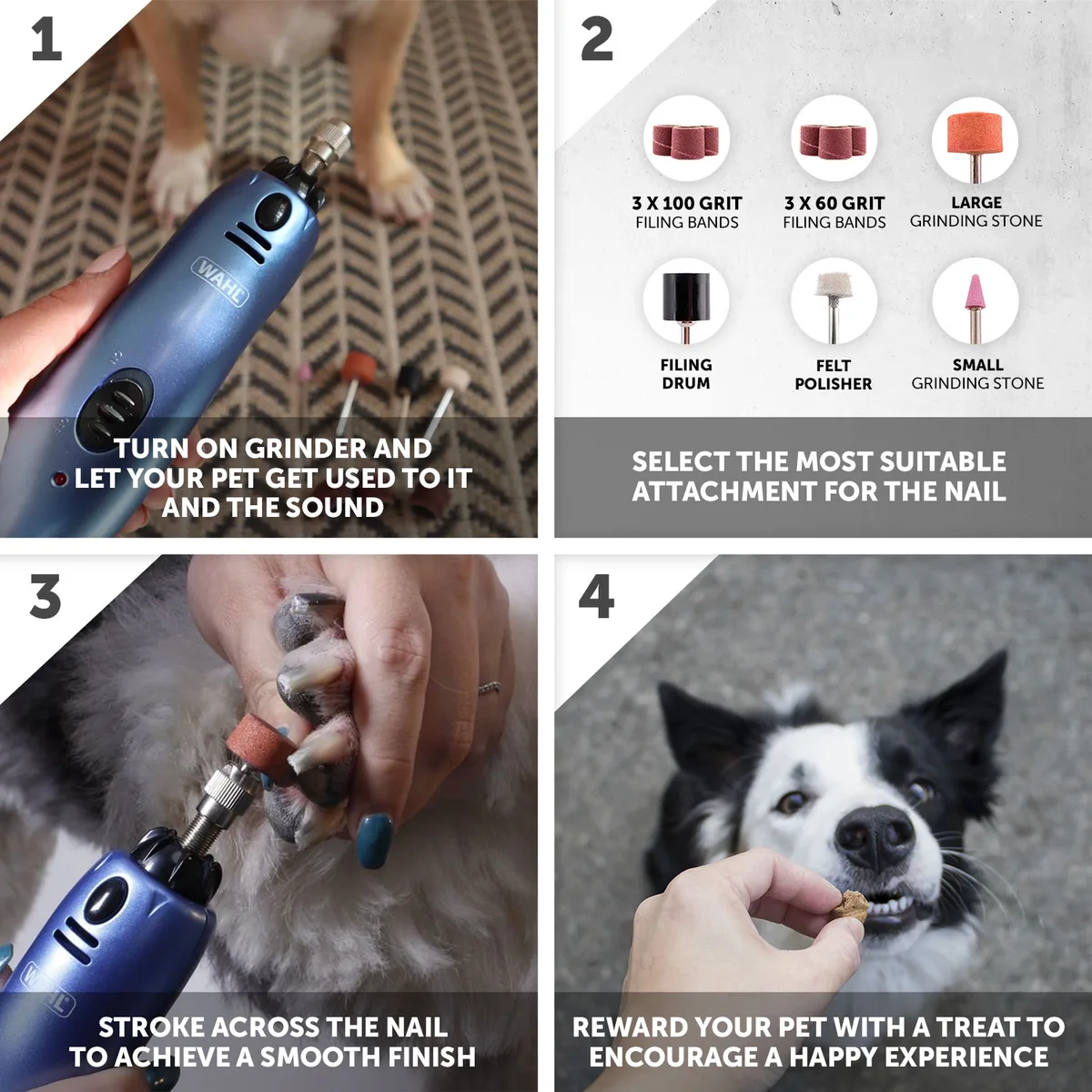
Electric nail grinders replace clippers for many owners. Clippers crush nails if dull. Grinders sand them down smoothly.
This reduces splintering. Heat generation is the main concern. Pause frequently.
Let the bit cool. Touch the nail tip to check temperature. Warmth signals danger.
Switch bits regularly. Worn grinding surfaces create excess friction. Sharp, fresh diamonds cut cooler and faster.
Vacuum attachments deserve mention. Specialized pet hoses connect directly to canister vacuums. They suck loose hair off the coat simultaneously.
This captures allergens before they settle on furniture. HEPA filtration is mandatory here. Without it, you recirculate dander into the air.
Asthma sufferers benefit immensely. Ensure seals are tight. Leaks reduce suction efficiency dramatically.
Clean filters after every use. Clogged motors burn out quickly. Maintenance protects your investment.
The Decision Workflow: Three Questions Before You Buy
Don’t impulse buy. Follow this logical sequence. Answer three core questions honestly.
Your responses dictate the purchase. Skipping steps leads to buyer’s remorse.
First, define your objective. Are you saving time? Reducing allergens?
Managing arthritis? Or improving coat health? Each goal points to a specific tool class.
Time-saving favors high-velocity dryers. Allergen control demands powered vacuums. Physical relief suggests lightweight electric brushes.
Health improvement requires careful deshedding techniques. Clarity prevents mismatched expectations.
Second, evaluate sensory tolerance. Can your pet handle noise? Vibration?
Air pressure? Conduct a trial run. Borrow a friend’s unit or visit a store demo.
Watch reactions closely. Hiding indicates incompatibility. Freezing shows confusion.
Relaxation proves suitability. If your dog trembles, no amount of training fixes the immediate utility gap. Choose quieter alternatives first.
Build confidence gradually.
Third, assess maintenance reality. Motorized tools clog. Blades dull.
Batteries degrade. Filters fill up. Do you have time to clean them weekly?
Neglect kills performance. A dirty dryer blows dust onto clean fur. A blunt grinder burns nails.
Factor in replacement costs. Parts aren't always cheap. Check availability locally.
Import delays frustrate users. Reliability trumps features. Pick a brand with accessible support channels.
If answers align positively, proceed. If any flag appears red, reconsider. Maybe hire a pro instead.
Sometimes outsourcing beats owning. Calculate annual groomer fees versus tool cost plus electricity plus repairs. Break-even points vary.
Heavy shedders hit parity within six months. Light groomers may never justify ownership. Be realistic about usage frequency.
Occasional needs don't warrant permanent storage space. Rent specialized equipment for rare events like mud baths. Save cash for daily essentials.
Cost-Benefit Analysis: Upfront Price vs. Long-Term Value
Sticker price deceives. Cheap units fail fast. Premium models last years.
Evaluate total cost of ownership. Include consumables. Brushes wear out.
Filters need replacing. Batteries lose capacity after 300-500 cycles. Budget for these recurring expenses.
Professional grooming averages $60-$100 per session. Twice monthly equals $1,440-$2,400 yearly. A quality dryer costs $200-$400.
Payback occurs in two months. Add electricity. Running a 1,500-watt motor for 20 minutes uses minimal power.
Pennies per session. Financial logic strongly favors DIY for frequent groomers.
Hidden costs lurk though. Damaged skin requires veterinary care. Treating hot spots costs hundreds.
One mistake wipes out savings. Skill acquisition takes time. Mistakes happen during learning curves.
Account for this risk. Insurance policies rarely cover cosmetic grooming errors. Prevention is cheaper than cure.
Invest in education alongside hardware. Read manuals thoroughly. Watch verified tutorials.
Understand mechanics before activation.
Resale value differs too. Established brands hold worth. Generic knockoffs become landfill trash.
Sell used gear on community boards. Recoup some initial spend. Eco-conscious buyers appreciate refurbished items.
Extend lifecycle responsibly. Dispose of electronics via certified recyclers. Lithium batteries pose fire hazards in regular trash.
Handle end-of-life stages carefully. Sustainability adds intangible value. Feel good about reducing waste.
Smart consumption reflects well on pet stewardship.
Critical Safety Protocols and Common Missteps
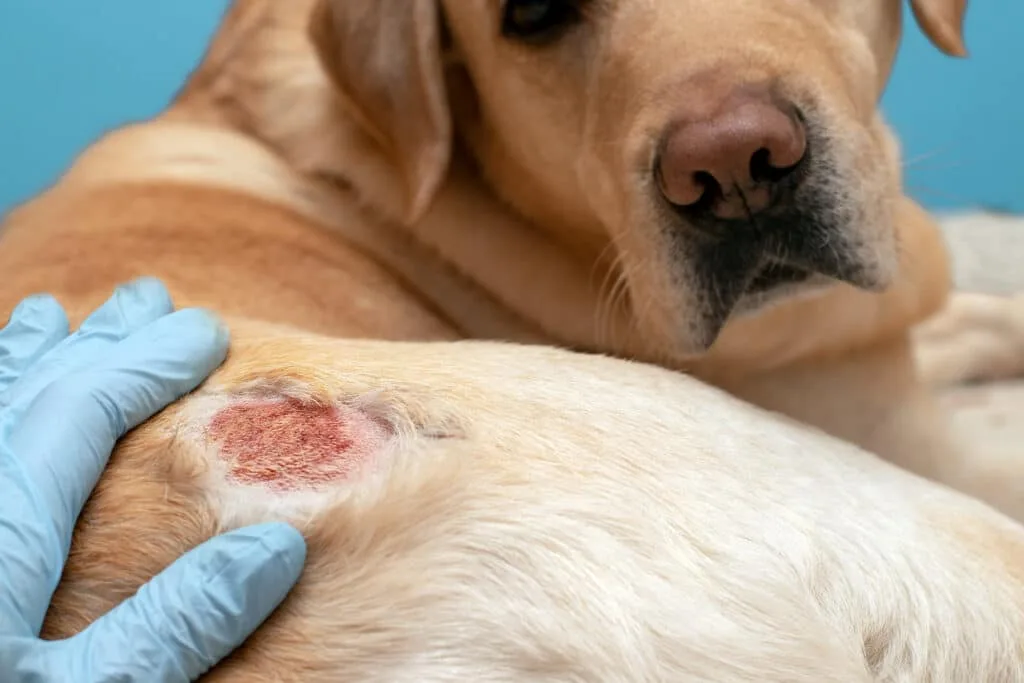
Over-grooming is the silent killer of skin health. Motorized tools remove hair efficiently, often stripping protective oils along with loose fur. This compromises the epidermal barrier.
Dry, flaky skin becomes susceptible to bacterial invasion. Limit sessions to ten minutes per area. Inspect the coat afterward for redness or heat.
If you see pink patches, stop immediately. Let the skin recover for forty-eight hours before resuming.
Blade guards are not optional accessories. They prevent direct contact between spinning metal and delicate tissue. Removing them increases cutting risk exponentially.
Even slight hand tremors can slice skin at high RPMs. Always verify the guard is secure before powering on. Check for cracks or warping regularly.
Damaged guards fail unpredictably. Replace them at the first sign of wear. Never improvise with makeshift covers.
Manufacturer specifications exist for a reason. Ignoring them voids warranties and invites injury.
Desensitization requires patience, not force. Rushing this phase creates lasting trauma. Start by letting your pet sniff the powered-off device.
Reward curiosity with treats. Next, turn it on at a distance. Keep sessions under five seconds initially.
Gradually increase proximity only when the animal remains calm. If they show stress signs, reset the distance. Consistency builds trust.
Inconsistency breeds fear. Remember that silence is golden during training. Loud noises trigger primal escape instincts.
Respect their auditory sensitivity.
Common errors include working against the grain aggressively. This pulls hair roots rather than lifting shed fur. Resultant pain causes resistance and aggression.
Always follow natural hair growth direction. Use short, controlled strokes. Avoid circular motions near bony prominences like elbows or hips.
These areas have thin skin and little cushioning. Pressure here bruises easily. Monitor breathing rates during use.
Rapid panting indicates overheating or anxiety. Pause and cool down. Hydrate your pet frequently.
Safety protocols protect both parties. Neglecting them turns helpful tools into hazards. Prioritize welfare over aesthetics every time.
Frequently Asked Questions
Can I use a motorized dryer on cats?
Generally, no. Most cats suffer extreme noise aversion. The high decibel levels cause panic.
Exceptions exist for specific quiet models designed for felines. Even then, supervision is mandatory. Never leave a cat alone with running equipment.
Stress-induced urinary blockages are fatal risks. Stick to gentle towel drying or low-speed fans. Consult a veterinarian if behavioral issues persist.
Safety outweighs convenience for small animals.
How often should I replace deshedding blades?
Inspect blades after every fifth use. Look for dull edges or bent teeth. Dull tools tug instead of cut, causing pain.
Replacement intervals vary by brand and usage intensity. Heavy-duty professional models may last six months. Consumer-grade units often need swapping quarterly.
Store spare parts in dry places. Moisture rusts stainless steel quickly. Sharp blades ensure efficient hair removal without damaging follicles.
Regular maintenance extends tool life significantly.
Do electric nail grinders hurt more than clippers?
No, they typically hurt less when used correctly. Clippers crush nails if blades are dull. Grinding sands them smoothly.
However, friction generates heat. Overheating burns the quick inside the nail. Pause frequently to cool bits.
Touch the nail tip to check temperature. Warmth means stop immediately. Use diamond-coated bits for cooler operation.
Proper technique prevents discomfort entirely. Practice on dead samples first. Confidence reduces accidental pressure errors.
Is a HEPA filter necessary for pet vacuums?
Yes, absolutely. Standard filters miss microscopic dander particles. These allergens remain airborne, triggering asthma attacks.
HEPA certification guarantees 99.97% capture efficiency at 0.3 microns. This protects human respiratory health effectively. Without it, you merely redistribute allergens.
Clean filters monthly to maintain suction power. Clogged filters strain motors and reduce airflow. Invest in genuine replacement cartridges.
Third-party options often leak air. Seal integrity matters more than brand loyalty for allergy sufferers.

Similar Posts