Robot vs Manual Vacuum: Which Cleans Your Home Better?
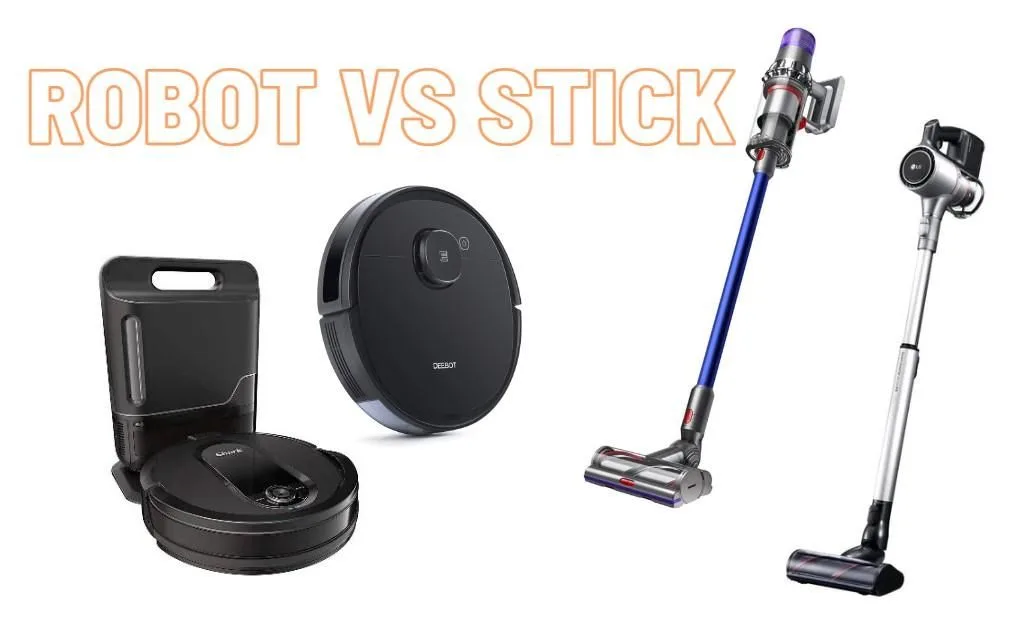
Figuring out how to choose between a robot vacuum and a manual vacuuming routine isn't about picking the "better" tool. It's about matching your cleaning style to your home's physical reality. Most people buy a robot expecting magic, then get frustrated when it misses spots or gets stuck on socks.
We've seen aggregate reviews show that success depends entirely on three variables: floor complexity, pet shedding volume, and your tolerance for maintenance. As of 2026, hybrid routines are becoming the standard for busy households. Let's break down exactly which path fits your life.
Quick Answer
Choosing between a robot vacuum and manual routine depends on your floor plan and time budget. Robots excel at daily maintenance in open, single-level homes with low-pile carpets. Manual vacuums offer superior deep-clean control for complex layouts, high-pile rugs, and large debris.
If you have pets or mobility issues, automate daily upkeep. Reserve manual sessions for weekly edge-to-edge precision.
The Real Trade-Off: Automation vs. Control
The core difference isn't suction power. It's consistency versus intensity. A robot vacuum provides consistent, low-intensity cleaning every day.
It removes dust before it settles into fibers. This prevents buildup without demanding your attention.
Manual vacuuming offers high-intensity, targeted cleaning. You can focus on specific stains, corners, or heavy traffic areas. But it requires significant effort and time.
You must be present to push, pull, and maneuver the machine.
Think of it like brushing your teeth. A robot is like an electric toothbrush running automatically for two minutes. Manual vacuuming is like flossing carefully around each tooth.
You need both for optimal oral health. Similarly, most homes benefit from automated daily sweeps plus occasional manual detailing.
If you prioritize convenience, automation wins. If you prioritize thoroughness in tricky spots, manual wins. The mistake many make is assuming one replaces the other entirely.
They don't. They serve different functions in a complete hygiene strategy.
Step 1: Audit Your Space and Habits (The Decision Filters)
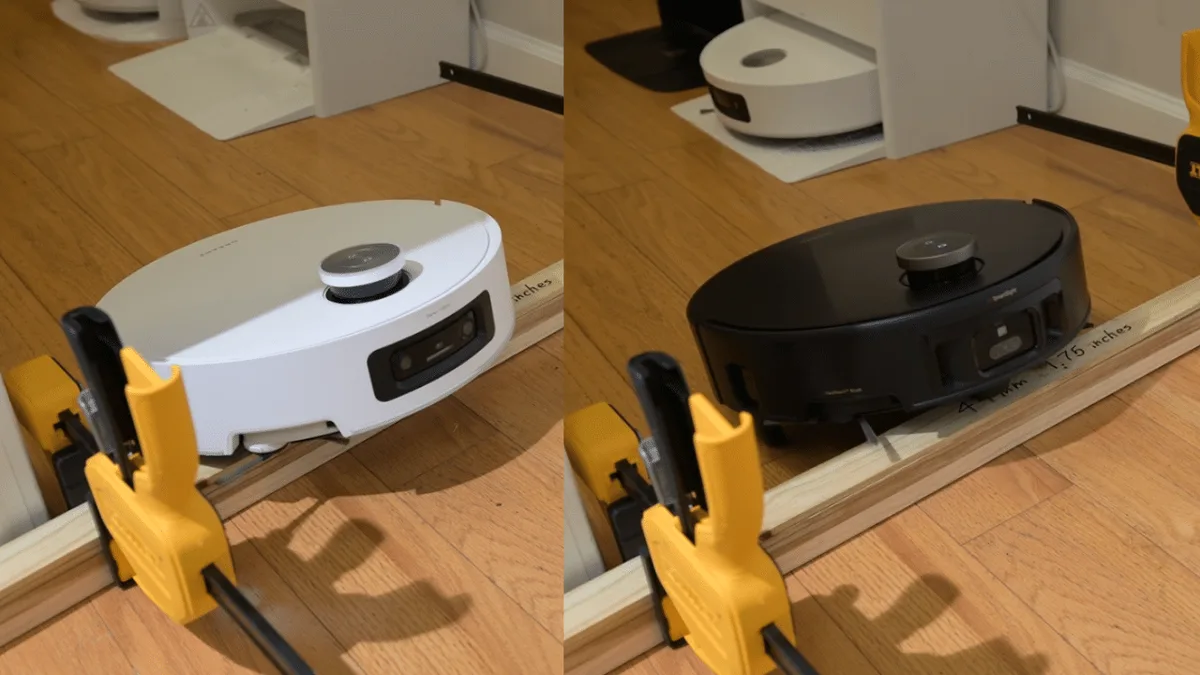
Before buying anything, measure your constraints. Start with threshold heights. Check the transition strips between rooms.
Most robots climb thresholds up to 20mm comfortably. Anything higher risks getting stuck or damaging the unit. Measure these gaps now.
Next, assess your flooring mix. Do you have mostly hardwood? Robots shine here.
Mostly thick shag carpet? Stick with a powerful upright. Mixed surfaces require careful consideration of brush roll design.
Some robots struggle with long pile fibers, causing tangles that halt operation.
Finally, evaluate your schedule. Can you tidy up before a run? Robots fail if cables, toys, or clothing litter the floor.
If you hate pre-cleaning, a robot becomes a burden, not a helper. Honest self-assessment here saves money later.
| Factor | Robot Friendly | Manual Preferred |
|---|---|---|
| Threshold Height | Under 20mm | Any height |
| Carpet Pile | Low to medium | High/Shag |
| Debris Size | Fine dust/hair | Large chunks/popcorn |
| Tidy-up Effort | Required before run | None needed |
| Home Layout | Open, single-level | Multi-room, narrow halls |
Consider your pet situation too. Heavy shedders generate massive amounts of hair. Robots handle this well with anti-tangle brushes.
However, they may miss clumps near walls. Manual vacuums capture those edges reliably. Weigh the frequency of shedding against your willingness to spot-check corners.
Step 2: Map Your Cleaning Style to the Right Tool
Match your audit results to a specific workflow. Scenario A suits the "Set It and Forget It" household. You live in a single-story home with hard floors or low-pile carpet.
You value time over perfect edge coverage. Schedule daily runs while you work. Empty the bin once a week.
Done.
Scenario B fits the "Deep Clean Enthusiast." You have complex layouts, lots of furniture legs, or high-pile rugs. You dislike seeing missed spots. Use a cordless stick vacuum for quick touch-ups.
Perform a full upright session weekly. This gives you total control but demands more labor.
Scenario C is the Hybrid Approach. This works for most families. Run a robot daily for maintenance.
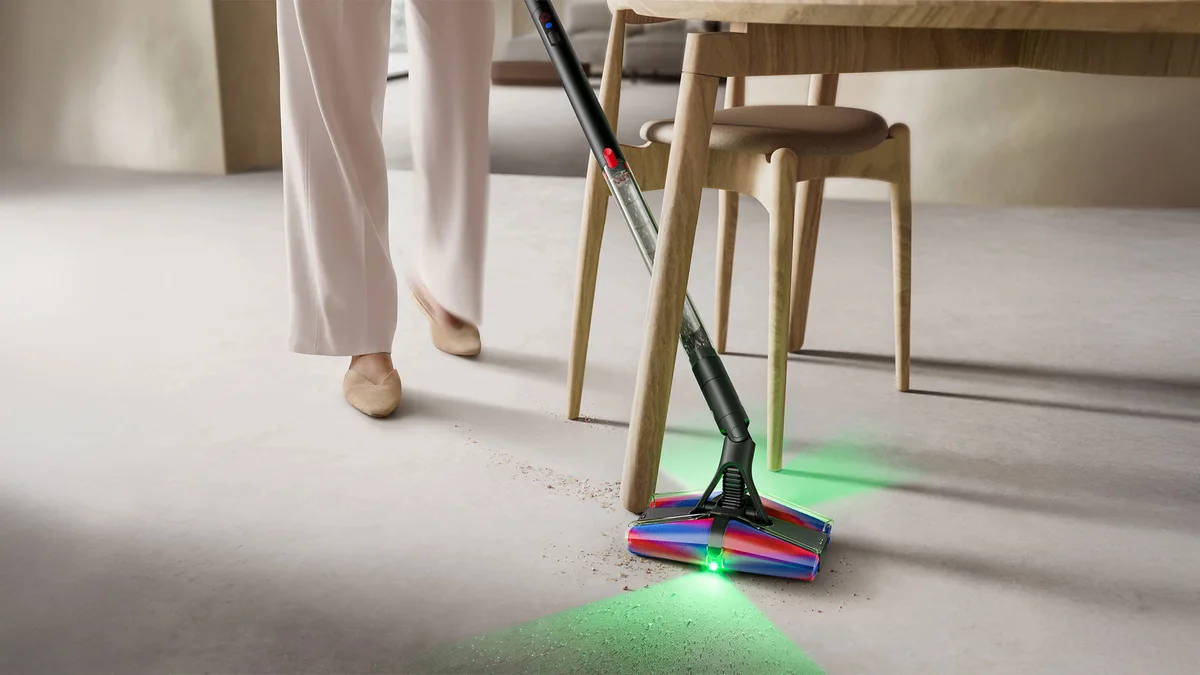
Use a handheld or stick vacuum for stairs, upholstery, and tight corners twice a week. This balances automation with necessary human intervention. It reduces total workload while ensuring cleanliness.
Ask yourself: What bothers me more? Missing a speck of dust under the sofa? Or spending twenty minutes pushing a heavy machine?
If the former, go manual. If the latter, go robotic. There is no wrong answer, only mismatched expectations.
Align your tool choice with your actual pain points, not marketing promises.
When a Robot Vacuum Will Fail You (And How to Fix It)
Robots have distinct failure modes. Knowing them helps you mitigate risk. First, obstacle avoidance limits.
Even advanced LiDAR models struggle with thin black cables or dark socks. These items blend into shadows or confuse sensors. Result: The robot gets tangled or pushes debris around instead of sucking it up.
Second, corner cleaning gaps. Round shapes cannot reach square corners effectively. Side brushes help, but they rarely match the precision of a nozzle attachment.
Over time, dust accumulates along baseboards. This creates visible gray lines that ruin the clean look.
Third, large debris handling. Popcorn kernels, walnut shells, or big toy pieces jam intake ports. Robots aren't designed for structural trash.
Attempting to suck these up often breaks internal fans or clogs filters permanently.

Fixes exist. For cables, use virtual walls or tape off zones. Better yet, store cords in channels.
For corners, perform a monthly manual edge sweep. Use a crevice tool on your stick vacuum. For large debris, pick it up by hand before starting any automated cycle.
Never assume the robot will sort it out. Prevention beats repair every time.
Hidden Costs of Each Routine: Beyond the Sticker Price
Look past the initial purchase price. Operational costs differ significantly. Robots consume electricity continuously.
While small, the dock draws power 24/7. Multiply this by years of ownership. Add replacement parts.
HEPA filters need changing every 3-6 months. Brush rolls wear out annually. Side brushes snap frequently.
These consumables add $50-$100 per year easily.
Manual vacuums have lower recurring costs. Bags or bins are cheaper. Brushes last longer due to less frequent use.
However, factor in your time. At an hourly wage of $25, thirty minutes of weekly vacuuming equals $13 monthly. That’s $156 yearly.
Is the robot worth paying $100 in parts to save $156 in labor? Maybe.
Also consider resale value. Tech depreciates fast. A three-year-old robot sells for pennies.
A well-maintained premium upright holds value better. If you plan to move soon, the financial math shifts. Don't ignore the opportunity cost of your free time either.
Burnout from constant tidying-for-the-robot is real. Calculate total cost of ownership, including stress levels.
Maintenance Workflows That Keep Both Systems Running Smoothly
Neglect kills efficiency faster than dirt does. For robots, weekly sensor wiping is non-negotiable. Dust clouds the cliff sensors and LiDAR turret.
This causes erratic movement or false drop-offs. Use a dry microfiber cloth. Never spray liquid directly onto the unit.
Brush rolls require monthly attention. Hair wraps tightly around axles. This strains motors and reduces suction.
Cut tangled strands with scissors. Remove them carefully to avoid damaging bristles. Check side brushes for wear too.
Frayed edges scatter debris instead of sweeping it in. Replace them every six months.
Manual vacuums demand different care. Empty canisters before they hit maximum capacity. Full bins restrict airflow significantly.
This overheats motors and drops performance. Wash foam filters monthly if reusable. Let them dry completely for 24 hours.
Installing damp filters invites mold. It also clogs internal pathways permanently.
Check hoses for blockages quarterly. A coin or sock often lodges inside. Detach the hose from the wand.
Shine a flashlight through it. Clear obstructions with a long wooden spoon. Avoid metal tools that scratch plastic interiors.
Regular maintenance extends lifespan by years. It keeps suction power consistent. Don’t wait for failure to act.
Preventive care saves money and frustration.
Frequently Asked Questions About Switching Routines
Can I use both together effectively?
Yes, hybrid routines are highly recommended. Run the robot daily for surface dust. Perform manual vacuuming weekly for deep cleaning.
Focus on edges, stairs, and upholstery manually. The robot handles open floor areas efficiently. This combination maximizes cleanliness without excessive labor.
You get automation benefits plus human precision. It’s the most sustainable approach for busy homes.
Do robot vacuums work on all carpet types?
No, they struggle with high-pile shag rugs. Long fibers tangle brush rolls instantly. Robots may also get stuck or stall.
Low-to-medium pile carpets work best. Ensure your model has adjustable suction settings. Higher power helps lift embedded dirt.
Always test on a small area first. If hair wraps excessively, switch to manual. Protect your investment from unnecessary damage.
How often should I replace robot filters?
Every three to six months typically. Manufacturer specs vary by usage intensity. Pets and heavy dust shorten filter life.
Clogged filters reduce airflow and battery runtime. Inspect them monthly for visible grime. Tap gently over trash to remove loose dust.
Do not wash paper HEPA filters. They disintegrate when wet. Replace immediately if torn or saturated.
Fresh filters ensure optimal air quality.
Is manual vacuuming better for allergies?
Not necessarily. Frequency matters more than method. Daily robot runs prevent allergen buildup.
Manual sessions twice weekly might allow accumulation. However, manual vacuums offer superior edge cleaning. Allergens hide in corners and baseboards.
Combine both for best results. Use a robot with a sealed system. Pair it with a manual HEPA vacuum.
This dual strategy captures fine particles effectively. Consistency beats intensity for allergy relief.

Similar Posts