Safe Stair Cleaning: How to Use a Handheld Vacuum
Most people grab a handheld vacuum for stairs because it’s light and easy. But that ease creates false confidence. You’re balancing on narrow treads while holding a vibrating tool in one hand.
This combination is a recipe for slips and falls if you ignore basic stability rules. Learning how to clean stairs with a handheld vacuum safely means prioritizing your footing over speed.
We’ve seen too many accidents happen simply because users didn’t check their environment first. The Consumer Product Safety Commission notes that falls are the leading cause of injury-related deaths among older adults, but they affect all ages. As of 2026, modern cordless units offer better suction but haven’t changed the physics of balance.
Let’s break down exactly how to keep both your floors and your body safe.
Quick Answer
To clean stairs safely, always maintain three points of contact. Keep one hand firmly on the railing at all times. Use only lightweight handheld vacuums under two pounds.
Never stand on the edge of a tread. Work from top to bottom. Ensure adequate lighting before starting.
Stop immediately if you feel unstable or fatigued.
Why Handheld Vacuums Are Riskier on Stairs Than You Think
Handheld vacuums shift your center of gravity unexpectedly. Unlike upright models, you hold the entire weight in one arm. This forces your shoulder and core muscles to work harder to stabilize your torso.
On flat ground, this is manageable. On stairs, it throws off your balance.
The vibration adds another layer of difficulty. It travels up your arm and can distract your focus from your foot placement. Aggregate user reviews consistently highlight wrist strain as a major issue during prolonged use.
When your grip weakens, the device feels heavier. That sudden increase in perceived weight can jerk your posture.
You also lose peripheral vision when looking down at small nozzles. You’re focused on crumbs, not your steps. This tunnel vision increases tripping risks.
Manufacturer specs confirm most handhelds weigh between 1.5 and 3.5 pounds. While light, carrying that load awkwardly for ten minutes tires you out quickly. Fatigue leads to sloppy movements.
Sloppy movements lead to falls.
The Pre-Clean Safety Check That Prevents Falls
Never start cleaning until you’ve cleared the hazard zone. Loose objects on stairs are invisible traps. Pick up toys, shoes, or laundry baskets before you plug in or charge your device.
A single sock can send you tumbling.
Check your lighting next. Dim stairwells hide dust and depth perception errors. Turn on overhead lights or use a headlamp if necessary.
You need to see every tread clearly. If your stairs have carpet runners, ensure they’re tightly secured. Ripping edges catch toes instantly.
Inspect the staircase structure itself. Look for wobbly balusters or loose treads. If a step creaks or shifts under gentle pressure, do not clean it yet.
Repair it first. Your safety depends on structural integrity, not just your technique. Finally, wear closed-toe shoes with good grip.
Slippers or socks are dangerous on smooth wood or tile surfaces.
Step-by-Step: Cleaning Carpeted and Hardwood Stairs Safely
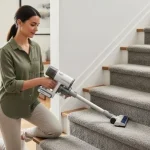
Start at the very top landing. Stand with both feet centered on the widest part of the tread. Do not stand on the nosing (the front edge).
Place your free hand firmly on the banister. This gives you three points of contact: two feet and one hand.
Hold the vacuum low, near your waist. Don’t raise it above chest height. Keeping the weight low stabilizes your core.
Use short, controlled strokes. Push the nozzle forward along the grain of the carpet or parallel to the wood planks. Avoid jerky sideways motions that twist your spine.
Move down one step at a time. Shift your weight slowly. Never try to reach the next step while still cleaning the current one.
Finish the tread completely before stepping down. For hardwood, switch to a soft-bristle attachment to prevent scratching. For carpet, use a motorized brush head if available, but watch for hair tangling.
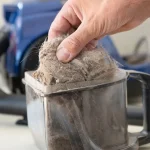
Empty the bin frequently. A full bin reduces suction power, forcing you to press harder. Pressing harder destabilizes your stance.
Stop when you reach the bottom. Coil any charging cables neatly away from walkways. Leaving cords across stairs is a severe trip hazard.
Critical Mistakes That Turn a Quick Clean Into an Emergency
Reaching across multiple steps is the most common error. Users try to save time by leaning over the railing to clean adjacent areas. This extends your center of mass dangerously far from your base of support.
One slip becomes a tumble. Always reposition your feet before changing angles.
Ignoring battery levels mid-clean creates panic. Running out of power halfway up leaves you stranded with a dead tool. Charge fully beforehand.
Monitor the indicator light. If it blinks, stop and recharge. Don’t risk dropping the unit because you’re fumbling with controls.
Using heavy extensions or wet attachments adds unnecessary weight. Stick to the standard nozzle or lightweight crevice tool. Water-based cleaning solutions don’t belong in dry vacuums.
Moisture damages motors and makes handles slippery. Dry debris only.
Distraction is lethal on stairs. No phones, no talking, no music headphones blocking ambient noise. Hear your footsteps.
Feel the tread beneath you. Focus entirely on movement. Multitasking divides attention.
Divided attention causes accidents. Treat stair cleaning like operating machinery: full concentration required.
Choosing the Right Tool for Your Specific Staircase Type
Not all staircases demand the same approach. Curved or spiral stairs require extreme caution. The treads taper inward, reducing stable footing area.
Use the lightest possible handheld model here. Consider renting a professional-grade stick vacuum with a flexible hose instead. Hoses allow you to stay grounded while reaching tricky spots.
Straight wooden stairs benefit from soft-bristle brushes. Hard plastic nozzles scratch finishes. Test attachment compatibility first.
Some universal brushes fit poorly on narrow treads. Measure your tread width against the nozzle diameter. Mismatched tools force awkward angles.
Carpeted stairs trap deep dirt. High-suction models help, but weight matters more. Heavy vacuums tire arms quickly on vertical surfaces.
Opt for ergonomic designs with trigger locks. These reduce finger strain during long sessions. Check warranty terms for commercial use versus residential limits.
Misusing tools voids coverage.
| Stair Type | Recommended Attachment | Max Safe Weight | Key Technique |
|---|---|---|---|
| Straight Wood | Soft Bristle Brush | Under 2 lbs | Parallel strokes only |
| Carpeted Runner | Motorized Mini-Brush | Under 2.5 lbs | Slow, overlapping passes |
| Spiral/Curved | Crevice Tool | Under 1.8 lbs | Stay central on tread |
| Outdoor Stone | Wide Floor Nozzle | Under 3 lbs | Watch for moss/slippery patches |
Selecting the wrong tool increases physical effort. Effort leads to fatigue. Fatigue leads to falls.
Match the device to the surface complexity. Simpler stairs allow slightly heavier tools. Complex geometries demand minimalism.
Maintenance Habits That Keep Suction Strong and Batteries Safe
Clogged filters are the silent killer of suction power. When airflow drops, you instinctively press harder against the stair tread. This increased pressure destabilizes your grip on the railing.
Check the pre-motor filter after every use. Tap it gently over a trash bin to dislodge dust. Never wash foam filters unless the manual explicitly says so.
Water damage ruins electrostatic properties permanently.
Battery health directly impacts safety during extended cleaning sessions. Lithium-ion cells degrade if left at 0% or 100% for weeks. Store your handheld vacuum in a cool, dry place away from direct sunlight.
Heat accelerates chemical breakdown inside the cell. A swollen battery is an immediate fire hazard. Inspect the casing regularly for bulging or cracks.
If you see any deformation, stop using the device entirely.
Empty the dustbin before it reaches the maximum fill line. Full bins create backpressure that strains the motor. This strain generates excess heat.
Overheating motors can melt internal plastic components. Manufacturer guidelines typically recommend emptying after each flight of stairs. Use a crevice tool to remove hair wrapped around the brush roll.
Tangled fibers increase resistance and noise levels. Clean sensors with a dry microfiber cloth to ensure automatic shut-off features work correctly. Neglected maintenance turns a simple chore into a mechanical failure risk.
Frequently Asked Questions About Stair Vacuuming Safety
Can I use a corded handheld vacuum on stairs?
No. Cords create significant trip hazards on narrow treads. You cannot maintain three points of contact while managing slack cable.
The weight distribution also shifts unpredictably when the cord catches on balusters. Stick exclusively to cordless models for staircase cleaning. Corded units belong on flat floors only.
The risk of falling outweighs any minor suction benefit. Always prioritize wireless freedom for vertical surfaces.
How often should I replace the HEPA filter?
Replace disposable HEPA filters every six to twelve months. Washable versions last longer but require thorough drying. Damp filters promote mold growth inside the vacuum chamber.
Mold spores blow back onto freshly cleaned stairs. Inspect the filter monthly for tears or discoloration. Damaged seals allow allergens to escape.
Proper filtration protects both your respiratory health and the cleanliness of your home. Follow manufacturer intervals strictly for optimal performance.
What if my stairs have no handrail?
Use a sturdy chair or table for support instead. Position it safely beside the staircase before starting. Never rely solely on wall touch for balance.
Walls may be slippery or uneven. Consider hiring a professional cleaner for rail-less staircases. The lack of a secure anchor point increases fall risk dramatically.
If you must clean alone, limit session duration to five minutes. Frequent breaks prevent muscle fatigue-induced instability. Safety gear like non-slip shoes becomes mandatory here.
Do lightweight vacuums sacrifice too much power?
Modern lithium batteries deliver sufficient torque for most residential debris. You don’t need industrial-grade suction for crumbs and pet hair. Heavier units strain wrists and compromise balance more than they improve results.
Choose a model under two pounds for best ergonomics. Look for high air-watt ratings rather than bulk size. Efficient aerodynamics matter more than raw motor wattage.
Lighter tools reduce accident likelihood significantly. Prioritize agility over brute force on vertical surfaces.

Similar Posts