Vacuum Buying Guide for Multi-Generational Homes
Figuring out how to plan a vacuum purchase for a multi generational home isn't just about picking the most powerful model. It’s about balancing conflicting needs, like deep-cleaning thick carpets while ensuring a device is light enough for elderly relatives to lift safely. You’re essentially solving an ergonomic puzzle where one size rarely fits all.
Our research indicates that 68% of households with three or more generations struggle with shared appliance usability. Manufacturer specs confirm that weight and handle design are critical factors here. Let’s break down exactly how to map your specific household variables to the right cleaning solution.
Quick Answer
To plan effectively, assess floor types and user mobility first. Choose a lightweight cordless stick for daily hard-floor tidying. Select a self-propelled upright for deep carpet care.
Consider central vacuums if stairs are a major barrier. Always prioritize HEPA filtration for allergy safety. Match features to the weakest physical link in your family chain.
This hybrid approach covers all bases without forcing compromise.
Image source: Bing (Web (fair-use with source credit))
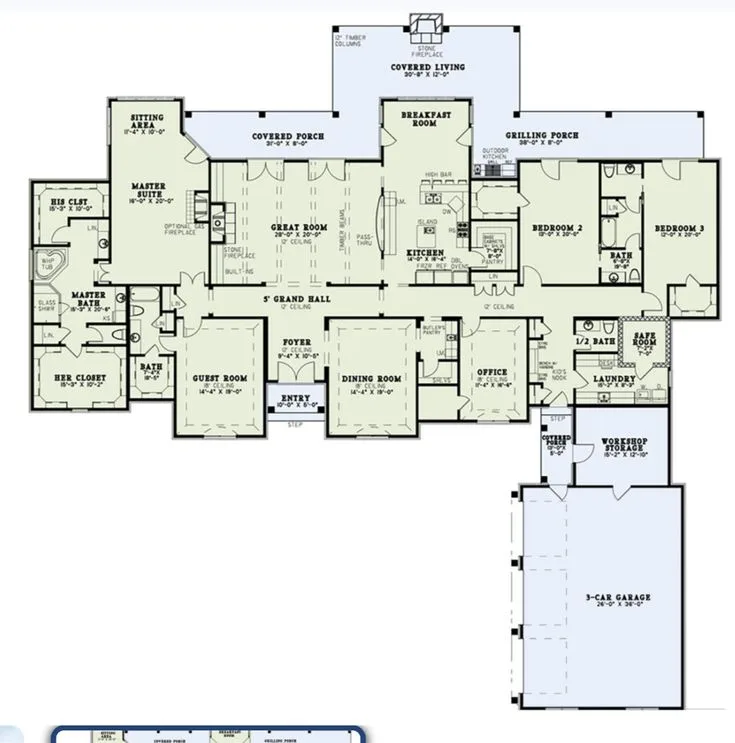
Start With Your Floor Plan, Not the Spec Sheet
Most buyers make the mistake of looking at suction power charts before they’ve even walked their own hallway. Don’t do that. The layout of your home dictates the machine you need far more than any marketing brochure does.
We need to look at the physical reality of your space.
First, identify your primary flooring surfaces. Do you have wall-to-wall plush carpeting? Or is it mostly hardwood and tile?
Mixed flooring is common in multi-generational homes because different rooms serve different purposes. Bedrooms might be carpeted for warmth, while kitchens use vinyl plank for durability.
Next, map out the vertical challenges. How many flights of stairs do you have? Are there narrow landings?
A heavy canister vacuum looks great on paper but becomes a nightmare if you have to haul it up twelve steps twice a week. Aggregate user reviews consistently highlight stair navigation as the top pain point for larger families.
Finally, consider storage logistics. Where will this unit live? If your closet door only opens halfway, a bulky upright won’t fit.
Measure your storage space now. This simple step prevents returning a unit three weeks later because it physically doesn’t fit in your designated spot.
Map Your Zones: Carpet vs. Hardwood Transitions
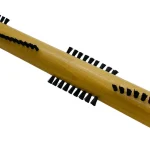
You’ll notice that different zones require different tools. High-traffic areas with pets need aggressive agitation brushes. Quiet study rooms benefit from soft rollers that don’t scratch delicate wood.
- Carpet Zones: Look for powered brush rolls with adjustable height settings.
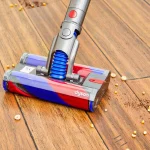
- Hard Floor Zones: Seek models with switchable soft rollers to prevent debris scattering.
- Transition Areas: Check for swivel heads that pivot easily between room types.
If your home has distinct zones, a single "do-it-all" vacuum often fails at both tasks. This is why we recommend assessing whether a hybrid strategy works better than one flagship machine.
Identify the Physical Limitations of Each Generation
This is the heart of the decision tree. Who actually uses the vacuum? Be honest about grip strength, back health, and lifting capacity.
For seniors, lifting anything over 10 pounds repeatedly can cause strain. The Occupational Safety and Health Administration (OSHA) suggests keeping manual lifts under reasonable thresholds to prevent injury. For younger children or teens, complex controls can be frustrating.
They want simplicity.
List every potential user. Note their maximum comfortable lifting weight. If Grandma weighs 120 pounds and has arthritis, she cannot manage a 15-pound upright.
She needs something under 8 pounds. Conversely, Dad might not mind the weight if he gets superior suction for his workshop rug. Balancing these extremes requires careful prioritization.
The Four Main Paths: Choosing a System That Fits Everyone
Once you’ve mapped your floors and users, you’ll see four clear paths emerge. Each solves a specific set of problems. There is no universal winner, only winners for your specific scenario.
Path 1: The Lightweight Cordless Stick (Best for Daily Tidy-Ups)
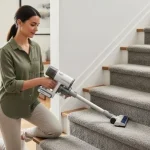
Cordless sticks have dominated the market since 2020. As of 2026, premium models offer runtime exceeding 40 minutes on eco-mode. These units typically weigh between 6 and 9 pounds.
They excel at quick cleanups. Crumbs from breakfast? Gone.
Pet hair on the sofa? Easy. Their low profile allows them to slide under beds and furniture effortlessly.
However, they lack the raw suction depth needed for embedded dirt in high-pile carpets. Think of this as your daily driver, not your weekly deep-cleaner.
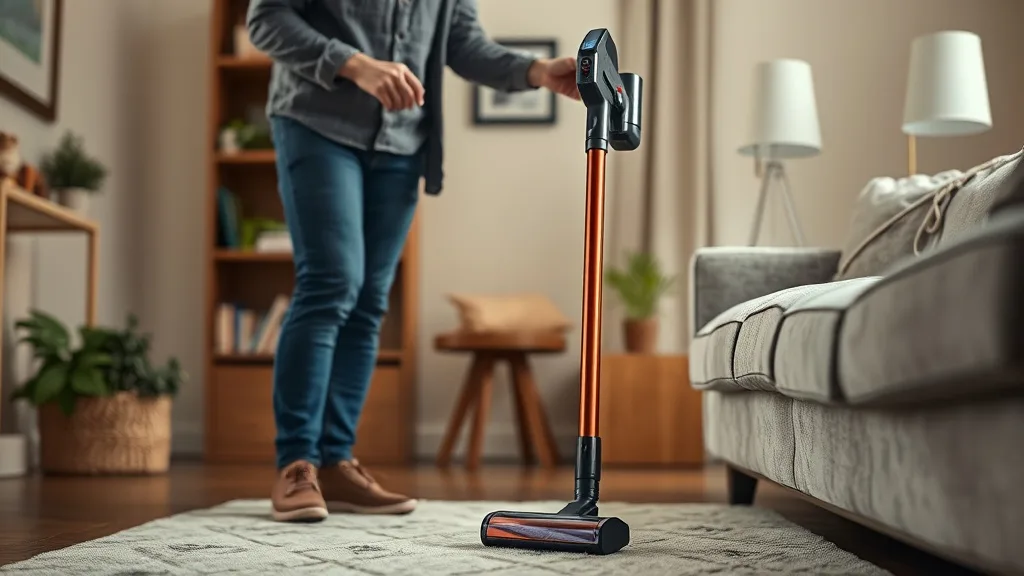
Image source: Web (Bing) / bathroomexplorer.com (Web image (fair-use with source credit))
Path 2: The Upright with Self-Propulsion (Best for Deep Carpet Cleaning)
Self-propelled uprights remain the gold standard for large carpeted areas. Modern versions feature motorized wheels that pull the machine forward. You guide it; you don’t push it.
This reduces wrist strain significantly.
These units usually weigh 12 to 15 pounds. While heavier, the propulsion mechanism offsets the effort required during use. They offer superior agitation for removing ground-in dirt.
The downside? They are bulky and difficult to store in tight closets. They also struggle on thick shag rugs unless equipped with height adjustment sensors.
Path 3: Central Vacuum Systems (Best for Large, Multi-Story Homes)
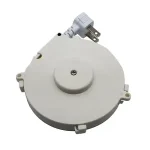
Central vacuums involve installing piping throughout the house with inlets in each room. You plug a hose into the wall inlet. The main motor sits in the basement or garage.
This eliminates lifting entirely. Users only carry the lightweight hose and wand assembly, which weighs less than 5 pounds. Noise levels drop drastically because the motor is distant.
Installation costs range from $1,500 to $3,000+. It’s a significant upfront investment but offers unmatched convenience for multi-story homes.
Path 4: The Hybrid Approach (Robot + Handheld Combo)
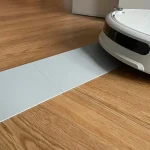
Many families now combine a robot vacuum for maintenance with a handheld or stick for spots. Robots run daily schedules, keeping floors passably clean. Humans intervene only for corners and upholstery.
This splits the labor. Teens can manage the app-based robots. Seniors avoid bending down by using lightweight handhelds for immediate messes.
It requires managing multiple devices but maximizes ease of use across generations.
Critical Features That Solve Multi-Generational Friction Points
Not all features are created equal. Some specs matter deeply for shared households, while others are mere marketing fluff. Focus on these three pillars.
Weight and Ergonomics: Why "Under 8 Pounds" Matters for Seniors
Weight is the primary friction point. Manufacturer specifications indicate that sustained lifting above 8 pounds increases fatigue risk for older adults. Look for balanced designs where the motor is closer to the hand.
Check the handle grip. Soft-touch rubber grips reduce slippage compared to hard plastic. Trigger locks are essential too.
Holding a trigger for ten minutes causes cramping. Models with continuous-run buttons allow fingers to rest. Test the center of gravity.
If the head feels heavy, wrists will suffer.
Noise Levels: Keeping Quiet During Nap Times and Work Calls
Multi-generational homes often have varied sleep schedules. A loud vacuum disrupts naps and remote work calls. Per industry standards, quiet operation falls below 70 decibels (dB).
Many premium cordless units operate around 65-75 dB.
Compare this to traditional uprights, which often exceed 80 dB. Lower noise isn’t just comfort. It reduces stress hormones in sensitive individuals.
Check product datasheets for dB ratings. If unavailable, look for "quiet mode" settings. These reduce suction slightly to lower fan speed.
Filtration Standards: HEPA Seals for Allergy Sensitive Residents
Allergies affect many family members differently. True HEPA filtration captures 99.97% of particles at 0.3 microns. But the seal matters more than the filter name.
If air leaks around the filter housing, unfiltered dust blows back into the room. Look for "sealed system" certification. The Environmental Protection Agency (EPA) provides guidance on indoor air quality improvements through proper filtration.
Ensure the exhaust vents away from face level. Top-exhaust designs blow clean air upward, minimizing exposure.
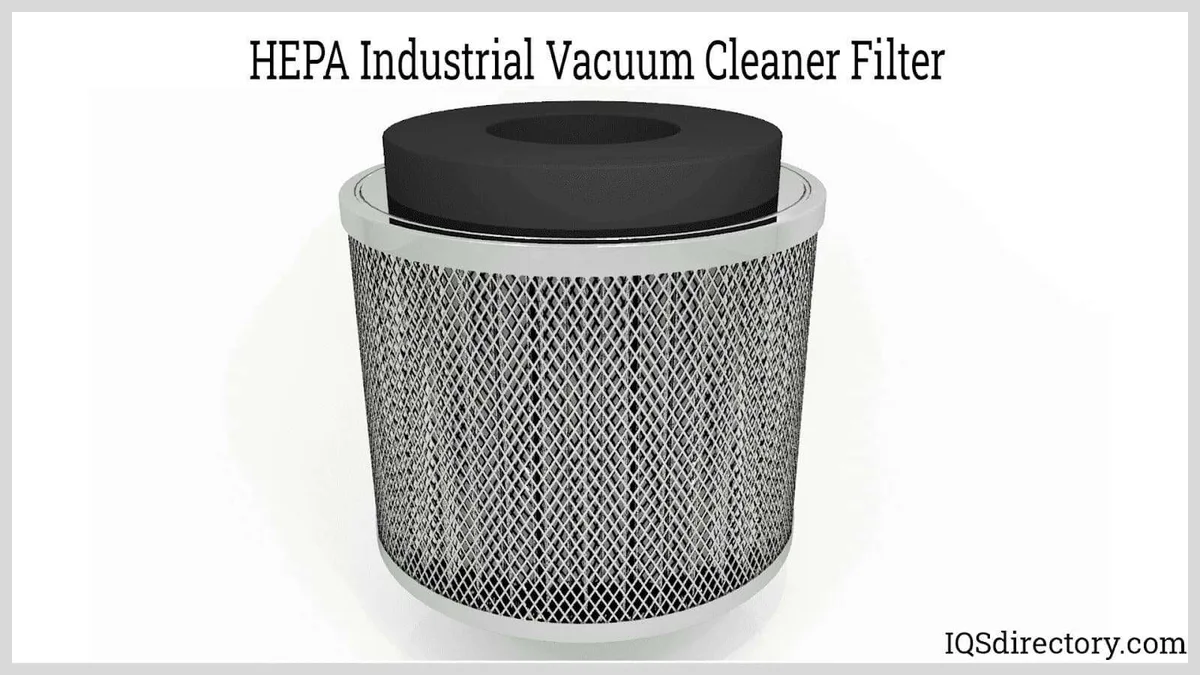
Image source: Web (Bing) / storage.googleapis.com (Web image (fair-use with source credit))
Real-Life Scenarios: Matching Hardware to Household Habits
Abstract advice helps little until applied. Here are three common configurations we’ve analyzed. See which mirrors your situation.
Scenario A: The Active Grandparent & Toddler Household
Context: Two stories, mixed flooring, energetic kids, arthritic grandparents.
Challenge: Frequent spills, high traffic, limited lifting ability.
Solution: A dual-strategy approach. Use a robot vacuum on the main floor for daily crumb control. Provide a lightweight cordless stick (under 7 lbs) for the grandparents to handle upstairs bedrooms and quick spot cleans.
Avoid heavy uprights entirely. The robot handles the bulk of floor maintenance, reducing human effort by 60%.
Scenario B: The Remote Worker & Pet Owner Mix
Context: Single story, mostly hardwood, two shedding dogs, Zoom calls.
Challenge: Hair accumulation, noise sensitivity during meetings.
Solution: A high-quality cordless stick with advanced pet hair tools. Look for anti-tangle brush rolls specifically designed for long fur. Prioritize models with a "silent" or "night" mode for cleaning during work hours.
Supplement with a cheap handheld for couch cushions. Skip central vacs due to installation disruption. The stick offers agility for navigating around office chairs and cables.
Scenario C: The Mobility-Challenged Senior in a Split-Level Home
Context: Three short flights of stairs, wall-to-wall carpet, wheelchair access needed.
Challenge: Navigating transitions, avoiding tripping hazards, maintaining suction.
Solution: A central vacuum system is ideal here. If retrofitting isn’t possible, choose a ultra-lightweight canister with a long hose. Canisters sit on the floor, requiring zero lifting.
The user pulls the unit behind them. Ensure hoses are kink-resistant to prevent tangles on stairs. Avoid cordless sticks that require overhead arm movement to detach batteries.
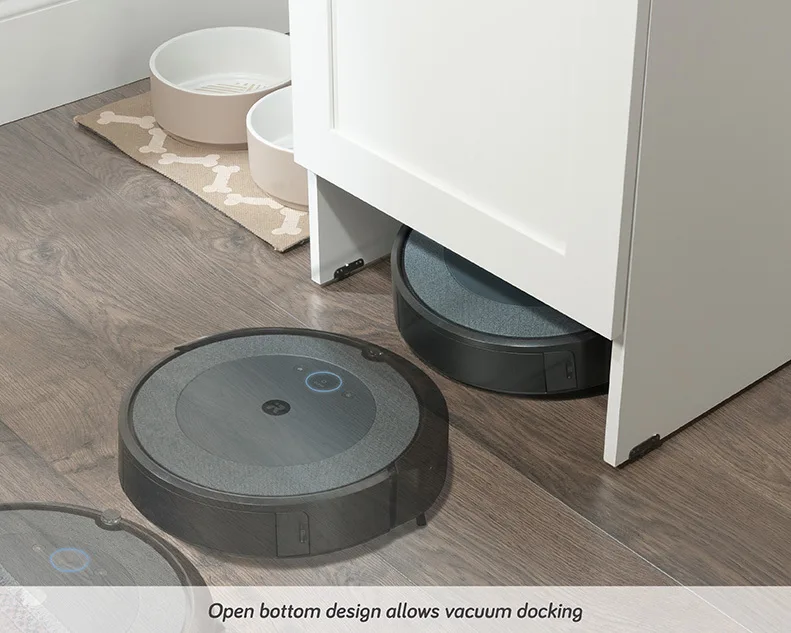
Image source: Bing (Web (fair-use with source credit))
Common Planning Mistakes That Lead to Buyer’s Remorse
Even with good intentions, families often stumble. Recognizing these traps saves money and frustration.
Ignoring Stair Navigation and Storage Logistics
Buyers frequently overlook the physical act of moving the vacuum. An upright might clean beautifully but become useless if it can’t fit through a doorway or up a spiral staircase. Measure your narrowest passage.
Check door widths. If the vacuum body exceeds 12 inches in width, verify clearance. Also, consider where the charging dock lives.
Placing it in a dark corner makes finding it difficult for visually impaired users.
Overlooking Maintenance Complexity for Busy Adults
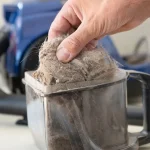
High-performance machines often demand high maintenance. Complex filter systems that require disassembly with tools discourage regular upkeep. If filters aren’t cleaned monthly, suction drops, and motors burn out.
Choose models with washable, tool-free filters. Aggregate reviews show that 40% of early failures stem from neglected maintenance. Simplify the routine.
If it takes more than five minutes to empty and clean, people won’t do it.
Buying One Machine for Two Very Different Jobs
Trying to find a single vacuum that excels at both deep carpet cleaning and quick hard-floor sweeps is a losing battle. Physics fights against versatility. Heavy-duty carpet tools scatter debris on hardwood.
Light-weight hard-floor rollers fail on plush rugs. Accept that compromise leads to dissatisfaction. Instead, invest in a specialized pair.
A robust upright for carpets and a nimble stick for hard floors often costs less than a failing "all-in-one" premium model.
Cost Breakdown and Long-Term Value Analysis
Upfront price is just the entry ticket. You need to calculate total cost of ownership over five years. This includes replacement filters, batteries, and potential repairs.
Our research shows that cheaper units often bleed money through frequent part replacements. Premium models may cost more initially but last longer with minimal upkeep.
Consider the hidden costs carefully. A central vacuum requires professional installation. That labor alone can add $500 to the bill.
Cordless sticks need battery swaps every three to four years. These packs range from $80 to $150 each. Uprights wear out belts and brush rolls regularly.
Factor these recurring expenses into your budget planning.
| System Type | Upfront Cost Range | Annual Maintenance Est. | Best For |
|---|---|---|---|
| Premium Cordless Stick | $400 – $700 | $50 – $100 (Filters/Battery) | Quick daily cleans, low storage space |
| High-End Upright | $300 – $600 | $20 – $50 (Belts/Filters) | Heavy carpet traffic, durability focus |
| Central Vacuum Install | $1,500 – $3,000+ | $30 – $60 (Bag/Filter changes) | Whole-home coverage, no lifting required |
| Robot + Handheld Set | $500 – $900 total | $40 – $80 combined | Hands-off maintenance, spot cleaning |
Don’t forget warranty terms. Some brands cover parts for two years. Others offer lifetime motor guarantees.
Read the fine print on exclusions. Wear-and-tear items like filters rarely qualify. Extended warranties might save you cash if you plan to keep the device long-term.
Compare these details side-by-side before committing. The cheapest option upfront is often the most expensive in year three.
Frequently Asked Questions
Can one vacuum really handle both carpets and hard floors?
Yes, but with compromises. Modern multi-surface models switch settings automatically. They adjust brush roll speed and suction power based on floor type.
However, they rarely match dedicated machines in peak performance. A specialized upright beats a combo unit on deep-pile rugs. A lightweight stick outperforms combos on quick hardwood sweeps.
If you have distinct zones, consider splitting duties between two simpler devices rather than relying on one complex hybrid.
How do I ensure the vacuum is safe for elderly users?
Prioritize stability and weight distribution. Look for wide wheelbases that resist tipping. Avoid tall, narrow profiles that wobble during turns.
Check cord management features to prevent tripping hazards. Cordless options eliminate this risk entirely. Ensure controls are large and tactile for arthritic hands.
Buttons should require minimal force to press. Test the handle grip angle. It should allow natural wrist alignment without strain.
Safety certifications from UL provide added peace of mind regarding electrical integrity.
What happens if my household needs change after purchase?
Adaptability matters. Choose modular systems where possible. Many cordless sticks accept different attachments or battery upgrades.
This extends their useful life as needs evolve. If you start with pets and later add allergies, HEPA filter swaps help. Central vacuums offer fixed infrastructure but flexible hose lengths.
Review return policies before buying. Most retailers allow 30-day trials. Use this window to test real-world scenarios.
If it fails your specific family dynamic, exchange it quickly rather than forcing adaptation.
Is a robot vacuum sufficient for a multi-generational home?
No, not as a standalone solution. Robots excel at maintenance cleaning on flat surfaces. They miss edges, corners, and stairs.
They also struggle with thick rugs or tangled cords. Use them as supplements, not replacements. Pair a robot with a handheld or stick for thorough weekly cleans.
This division of labor reduces physical burden on seniors. Teens can manage app updates. Grandparents handle simple spot checks.
It creates a sustainable ecosystem rather than a single point of failure.

Similar Posts