Best Soft Brush Tools for Delicate Surfaces
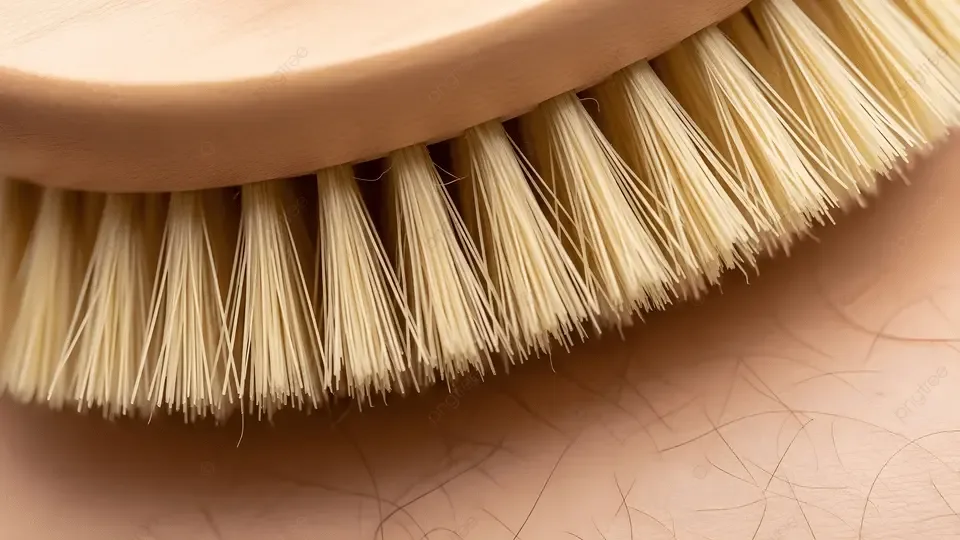
Knowing how to select a soft brush tool for delicate surfaces starts with identifying the substrate, not browsing aisles. Most damage happens because users pick a generic "soft" brush that is actually too abrasive for matte paints or antique varnishes. You need a specific match between bristle material and surface hardness.
We’ve analyzed manufacturer specs and conservation guidelines as of 2026 to clarify this often-overlooked step. The right tool lifts dust without scratching, while the wrong one creates permanent micro-abrasions. Let’s walk through the decision process so you can protect your valuables effectively.
Quick Answer
To select a soft brush tool for delicate surfaces, first check the surface hardness. Use natural goat hair for ultra-fragile items like camera sensors. Choose synthetic microfiber for automotive clear coats.
Avoid stiff boar bristles on painted wood. Always test on an inconspicuous area first. Match bristle tip shape to the debris size.
Start With the Surface, Not the Brush
Most people shop backwards. They look at pretty handles or brand names before considering what they’re cleaning. This leads to immediate regret when swirl marks appear.
Your starting point must always be the object itself.
Identify the finish type. Is it raw wood, sealed stone, painted metal, or optical glass? Each reacts differently to friction.
A brush safe for granite might ruin a matte car wrap.
Check the surface hardness using the Mohs scale if possible. Softer materials require gentler filaments. Harder stones tolerate slightly denser bristles.
If you don’t know the hardness, assume it’s soft until proven otherwise.
Look for existing wear. Old finishes are more brittle than new ones. Antique furniture has patina that acts like a protective layer but scratches easily.
Modern electronics have oleophobic coatings that degrade with rough contact.
Define the debris. Are you removing loose dust, sticky residue, or embedded grit? Loose dust needs static-free lifting.
Sticky residue requires solvent compatibility. Embedded grit demands careful agitation without grinding particles into the surface.
This initial assessment dictates everything else. Skip it, and you’re guessing. Guessing costs money in restoration fees.
Take five minutes to inspect your target area closely under good light. Note any cracks, chips, or uneven textures. These features catch bristles and cause snags.
A smooth surface allows uniform glide. A textured one needs flexible tips.
The Material Match: Natural Hair vs. Synthetic Microfiber
Once you know the surface, choose the filament material. This is the biggest variable in preventing damage. We generally split options into two camps: natural animal hair and engineered synthetics.
Natural hair brushes, particularly those made from goat or sable, offer superior softness. The fibers taper naturally to a fine point. This structure holds less friction against sensitive substrates.
However, they absorb moisture and oils quickly. You cannot use them on wet surfaces or greasy spots. They also shed more initially.
Synthetic microfibers provide consistency and durability. Manufacturers engineer these filaments to specific diameters, often under 10 microns. They resist water and solvents better than natural hair.
Many include anti-static treatments crucial for electronics. But quality varies wildly. Cheap plastics feel scratchy despite marketing claims.
| Feature | Natural Hair (Goat/Sable) | Synthetic Microfiber |
|---|---|---|
| Best For | Optical lenses, antiques, dry dust | Cars, screens, damp cleaning |
| Moisture Resistance | Low (absorbs water) | High (repels liquids) |
| Static Control | Moderate (needs grounding) | Excellent (often treated) |
| Lifespan | Shorter (wear/shedding) | Longer (resilient) |
| Cost | Higher ($20+) | Lower ($5-$15) |
For museum-grade artifacts, conservationists prefer natural hair. The American Institute for Conservation notes that untreated animal fibers pose minimal risk to historic pigments. Synthetics can sometimes leave microscopic plastic residues.
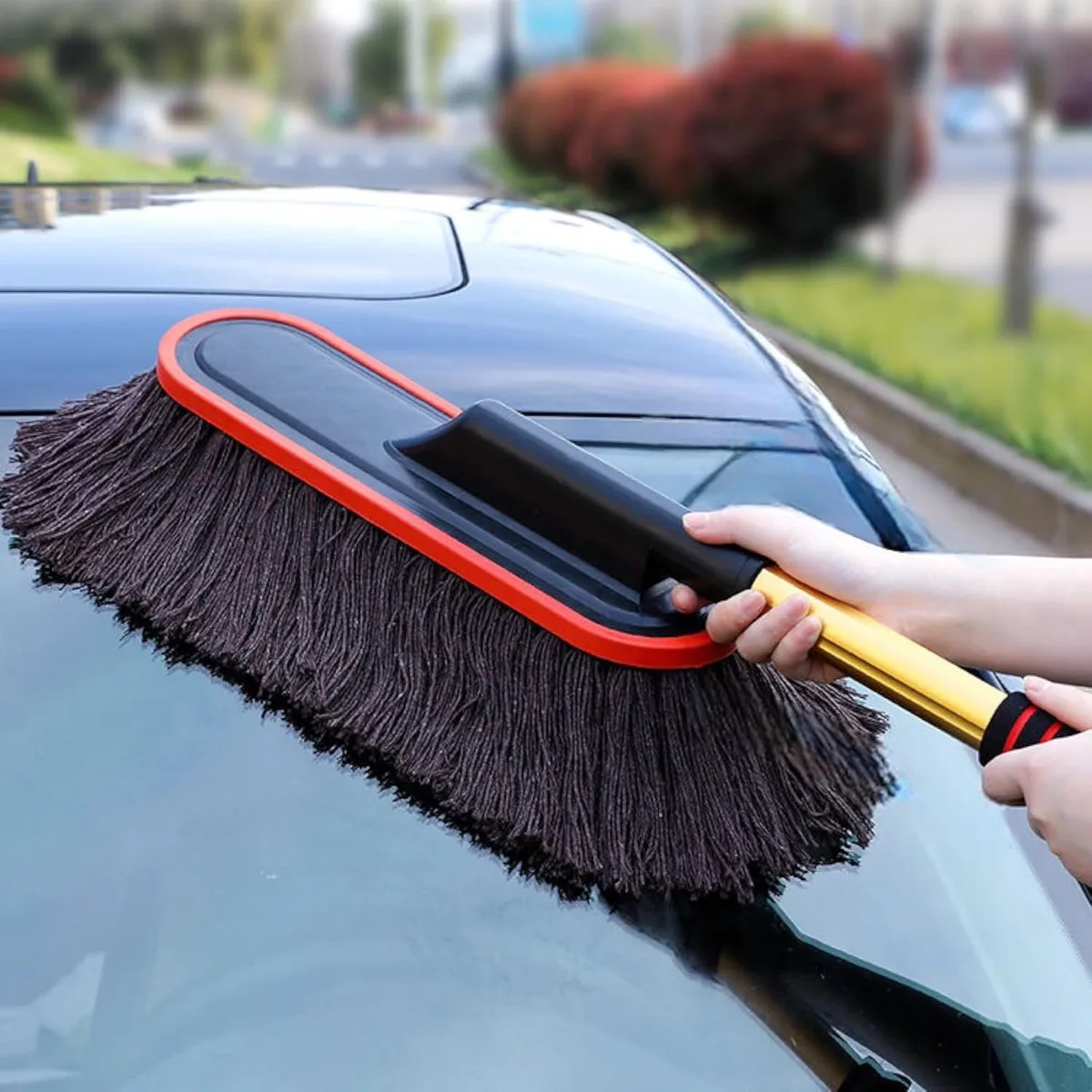
For modern cars, go synthetic. Automotive clear coats are hard but thin. Microfiber lifts dirt without dragging it across the paint.
Look for labels specifying "paint-safe" or "detailing grade." General craft brushes often lack this precision.
Consider hybrid options. Some premium brands blend nylon cores with soft outer sheaths. These offer the strength of synthetics with the touch of naturals.
They work well for mixed environments like home offices with both monitors and wooden desks.
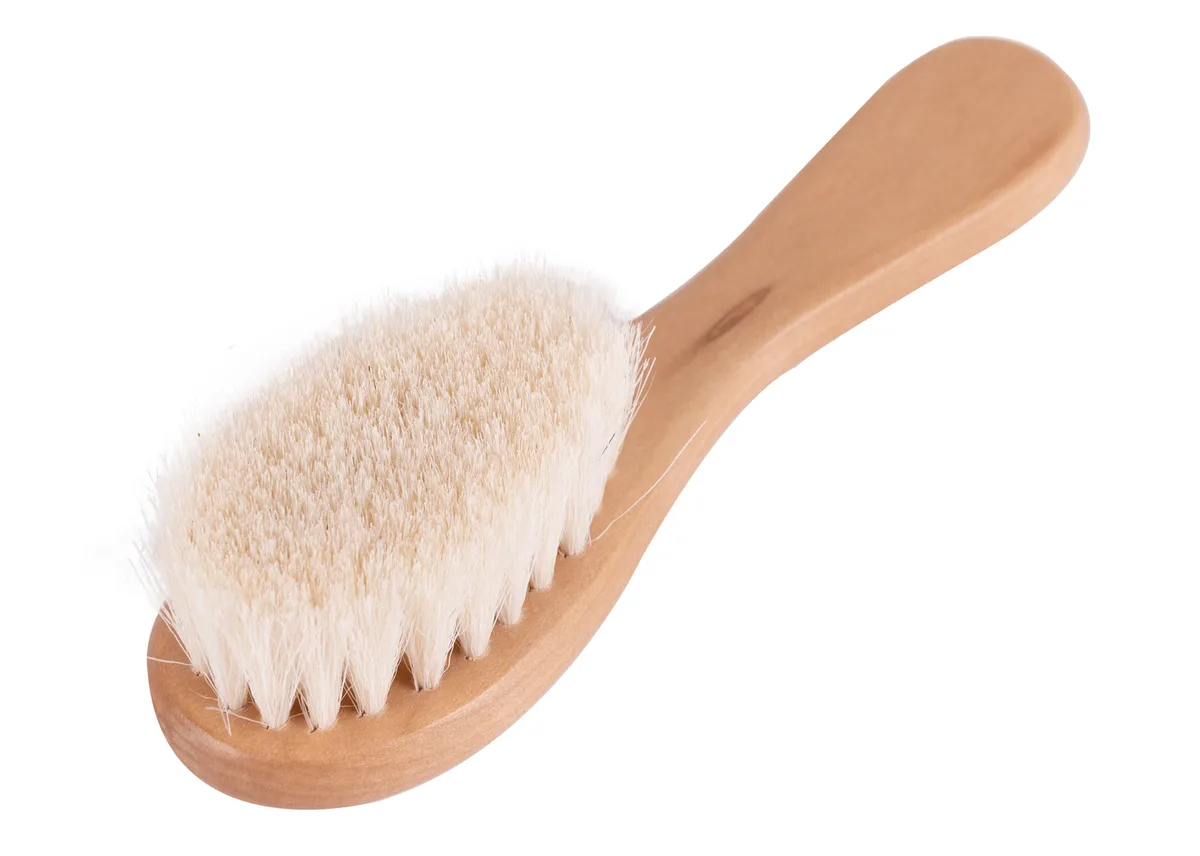
Reading the Specs: Bristle Density and Tip Shape
Material isn't enough. You must examine the physical construction of the brush head. Two key specs determine safety: density and tip geometry.
Density refers to how tightly packed the bristles are. High-density brushes hold more dirt away from the handle. But they can feel stiffer.
Low-density brushes flex easier but trap less debris. For delicate surfaces, moderate density works best. Too tight causes drag.
Too loose lets grit fall back onto the finish.
Tip shape matters even more. Blunt-cut bristles end flat. They distribute pressure evenly but can snag on tiny imperfections.
Tapered bristles come to a fine point. They slip between grains and lift dust efficiently. Tapered tips are safer for porous surfaces like unsealed wood or fabric.
Check the ferrule, the metal band holding bristles. Seamless aluminum ferrules prevent rust stains. Plastic ferrules may crack over time, releasing sharp edges.
Inspect for glue overflow. Excess adhesive creates hard lumps that scratch instantly.
Filament diameter is another hidden spec. Measured in microns, smaller numbers mean softer touch. Optics-grade brushes often use sub-5-micron fibers.
Standard household brushes rarely specify this. Assume unknown diameters are coarser.
Static dissipation is critical for electronics. Carbon-infused bristles ground charge safely. Pure nylon generates static, attracting more dust after cleaning.
If your goal is sensor maintenance, verify ESD-safe certification.

The Decision Workflow: Matching Tool to Task
Now we combine surface, material, and specs into a actionable plan. Follow this logic chain before purchasing or using any brush.
Step 1: Identify the surface vulnerability. Is it coated, uncoated, metallic, or organic? Coated surfaces (paint, lacquer) fear abrasion.
Uncoated woods fear moisture. Metals fear corrosion from dirty brushes. Organic fabrics fear pulling.
Step 2: Determine the cleaning mode. Dry dusting requires static control and tapered tips. Wet cleaning demands synthetic, water-resistant fibers.
Solvent-based tasks need chemically inert materials like polyester.
Step 3: Select the material class.
- If dry and ultra-delicate: Choose natural goat hair.
- If wet or chemical-heavy: Choose synthetic microfiber.
- If electronic/static-prone: Choose carbon-fiber infused synthetics.
Step 4: Verify tip geometry.
- Smooth surfaces: Blunt or rounded tips suffice.
- Textured/porous surfaces: Tapered tips essential.
Step 5: Check access constraints. Large flat areas allow wide brushes. Tight crevices (like keyboard gaps or vent slats) need narrow, pointed heads.
Miniature lens pens work for cameras. Detailing wands suit car interiors.
Example scenario: Cleaning a vintage leather sofa. Leather is organic and prone to cracking. It needs dry dusting.
Use a low-density natural hair brush with tapered tips. Avoid synthetics which generate heat and static. Test on a hidden cushion seam first.
Another example: Dusting a DSLR camera sensor. Sensors are glass-coated silicon. Extremely fragile.
Must be dry. Requires maximum static control. Use an ESD-rated synthetic blower-combo tool or pure carbon fiber brush.
Never touch the sensor directly with bristles; use air first. Only brush if necessary, using gentle sweeping motions.
Critical Mistakes That Ruin Delicate Finishes
Even with the right tool, user error destroys surfaces. Here are the most common pitfalls we see in repair shops and restoration forums.
Using a dirty brush. Grit trapped in previous sessions becomes sandpaper. Always clean your brush after every use.
Wash synthetics with mild soap. Shake out natural hairs vigorously. Never reuse a brush that touched abrasive compounds.
Applying excessive pressure. Soft brushes tempt users to press harder to "feel" contact. Stop.
Let the weight of the hand do the work. Pressing forces bristles to bend and snap back, creating micro-scratches. Light, floating strokes preserve integrity.
Ignoring directionality. Wood grain and brushed metal have orientation. Brushing against the grain digs bristles into valleys.
Always sweep parallel to the texture. For circular objects like plates, move radially outward, not in circles which create swirl marks.
Mixing tools indiscriminately. Using a car detailing brush on artwork. Car brushes contain wax residues.
Wax transfers to canvas or paper, causing yellowing. Dedicate specific brushes to specific categories. Label them if needed.
Skipping the spot test. Assumptions kill heirlooms. Always try the brush on an invisible area.
Watch for color change, fuzz, or shine alteration. Wait ten minutes to ensure no delayed reaction occurs.
Over-wetting natural hair. Goat hair swells when wet. Swollen fibers become rigid and scratchy.
Never soak natural brushes unless specified by the manufacturer. Keep them bone-dry for optimal performance.
Underestimating environmental factors. Humidity affects static levels. In dry winter air, static buildup increases.
Ground yourself before touching electronics. Touch a metal table leg to discharge energy. This simple step prevents zapping sensitive components during cleaning.
Care and Storage for Longevity
Proper maintenance extends the life of your soft brush tools significantly. Neglect leads to clogged fibers and reduced cleaning efficiency. You must treat these instruments with the same care as the surfaces they clean.
Wash synthetic microfiber brushes after every few uses. Use lukewarm water and a drop of mild dish soap. Gently agitate the bristles in your palm.
Rinse thoroughly until no suds remain. Squeeze out excess water carefully. Never wring or twist the handle, as this loosens the ferrule.
Lay the brush flat on a towel to air dry completely before storing. Moisture trapped in the knot causes mold and odor.
Natural hair brushes require different handling. Do not submerge them in water unless absolutely necessary. Instead, shake out loose debris vigorously over a trash bin.
Use a piece of adhesive tape to lift stubborn particles from the tips. If washing is required, use cold water only. Hot water damages the protein structure of animal hair.
Condition the bristles occasionally with a tiny amount of lanolin or specialized brush soap. This keeps them supple and prevents brittleness.
Store all brushes upright or hanging with bristles facing down. Gravity helps maintain their shape. Avoid tossing them into drawers where keys or coins can crush the tips.
Consider using dedicated organizer slots or mesh bags. Keep them away from direct sunlight, which fades natural fibers and degrades synthetic polymers. Dust covers are ideal for long-term storage in humid climates.
Inspect the ferrule regularly for signs of rust or glue failure. A loose head renders the tool useless and potentially dangerous to delicate finishes. Replace the brush immediately if you notice shedding beyond normal break-in periods.
Aggregate reviews indicate that high-quality synthetics last 12 to 18 months with weekly use. Natural hair variants may last longer if kept strictly dry and conditioned.
Frequently Asked Questions
Can I use a makeup brush for cleaning electronics?
Yes, but only if it is brand new and unused. Makeup brushes often carry oils, powders, and bacteria from skin contact. These residues transfer to screens and sensors, causing smudges or corrosion.
Always dedicate specific tools for electronic maintenance. Look for ESD-safe labeling to prevent static discharge damage to internal components. Clean the brush itself before first use on devices.
How do I remove embedded grit from brush bristles?
Soak synthetic brushes in warm soapy water for ten minutes. Agitate gently to release trapped particles. Rinse under running water until clear.
For natural hair, avoid soaking. Use compressed air to blow out debris from the base outward. Alternatively, tap the handle firmly against a hard surface.
Repeat until no grit falls out. Never pull fibers manually, as this ruins density and alignment.
Are bamboo handles better than plastic for soft brushes?
Bamboo offers sustainability benefits and a warmer grip feel. However, it absorbs moisture more readily than sealed plastics. In humid environments, bamboo handles may warp or develop mold spots.
Plastic handles resist water and chemicals better. Choose based on your storage conditions. If you keep brushes in a dry cabinet, bamboo is excellent.
For bathroom or kitchen use, opt for waterproof synthetic handles.
What is the difference between a lens pen and a soft brush?
A lens pen combines a retractable brush with a microfiber polishing tip. It serves dual purposes: dust removal and fingerprint wiping. Standalone soft brushes excel only at lifting particulate matter without contact.
Use the pen’s brush side for initial dust clearance. Reserve the pad for final smudge removal. Never use the pad on gritty surfaces, as it drags abrasives across glass.
The brush component alone lacks the polishing function.
How often should I replace my detailing brush?
Replace synthetic brushes when bristles begin to fray or lose shape. This typically occurs after six to twelve months of regular automotive use. Inspect the tip uniformity monthly.
Uneven wear reduces effectiveness and increases scratch risk. Natural hair brushes need replacement when shedding becomes excessive or fibers stiffen. Generally, annual replacement ensures optimal performance.
Keep track of usage frequency to anticipate lifespan accurately.

Similar Posts