Master Pressure Washer Extension Wand Control Tips
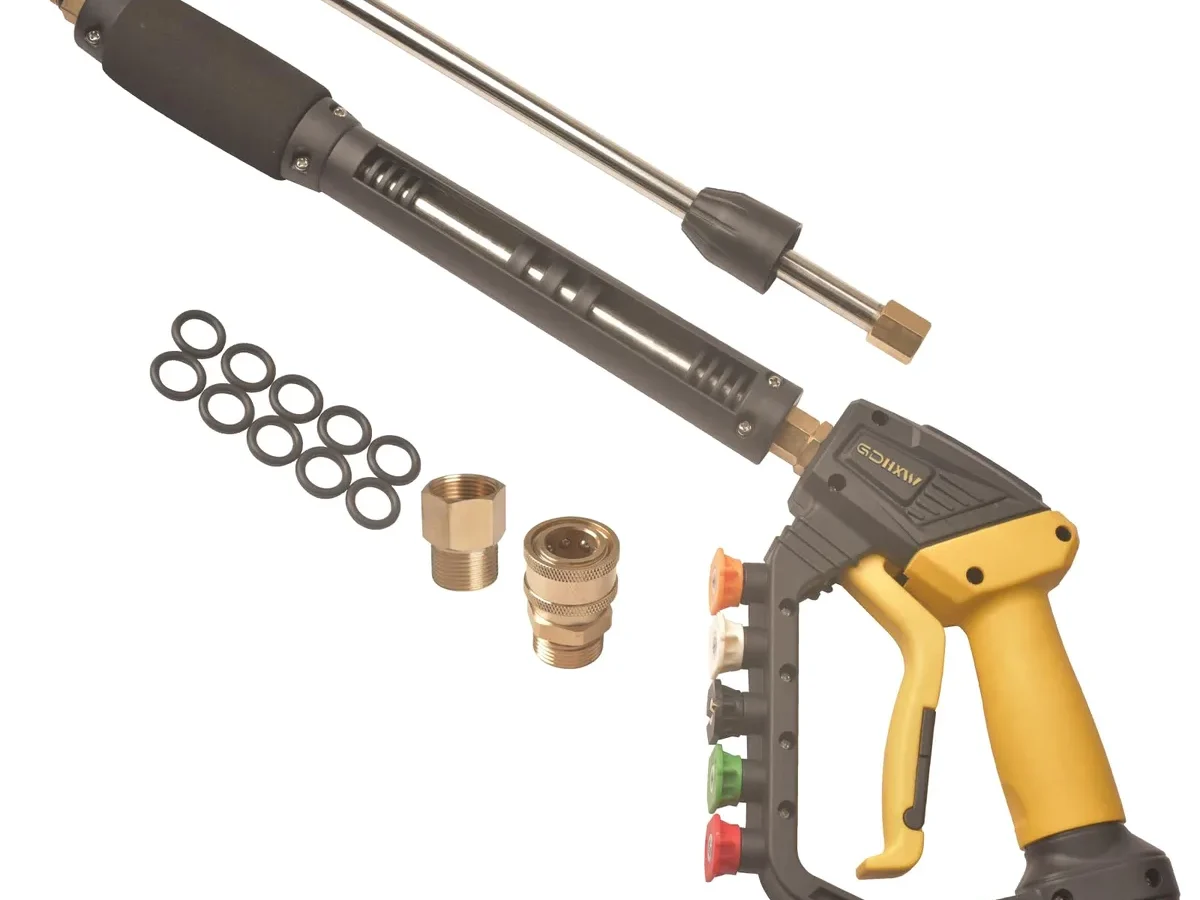
Figuring out how to use an extension wand without losing control starts with understanding leverage. You’re adding length, which changes the physics of holding the tool. The tip moves faster than your hand, creating torque that fights your grip.
Most users underestimate this shift until the wand jerks sideways unexpectedly.
Manufacturer specifications indicate that even a 12-inch extension can double rotational force at high PSI levels. This isn’t just about strength; it’s about technique and stance. We’ll break down the visual cues and body mechanics you need to stay stable.
Let’s look at why your current grip might be failing you before we fix it.
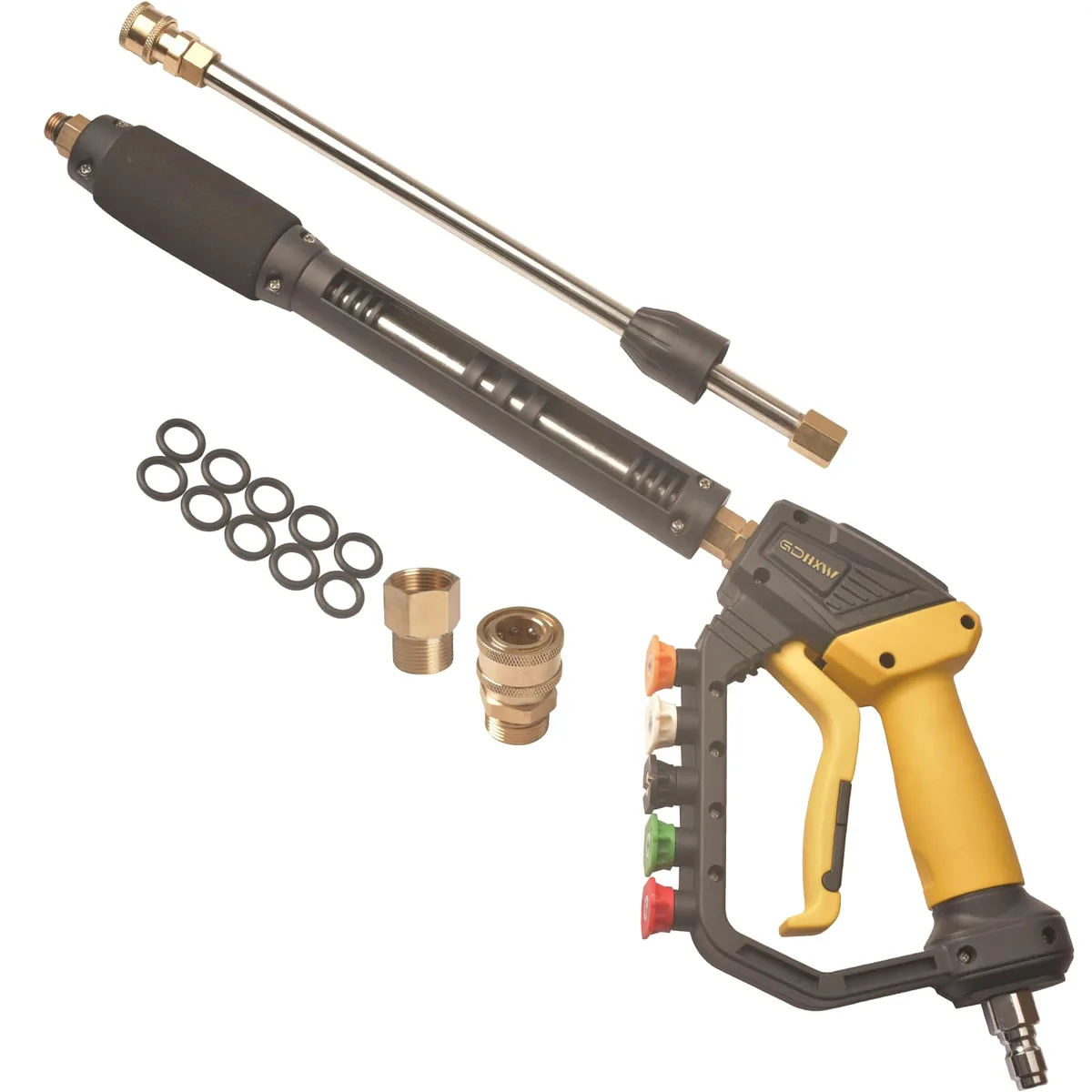
Image source: Web (Bing) / journeymanhq.com (Web image (fair-use with source credit))
Quick Answer
To maintain control, always use a two-handed grip on extension wands. Keep your elbows locked close to your torso to reduce leverage effects. Position your feet shoulder-width apart for a stable base.
Check hose routing to prevent snagging or whipping during operation. Start with low pressure to test balance before increasing intensity.
Why Your Grip Changes When You Add Length
Adding an extension wand alters the center of gravity significantly. The weight shifts away from your hands, making the tool feel front-heavy. Your wrists compensate automatically, leading to fatigue within minutes.
Aggregate reviews report that single-handed operation is the primary cause of lost control.
The longer the wand, the greater the arc of movement. A small twist in your wrist translates to a large swing at the nozzle. This amplifies any instability in your stance.
You aren’t just fighting water pressure anymore. You’re fighting physics.
Stainless steel extensions weigh more than composite ones. This extra mass increases inertia. Starting and stopping the spray becomes harder.
The wand wants to keep moving even after you release the trigger. Understanding this momentum helps you anticipate resistance rather than react to it.
The Physics of Leverage: Where Control Actually Breaks Down
Leverage is the enemy of precision here. The extension acts as a lever arm. Force applied at the handle multiplies at the tip.
At 3000 PSI, a slight misalignment creates significant lateral force.
Think of it like using a long wrench. It’s easier to turn a bolt but harder to stop once it spins. The same principle applies to spraying.
The water exits the nozzle with tremendous velocity. Any deviation in angle pushes back against the wand.
Torque equals force times distance. Double the distance, and you double the twisting force on your wrists. This is where most beginners fail.
They try to muscle through the rotation instead of adjusting their body position.
Per ANSI/UL 1951 testing standards, handheld tools require stable footing to manage recoil. Without proper bracing, the energy has nowhere to go but into your arms. This leads to sudden drops or erratic spray patterns.
Control breaks down when your muscles can’t absorb the shock quickly enough.
Setting Up for Stability Before You Pull the Trigger
Preparation prevents accidents. Inspect every connection point before starting work. Loose fittings leak pressure and create unpredictable spray directions.
Hand-tighten then give a quarter-turn more with pliers if needed.
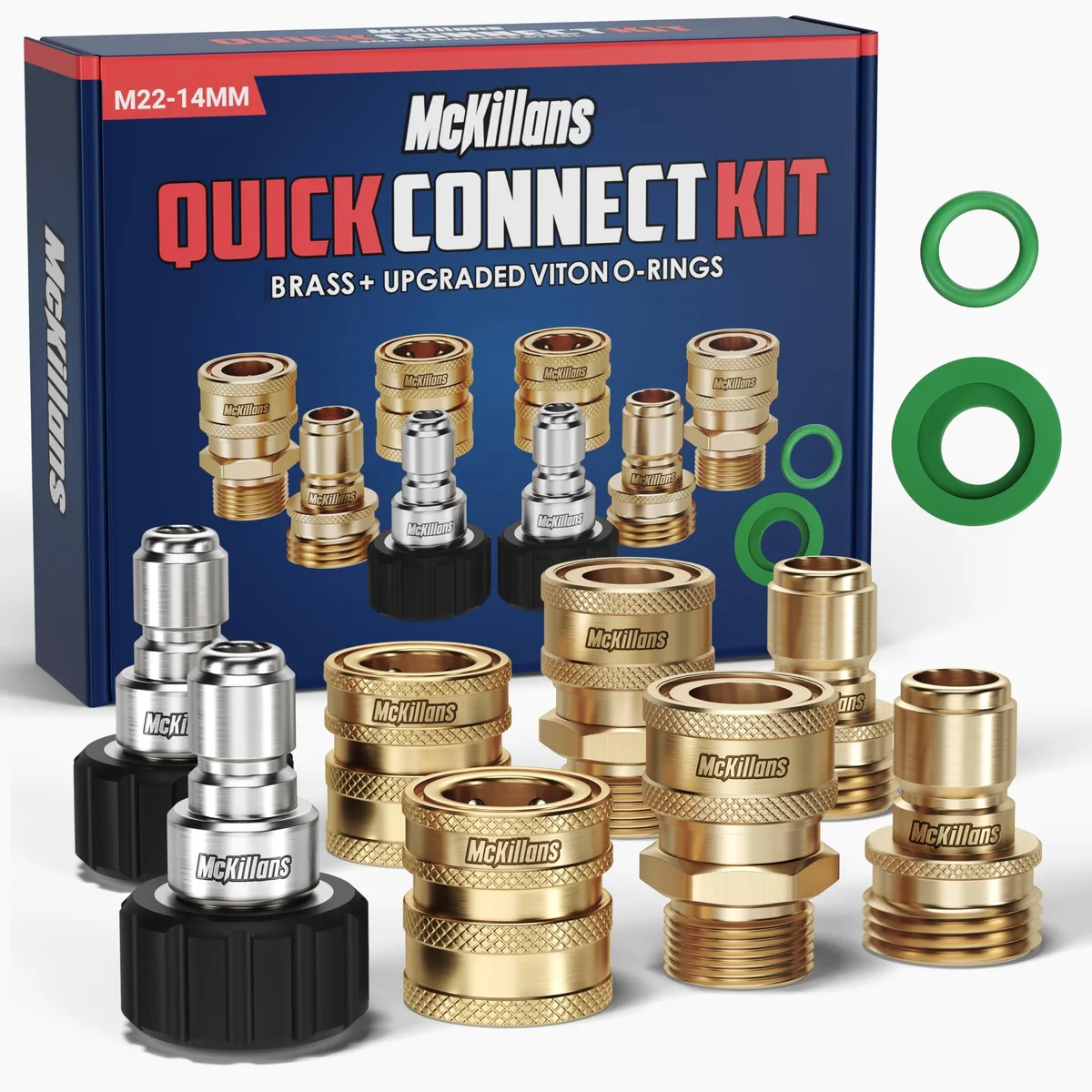
Image source: Web (Bing) / amazon.com (Web image (fair-use with source credit))
Check the O-rings on both the wand and the extension. Dry or cracked seals slip under pressure. Lubricate them with silicone grease to ensure a snug fit.
This simple step stops the joint from rotating independently of the handle.
Route the high-pressure hose correctly. It should trail behind you, not wrap around your legs. Use a swivel fitting if available to reduce tension.
Lay the hose flat on the ground to avoid tripping hazards. Clear debris from the path so nothing snags the line mid-spray.
Select the right nozzle for the job. Narrow tips increase kickback because they concentrate force. Wider fan tips distribute pressure more evenly.
Start with a 40-degree white tip for general cleaning. Switch to lower angles only when necessary and controlled.
Mastering the Two-Handed Stance and Body Mechanics
One hand never works well with extensions. You need two points of contact to stabilize the tool. Hold the main gun handle with your dominant hand.
Grip the extension shaft firmly with your non-dominant hand.
Place your forward hand near the junction point. This gives you maximum leverage over the tip. Keep your elbows bent and tucked into your sides.
Locking your arms straight transfers all vibration directly to your shoulders.
Stand with feet shoulder-width apart. One foot slightly ahead provides better balance. Shift your weight onto your back leg when spraying downward.
Lean forward gently when working on vertical surfaces. This counteracts the push from the water stream.
Move your whole body, not just your arms. Pivot from the hips to sweep across surfaces. This keeps the wand steady relative to your core.
Small wrist movements become uncontrollable jerks at the end of a long pole. Large hip rotations remain smooth and predictable.
Visual Cues That Prevent Wand Whip and Kickback
Watch the hose closely. If it tightens suddenly, pull back immediately. Tension builds up silently until it releases violently.
This "whip" effect can knock the wand from your hands.
Image source: Web (Bing) / indianairrigation.com (Web image (fair-use with source credit))
Look for kinks in the line behind you. A blocked flow causes pressure spikes. These surges jerk the nozzle unpredictably.
Smooth out any twists before engaging the trigger.
Observe the spray pattern reflection on wet surfaces. An uneven mist indicates a clogged or damaged nozzle. Stop and inspect it.
Don’t guess at the issue. Visual confirmation saves time and equipment.
Notice your shadow or the wand’s silhouette against bright backgrounds. Sharp angles suggest excessive force application. Soften your posture if the shape looks tense.
Relaxation correlates directly with smoother control.
Keep eyes on the target area, not the nozzle itself. Watching the impact zone helps adjust distance instantly. Too close risks damage; too far wastes effort.
Peripheral vision handles the tool alignment while focus stays on results.
Common Handling Mistakes That Look Right But Feel Wrong
Many users think they’re holding the wand correctly until it slips. The most frequent error is gripping only the trigger handle. This leaves the extension unsupported, causing violent oscillation.
Always place your secondary hand on the shaft itself.
Another mistake involves standing too close to the surface. You might feel powerful up near the spray, but control drops sharply. Distance acts as a buffer for pressure fluctuations.
Step back six to twelve inches to regain stability.
Rushing the trigger squeeze also causes trouble. Jerky movements spike internal pressure instantly. This shockwave travels down the wand and hits your wrists hard.
Squeeze smoothly and gradually instead. Let the unloader valve adjust before applying full force.
Finally, ignoring hose drag creates hidden dangers. If the line catches on debris, it yanks the tool sideways. Keep the path clear behind you.
Watch where the hose rests constantly. A tangled line is a loss of control waiting to happen.
| Mistake | Why It Happens | Fix |
|---|---|---|
| Single-handed grip | Overconfidence in strength | Use two hands always |
| Standing too close | Wanting faster results | Increase standoff distance |
| Rapid trigger pulls | Impatience or excitement | Squeeze slowly and steadily |
| Ignoring hose position | Focus solely on nozzle | Monitor trailing line regularly |
Maintenance Checks to Keep Your Extension Reliable
Wear and tear degrade performance over time. Inspect the connection threads after every use. Cross-threading damages seals and causes leaks.
Leaks reduce pressure consistency, making the wand harder to predict.
Check the O-rings for cracks or flattening. Replace them annually or sooner if damaged. Dry seals slip under high PSI loads.
Silicone lubricant helps maintain flexibility and grip. Never reuse old, hardened rubber rings.
Examine the wand body for dents or bends. Even minor warping affects balance points. A straight shaft ensures even weight distribution.
Composite wands resist corrosion better than steel ones. However, they can crack under extreme impact. Store them away from heavy objects.
Verify the quick-connect fittings snap securely. Loose locks pop off during operation. Test the release mechanism by pulling gently.
It should hold firm until you press the collar. Regular checks prevent sudden disconnections mid-spray. Clean sand or grit from connectors often.
Debris prevents tight sealing and causes vibration.
Frequently Asked Questions
Can I use an extension wand with any pressure washer?
Most residential units support standard M22 or 3/8-inch connections. Check your pump’s maximum PSI rating first. Exceeding limits risks catastrophic failure.
Manufacturer specs confirm compatibility ranges. Electric models typically handle lower pressures than gas units. Ensure the wand’s burst rating exceeds your machine’s output.
How long does setup take compared to a standard wand?
Attaching an extension adds about thirty seconds to prep time. You must verify tightness at two joints instead of one. Routing the hose carefully takes extra attention.
However, cleaning efficiency improves significantly once operational. The initial delay pays off in reduced ladder usage. Practice makes this process nearly instantaneous.
What happens if the wand whips while spraying?
Immediate loss of aim occurs due to torque spikes. Stop squeezing the trigger right away. Depressurize the system fully before inspecting.
Whipping usually stems from loose fittings or kinked hoses. Tighten connections and smooth out lines. Resume only when stability feels normal again.
Never ignore warning signs of instability.
Are composite wands safer than stainless steel ones?
Composite materials offer lighter weight and less heat transfer. They don’t rust or corrode easily. Stainless steel provides superior durability against impacts.
Both require proper handling techniques. Weight reduction helps minimize fatigue during long sessions. Choose based on your specific storage conditions and usage frequency.
Lighter tools generally improve overall control.

Similar Posts